New Arcade Games - Page 39

Need for Speed GT
2003
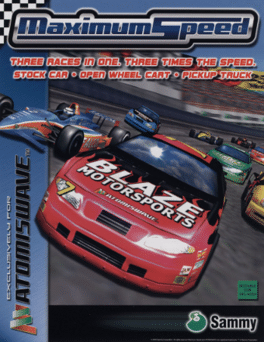
Maximum Speed
2003
Taiko no Tatsujin 5
2003
Taiko no Tatsujin 5
2003
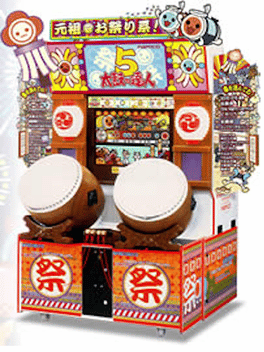
A sequel to Taiko no Tatsujin 4, featuring 34 new songs, selecting songs before the difficulty mode, but can't choose the Donderful difficulty in this mode; The Futsuu difficulty added for all Namco Originals, and the ability to choose the same song more than once per play.Quiz Magic Academy
2003
Demolish Fist
2003
Demolish Fist
2003
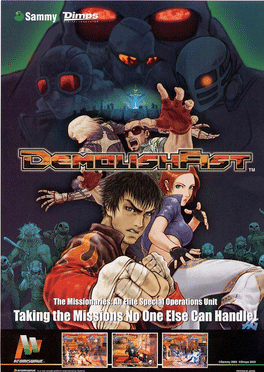
Demolish Fist is a side scrolling beat 'em up where the player controls one of four characters, Enzo, Leoneer, Vanessa or Undead as you battle your way through various stages. There are many items, which are available to use as a weapons against your enemies. Each player has their own assortment of moves and specials that they can unleash at will. Also all four of these characters have the ability to use the awesome 'Vertigo' technique! Demolish Fist is a well put together fighting game that has many things to offer the beat 'em up world.The Gladiator: Road of the Sword
2003
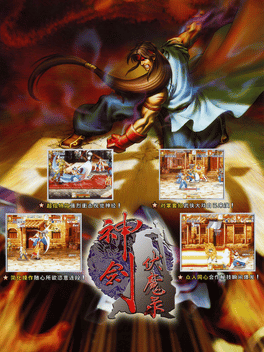
The Gladiator is an Action game, developed and published by IGS (Taiwan), which was released in 2003.Trophy Hunting
2003
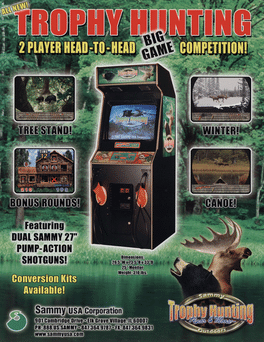
Trophy Hunting
2003
A shooting game where players can select a weapon and then select to go hunting for bears or moose.F-Zero AX
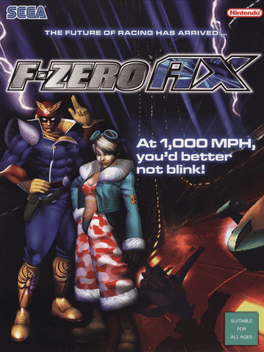
2003
Super Bubble 2003
2003
Super Bubble 2003
2003
An advanced version of a classic type of game. Moni & Chris are on a quest to rid there island of viscous invading monsters.Virtua Cop 3
2003
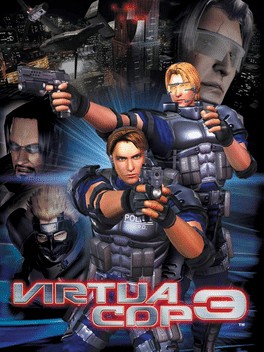
Virtua Cop 3
2003
Virtua Cop 3 is the third installment in the series. It also features a bullet time mechanism which players to slow down time by stepping on a pedal.Ketsui: Kizuna Jigoku-tachi
2003
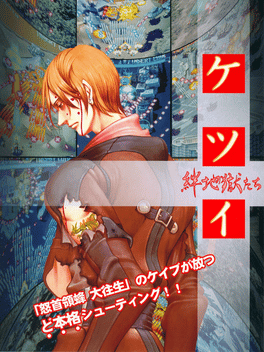
Ketsui: Kizuna Jigoku-tachi is a vertical bullet hell shoot 'em up developed by Cave and released in 2003.Mushiking: King of the Beetles
2003
An extremely popular Japanese arcade game where the player is awarded with collectible cards that are used in play--holds the record for most official tournaments for a video game.Gals Panic S3
2003
Silent Scope: Fortune Hunter
2002
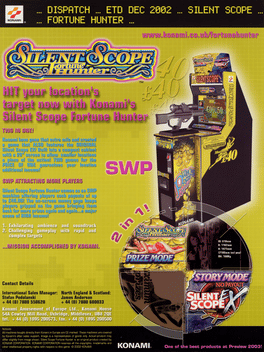
Silent Scope: Fortune Hunter is a rail shooter developed and published by Konami. It is the fifth game in the Silent Scope series, and was released in the year 2002. The cabinet, bundled with Silent Scope EX, also features a Prize Mode where the player can earn real money payouts for performing well in-game.Shootout Pool
2002
Shootout Pool
2002
A 3-D pool game where players use a real cue stick to hit on-screen cueball to effect the on-screen billiard balls. Shootout Pool was produced by Sega in 2002. Sega released 593 machines in our database under this trade name, starting in 1960. Sega was based in United States. Other machines made by Sega during the time period Shootout Pool was produced include: Super Major League 2001, Power Smash 2, InuNoOsanpo, Crackin' DJ Part 2, Cyber Troopers Virtual On Force, House of The Dead 3, Virtua Striker 3, Beach Spikers, Virtua Striker 2002, and Maze Of The Kings, TheCrazy War
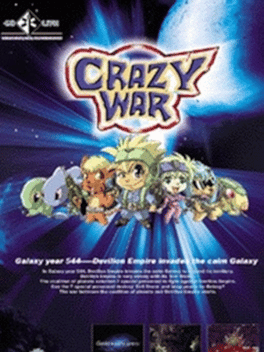
2002
Cleopatra Fortune Plus
2002
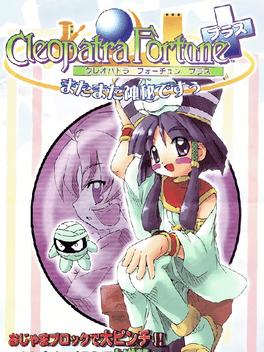
Cleopatra Fortune Plus is an Egyptian themed falling block puzzle game following Cleopatra Fortune. Expanding on the original, blocks can be rotated counter-clockwise, breaking colored gems builds up items with powerful effects when cleared, and a rival that can drop larger blocks appears. In addition, a story mode is present unlike the original.Initial D Arcade Stage 2
2002
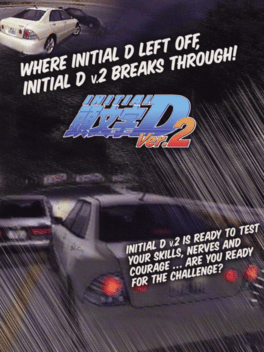
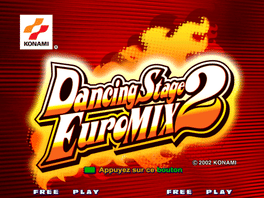
Initial D Arcade Stage Ver. 2 (known simply as Initial D Ver. 2 in its export release) is a 2002 arcade racing game based on the Initial D series. It is the second game in the Initial D Arcade Stage series.Dancing Stage EuroMix 2
2002
Dancing Stage Euromix 2 is the 3rd Arcade release in the Dancing Stage series, a European version of the Dance Dance Revolution series of music video games. Euromix 2 is a sequel to Dancing Stage EuroMix. It was released in the arcades by Konami in 2002. Euromix 2's engine is based on the Japanese arcade release DDRMAX2, and also uses a modified version of its interface. The game contains 68 songs, 12 of them are carried over from Dancing Stage EuroMix. This title uses the DDRMax2 Dance Dance Revolution 7thMix engine. EuroMix 2 requires a PC Card and omits the Internet Ranking feature. While it has no direct home port per se, there is another Dancing Stage game using the DDRMAX2 engine, Dancing Stage MegaMix.