New Arcade Games - Page 84

Super Pinball Action
1991
Super Pinball Action
1991
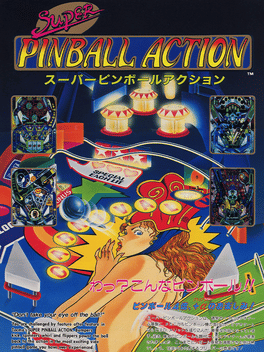
Super Pinball Action is the sequel to Pinball Action, this time featuring adult content. Choose between four different tables, where you attempt to take off the clothes of a women. The game can be configured to either show or hide the erotic pictures via a DIP switch setting.Escape Kids
1991
Escape Kids
1991
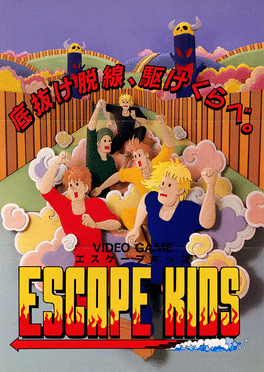
Escape Kids is a racing game on arcade platforms. It's wholesome design combined with its healthy fun of strenuous and gladiatorial exercise is a perfect blend in this classic game.Drift Out
1991
Waku-waku Sonic Patrol Car
1991
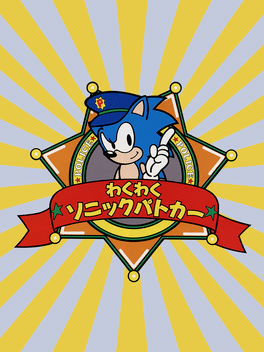
Waku Waku Sonic Patrol Car is a children ride released on December 1991 exclusively in Japan. The arcade ride is part of Sega's "Wakuwaku" line and features Sonic the Hedgehog playing the role of a police officer, patrolling the streets of a city and keeping it safe from Dr. Eggman. Both Japanese and English versions of the ride exists, though the English version was not exported to other countries and was likely used in areas with a large number of visiting English speaking tourists.Arlington Horse Racing
1991
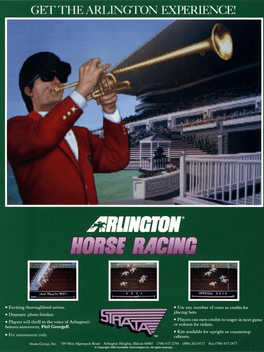
Arlington Horse Racing is a horse racing arcade game released by Strata / Incredible Technologies in 1990, based on the Arlington Park race track.Atomic Punk
1991
Atomic Punk
1991
star 7.5Atomic Punk (alternatively known as Dynablaster or Bomberman) is an arcade game featuring a single and multiplayer mode. In the year 2091, robot contests have gained popularity. Only the strongest robot can survive.64th Street: A Detective Story
1991
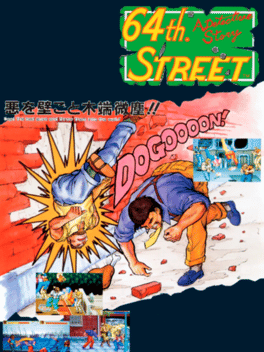
star 6.9Players One and Two start with the two selectable protagonists, Rick and Allen. Each private detective uses different fighting styles, attempt to solve cases by beating up each criminal they encounter. Lots of special items can be found by throwing enemies into the background and breaking things, typical of this popular genre in the 1990s arcades. Along the way they are harangued by all manner of thugs and toughs, whose costumes range from 1980s hip-hop wear to stereotypical pirates. The bosses are tough by way of strange special attacks.F1 Exhaust Note
1991
F1 Exhaust Note
1991
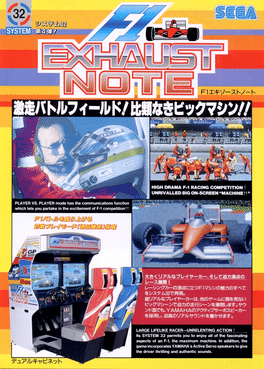
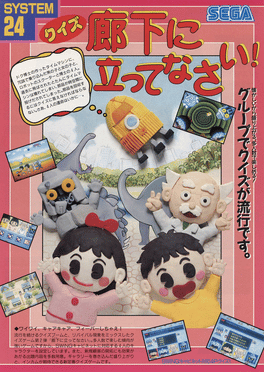
F1 Exhaust Note is a two-player arcade game modeled on Formula One racing game, released in 1991.Quiz Rouka ni Tatte Nasai!
1991
Quiz Rouka ni Tattenasai! is an arcade game revolving around solving quizzes.Bouncing Ball
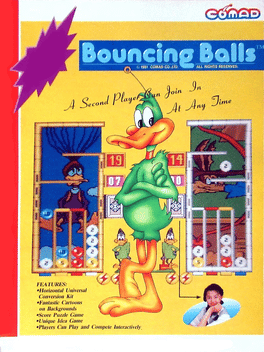
1991
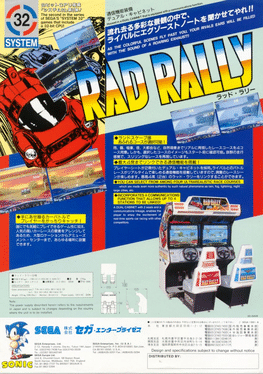
Rad Rally
1991
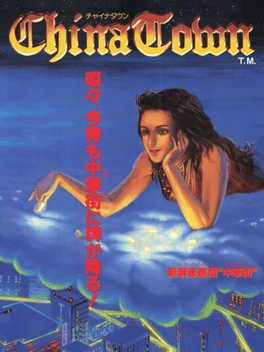
China Town
1991
China Town
1991
A Japan-exclusive falling-block tile-matching puzzle arcade game by Data East, where players form melds of mahjong tiles and attempt to form high-scoring mahjong hands.Sel Feena
1991
Sel Feena
1991
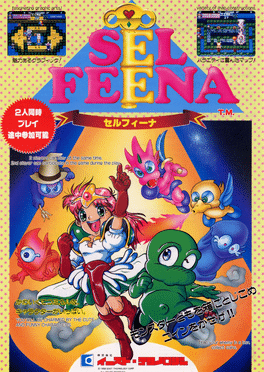
At a time when people were being terrorized by monsters, Selfeena, a little witch, wizard, and magic creature and her little dragon Rich Rich embarked on an adventure to reclaim the treasure stolen from the people by the monsters. Their weapon was the power to put the monsters in boxes. How much treasure can Selfeena recover?TumblePop
1991
TumblePop
1991
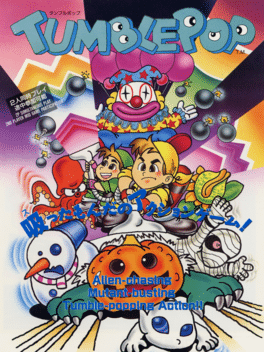
star 7.6Tumblepop is a 1991 platform arcade video game developed by Data East first published in Japan by Namco, then in North America by Leprechaun Inc. and later in Europe by Mitchell Corporation. Starring two ghosthunters, players are tasked with travelling across different countries, capturing enemies and throwing them as bouncing ball, jumping on and off platforms to navigate level obstacles while dodging and defeating monsters in order to save the world.Teenage Mutant Ninja Turtles: Turtles in Time
1991
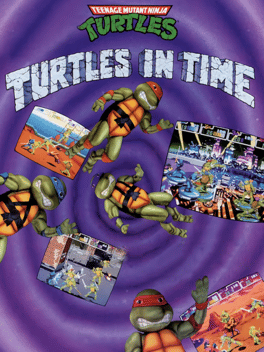
star 7.6The original arcade version of Teenage Mutant Ninja Turtles: Turtles in Time, which is shorter than the latter console version.Rail Chase
1991
Rail Chase
1991
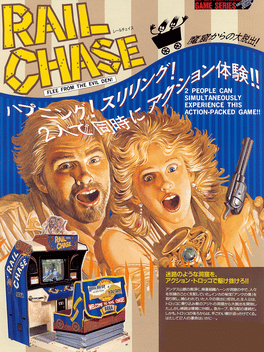
Rail Chase is a Sega Y Board arcade light gun game developed by Sega AM3 and published by Sega. Released in Japan in September 1991, and in the United States later that year, the game came in both standard and DX cabinets (the latter seats players in the pneumatic "Magical Bench Seat", which tilts and rocks with the in-game action), and uses sprite scaling to simulate three-dimensional scenery. The game was followed by a sequel, Rail Chase 2, and a full-sized Sega theme park ride, Rail Chase: The Ride, both released in 1994.Block Block
1991
Block Block
1991
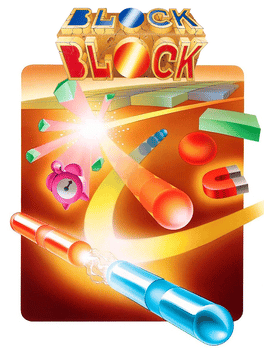
A ball travels across the screen, bouncing off the top and side walls of the screen. When a brick is hit, the ball bounces away and the brick is destroyed. The player loses a turn when the ball touches the bottom of the screen. To prevent this from happening, the player has a movable paddle to bounce the ball upward and back into play.Sunset Riders
1991
Sunset Riders
1991
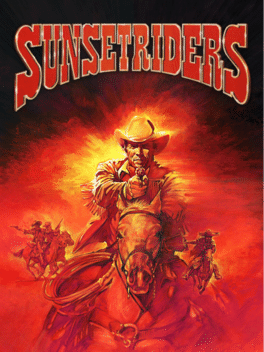
star 7.8Sunset Riders is a side-scrolling run and gun video game developed and released by Konami in 1991. It is set in the American Old West, where the players take control of bounty hunters who are seeking the rewards offered for various criminals. Each bad guy has a big reward on his head, and they're helped by hordes of bandits, gunslingers, and horse thieves, so pack loads of lead.The King of Dragons
1991
The King of Dragons
1991
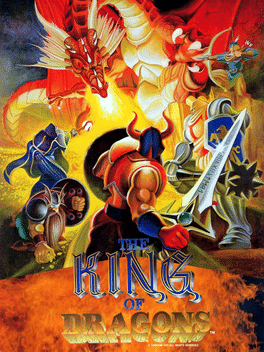
star 7.2The game has 16 levels, though many are quite short. Much like Capcom's Knights of the Round, King of Dragons features an role-playing video game-like level advancement system. Points scored for killing monsters and picking up gold count towards experience, and the character gains levels at regular intervals. With each level, the character's health bar increases, other attributes such as range improve, and the character also becomes invulnerable for a few seconds. Along the way, different weapon and armor upgrades for each character may also be picked up. King of Dragons features a simple control system that consists of a single attack button, and a jump button. By pressing both buttons, the character unleashes a magical attack that strikes all enemies in screen (its strength varies according to the character used) at the expense of losing energy. The fighter, cleric and dwarf can also use their shield to block certain attacks by tilting the joystick back right before the impact. This is one of the many Capcom ga