Most Popular Arcade Games - Page 91

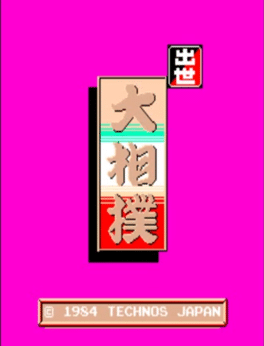
Shusse Ozumo
1984
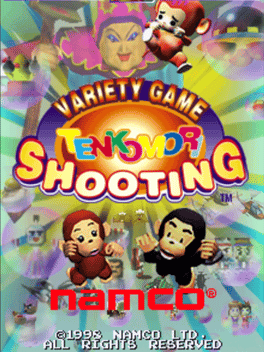
Tenkomori Shooting
1998
Tenkomori Shooting
1998
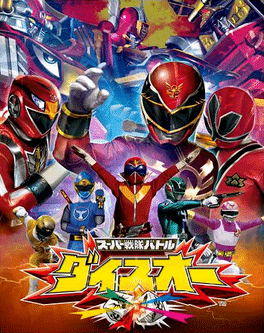
A minigame-centric arcade release from Namco, which focuses on many aspects of the vertically-scrolling shoot-em-up genre.Super Sentai Battle: Dice-O
2010
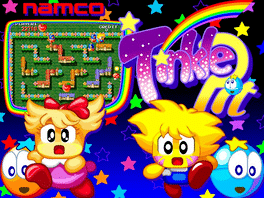
An arcade game that interfaces with a real-world collectable card game.Tinkle Pit
1994
Tinkle Pit
1994
As amusing to play as it is to say, Tinkle Pit is a maze arcade game featuring characters from multiple Namco franchises.Tail Gunner 2
1980
Tail Gunner 2
1980
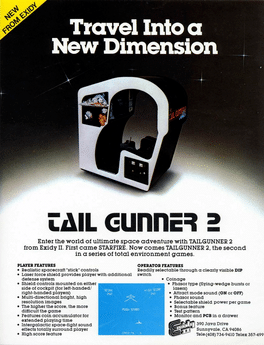
Tail Gunner 2 is the sequel to Cinematronic's Tail Gunner, produced after Exidy purchased the original developer Vectorbeam. It is essentially the same game as Tail Gunner, but produced in a deluxe sit-down cabinet.Donkey Kong Banana Kingdom
2006
Donkey Kong Banana Kingdom is a Japan-only Donkey Kong franchise game. It is a sequel to Donkey Kong Jungle Beat and Donkey Kong: Jungle Fever. It is a 6 player coin pusher medal machine manufactured by Capcom. It includes a number of mini games featuring Donkey Kong. Other than that, not much information about this game is known, and its relation to the Banana Kingdom is unknown. Donkey Kong: Banana Kingdom involves Sensei Kong and a few other Kongs that debuted in the previous games. An arcade game developed by Capcom in collaboration with Nintendo based on the Donkey Kong franchise, which was only ever released in Japan.Pokémon Mega Get!
2015
Mario Party: Fushigi no Challenge World
2016
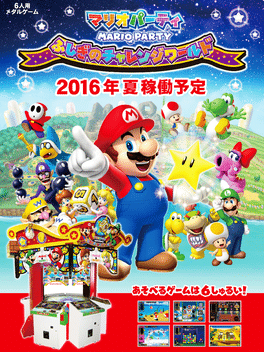
Mario Party: Fushigi no Challenge World is an arcade game based on Mario Party 9 that was developed by Capcom, and is the sixth Mario Party arcade game from the same developer. The main attraction of the machine is the virtual roulette board in the center. The game supports up to six players.Battle Tryst
1998
Battle Tryst
1998
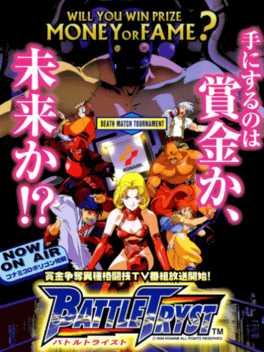
A 3D fighting game developed by Konami using the M2 arcade board, related to the canceled Panasonic M2 console.Attack of the Zolgear
1994
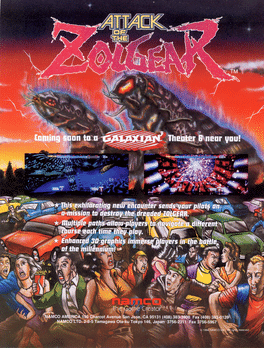
Attack of the Zolgear is an arcade game for one to six players released by Namco. It is a sequel to Galaxian3. This game used two LaserDisc players simultaneously for the outer space background, while computer generated graphics were overlaid on top. The environmental "theater" used for Galaxian 3 received this upgraded sequel in 1994.Cool Riders
1995
Cool Riders
1995
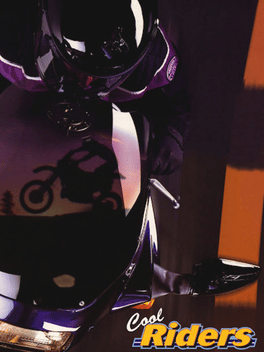
Cool Riders is the spiritual sequel to Sega's OutRunners. It has a similar premise to OutRunners, though rather than driving cars, the player rides bikes. It also uses digitized graphics similar to Mortal Kombat.Boong-Ga Boong-Ga
2000
Primeval Hunt
2008
Primeval Hunt
2008
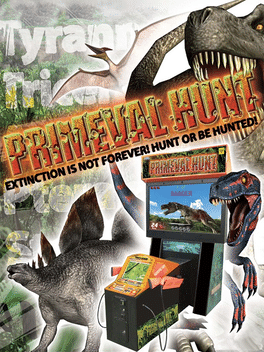
Primeval Hunt is a shooting arcade game which is developed and published by Sega and runs on their Sega Lindbergh hardware. It comes in both standard and deluxe models, with the deluxe version featuring a 62" HD Screen. Released for arcades in early 2008, players in the game must hunt 10 species of dinosaur over 12 levels and 3 Bonus stages using light guns styled after pump action shotguns with speakers mounted for the first time in the 'butt' of each gun. The game also utilizes a unique touch screen interface to give a free-roaming element to the gameplay. It is similar to the Big Buck Hunter arcade games.Fighting Bujutsu
1997
Fighting Bujutsu
1997
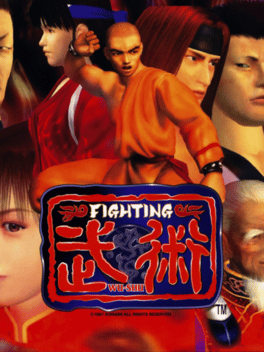
Fighting Bujutsu, known in Japan as Fighting Wu-Shu, is a 3D fighting arcade game from Konami.Galaga Assault
2016
Galaga Assault
2016
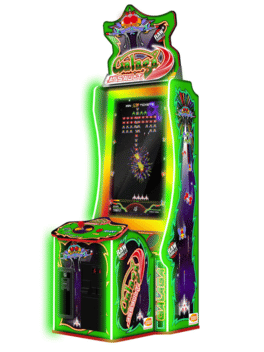
Elements of Namco's Galaga have been repurposed and updated in this arcade redemption machine.Crackin' DJ Part 2
2001
NASCAR Arcade
2000
NASCAR Arcade
2000
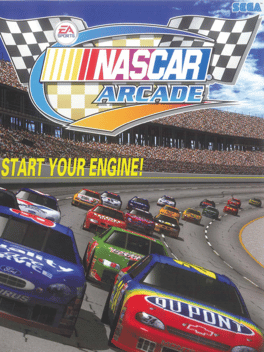
NASCAR Arcade is a stock car racing game and the first NASCAR game to be made for the arcades. It's officially licensed through Electronic Arts (who had the license at the time) and is based on the 1999 Winston Cup series. There are three different race tracks to choose from each with a different difficulty level: Talladega Superspeedway, Richmond International Raceway and Watkins Glen International. A secret Team SEGA track exist too but it's not made available until 700 races have been made on the machine. Before racing the player can choose from real life cars and drivers that all have different strengths and weaknesses. The cars included are Pontiac Grand Prix, Ford Taurus, Chevrolet Monte Carlo and Pontiac Firebird while there are more than 30 drivers to choose from. The game can be played from a first person perspective or several different third person views. It's possible to choose automatic or manual transmission. The objective of the game is to race against the clock and reach a top three position and thWorld Series 99
1999
World Series 99
1999
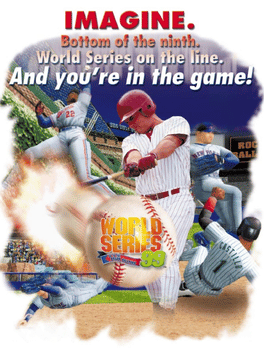
An arcade remake of Sega's successful series lineup from their Genesis, Saturn, and Dreamcast home systems. It features all the teams with their respective 1999 players.Wild Riders
2001
Wild Riders
2001
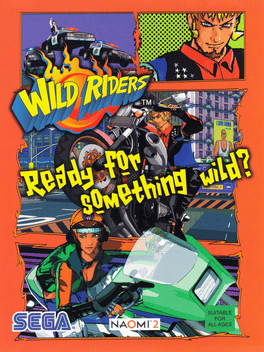
Wild Riders is a cel-shaded bike racing game released for Sega NAOMI 2 arcade hardware in 2001. You pick from one of two characters Keith Raven or Trish Moon as they make their great escape from the police, racing through the streets of comic city as they simultaneously weave through traffic and avoid the cops.Dance Dance Revolution A
2016
Dance Dance Revolution A (pronounced Ace) is a music video game, the 15th installment of the Dance Dance Revolution series, and the sequel to the 2014 release of Dance Dance Revolution. It was released on March 30, 2016 in Japan and Asia as a dedicated cabinet and as an upgrade kit, with Japan receiving a localized build, while the Korean release was delayed to the next week. This game was also released in North America later in 2016, in the form of new cabinets with e-Amusement connectivity, while Europe received new offline cabinets on December 15, 2017. It is the first international arcade release of Dance Dance Revolution since Dance Dance Revolution X2.