New Super Famicom Games - Page 23

Umi Tsuri Mejin: Suzuki-hen
1994
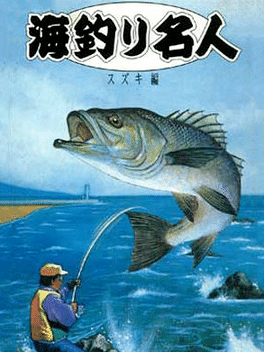
Umi Tsuri Mejin: Suzuki-hen is a Sports game, developed by A-Wave and published by Electronic Arts Victor, which was released in Japan in 1994.Battle Cross
1994
Battle Cross
1994
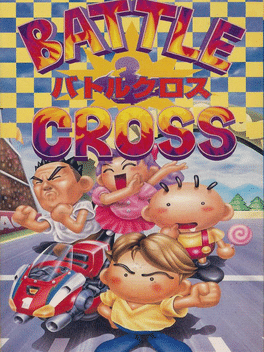
The goal of the game is to take a group of small futuristic air bikes and to go around one of the various race tracks. Players race each other to see who makes it to the finish line first. Various hazards are also scattered around each track, from puddles to speed bumps, pinball bumpers and even cannonballs.Super Momotaro Dentetsu III
1994
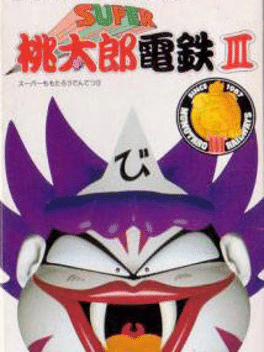
Super Momotaro Dentetsu III is a video game in the Momotaro Dentetsu series of board game-style video games, genre released in 1994 by Hudson Soft for the Super Famicom. The game was only released in Japan.Sugoro Quest++ Dicenics
1994
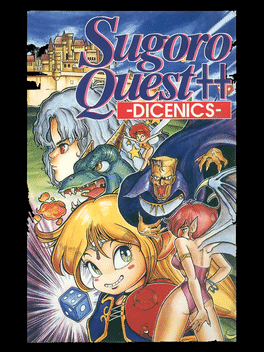
SugoroQuest++ Dicenics is a Miscellaneous game, published by Technos, which was released in Japan in 1994.Toride
1994
Toride
1994
Toride ("Fortress", sometimes referred to as Pai Toride or "Mahjong Tile Fortress") is a mahjong solitaire game released exclusively in Japan first in the Arcade and subsequently on the Super Famicom in 1994. The Arcade version is sometimes referred to as "Last Fortress". The player must clear all the tiles on the screen, as per usual mahjong solitaire rules, but in order to do so they have to store matching tiles along the bottom of the screen. The player's "hand" has a limited number of slots available, and if the player fills it up with pieces that don't match then they have failed. There is also a timer for the whole round that ticks down whenever the player is deliberating on their next move, and removing pairs of pieces from play will slightly refill it. There are also special power-up tiles that increase the timer. As with mahjong solitaire, the player can only match identical tiles. The exception are the eight unique season and flower tiles, which can be paired off with any other season or flower (thoughSeifuku Densetsu Pretty Fighter
1994
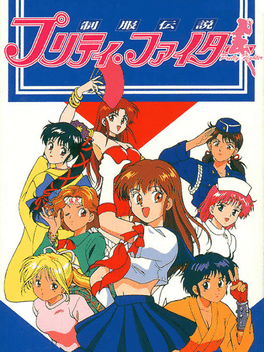
Seifuku Densetsu: Pretty Fighter is a versus fighting game. The game features only female characters: Marin Aoki, Jyuri Akasaka, Minami Midorikawa, Kris Shiratori, Ryouko Kiori (Oryou), Keiko Konno (Kei), Ai Momoyama and Yawara Yamabuki. Players fight in a best two out of three round match. Controls are similar to Street Fighter series - six buttons, three to punch, three to kick.The Last Battle
1994
The Last Battle
1994
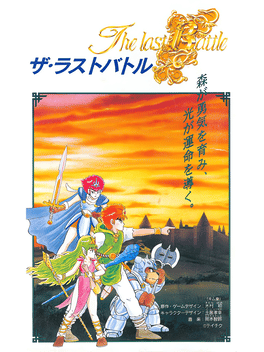
A Super Famicom turn-based RPG from Teichiku with a heavy strategy element. Kurt, Mei, Borg and Regina fight to ensure the long peace between two kingdoms remains intact.Aretha II: Ariel no Fushigi na Tabi
1994
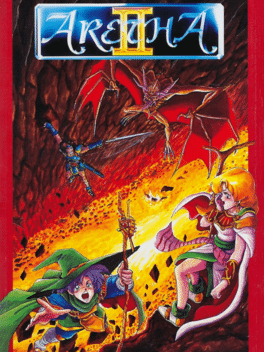
The game is a console-style RPG - you fight random enemies in turn-based combat viewed from first-person perspective. Enemies may attack you from the sides, and you should pay attention which enemy you face. A unique feature the game uses is the ability to get special items called "souls" after battles, and then to use them to forge your own armor.Dokapon 3-2-1: Arashi wo Yobu Yuujou
1994
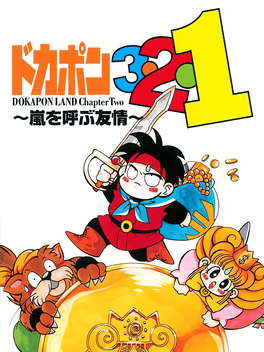
Dokapon 3-2-1 is a Role-Playing game, published by Asmik Ace Entertainment, Inc, which was released in Japan in 1994.Gokujou Parodius: Kako no Eikou wo Motomete
1994
Gokujou Parodius: Kako no Eikou wo Motomete, translated as Gokujo Parodius – Pursuing the Past Glory and also known as Fantastic Journey, is a 1994 side-scrolling shooter arcade game developed and published by Konami. It is the third entry in their Parodius series, itself a parody spin-off of their Gradius series. This is the Super Famicom port, which added new characters: Goemon/Ebisumaru from Ganbare Goemon, Dracula-Kun/Kid-D from Kid Dracula and Upa/Rupa from Bio Miracle Bokutte Upa and the alternating two player mode.Super Mahjong 3: Karakuchi
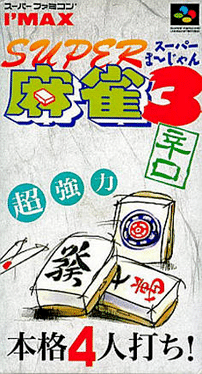
1994
A mahjong game for the Super Famicom and the third in the Super Mahjong series from I'Max.Nontan to Issho: Kuru-kuru Puzzle
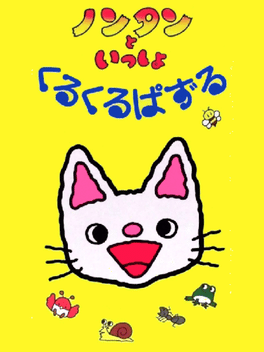
1994
Nontan to Issho: Kuru-kuru Puzzle is a Puzzle game, developed by Game Freak and published by Victor Interactive Software, which was released in Japan in 1994.Takeda Nobuhiro no Super League Soccer
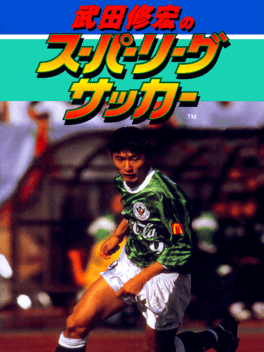
1994
Takeda Nobuhiro no Super League Soccer ("Nobuhiro Takeda's Super League Soccer") is a soccer simulation video game licensed/endorsed by Takeda Nobuhiro, published by Jaleco Entertainment for the Super Famicom console, which was released exclusively in Japan in 1994. This game is a sequel to Takeda Nobuhiro no Super Cup Soccer. It features club teams based on the top division of Japan Professional Football League J. League Division 1 (though unlicensed) instead of national teams. While it kept largely the same structure of the original game, some new options were added.Zenkoku Koukou Soccer
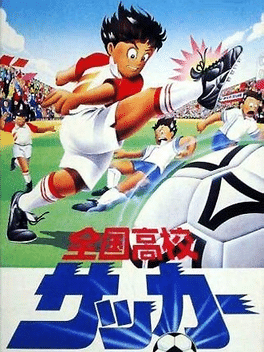
1994
Zenkoku Koukou Soccer is a Sports game, developed by Affect and published by Yojigen, which was released in Japan in 1994.Ganso Pachi-Slot Nippon Ichi
1994
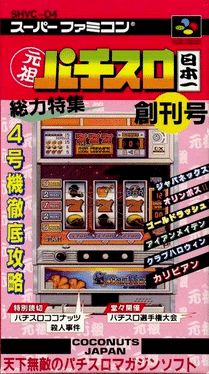
Ganso Pachi-Slot Nippon Ichi is a Miscellaneous game, published by Coconuts Japan, which was released in Japan in 1994.Tadaima Yuusha Boshuuchuu Okawari
1994
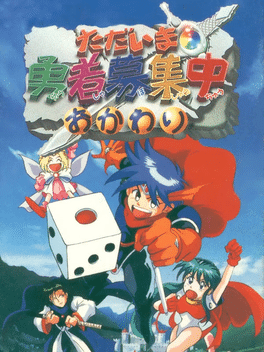
Tadaima Yuusha Boshuuchuu Okawari is a Miscellaneous game, developed and published by Human Entertainment, which was released in Japan in 1994.Monster Maker Kids: Ou-sama ni Naritai
1994
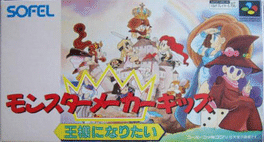
Board game adaptation of the long-running monster-raising video and table-top game franchise that plays similarly to Dokapon Kingdom. It was created by Sofel in 1994.Panic in Nakayoshi World
1994
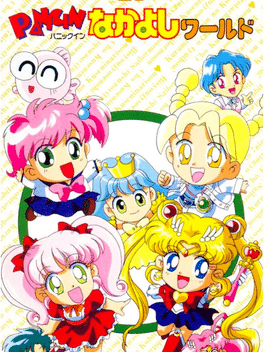
This title is about monsters that are attacking the World of Nakayoshi. The monsters are eating up the citizens. The more they eat, the hungrier they get. Four girls must stop the monsters and defeat Daima to save the World of Nakayoshi. The game is an overhead Adventures of Lolo-style puzzle game featuring characters from various Nakayoshi-printed manga. Sailor Moon and Chibi Moon are playable characters. There are also characters from Goldfish Warning!.Hana no Keiji: Kumo no Kanata ni
1994
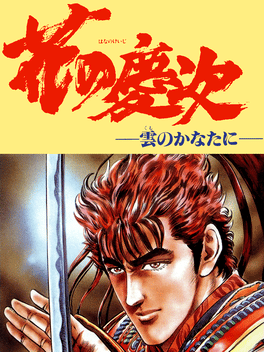
Hana no Keiji: Kumo no Kanata ni is a weapon-based versus fighting game based on the manga of the same title (created by Tetsuo Hara). There are two playable modes, in one you can follow the manga story, while in other you can fight against the computer or player two. There are eight different characters and scenarios to choose from. When following the manga story, there are different paths depending on the choice that the player makes. The most significant thing about the versus battle is that the characters can lose their weapons as much as recover them. Also, a special trick can be executed when the player has enough energy.Dream Basketball: Dunk & Hoop
1994
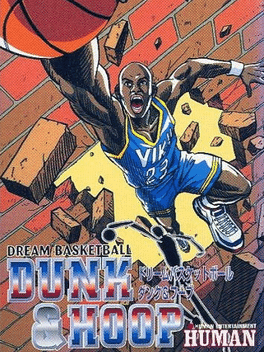
Dream Basketball: Dunk & Hoop is a basketball game from Human Entertainment that was released exclusively in Japan for the Super Famicom in late 1994. The player can choose between a regular match of basketball, featuring two baskets and teams of five, or a 3-on-3 mode which is focused on one basket. Up to five human players can join in on either mode, provided a multi-tap peripheral is available. The game features sixteen fictional basketball teams as well as one all-star team that is only available in the Exhibition mode. They include: The Photons, the Comets, the Flames, the Vikings, the Arrows, the Tomahawks, the Rollers, the Stingrays, the Langers (possibly meant to be Rangers), the Rings, the Waves, the Wizards, the Unicorns, the Tridents, the Sprinters, the Serpents. The all-star team is simply called Japan.