New Super Famicom Games - Page 25

Honkaku Mahjong: Tetsuman II
1994
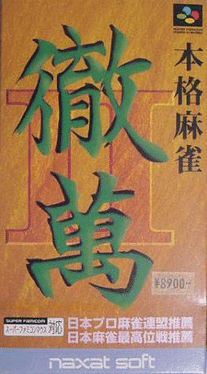
Honkaku Mahjong: Tetsuman II is a Miscellaneous game, developed by Khaos and published by Naxat Soft, which was released in Japan in 1994.Super Family Circuit
1994
Super Family Circuit
1994
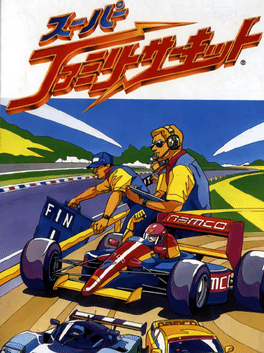
Super Family Circuit is a Racing game, developed by Game Studio and published by Namco, which was released in Japan in 1994.Shimono Masaki no Fishing to Bassing
1994
Shimono Masaki no Fishing to Bassing is a Sports game, developed and published by Natsume, which was released in Japan in 1994.U.F.O. Kamen Yakisoban: Kettler no Kuroi Inbou
1994
U.F.O. Kamen Yakisoban: Kettler no Kuroi Inbou ("U.F.O. Kamen Yakisoban: Kettler's Black Conspiracy") is a brawler featuring U.F.O. Kamen Yakisoban, a character designed to market Nissin's Yakisoba U.F.O. brand of instant yakisoba circa 1993-1995. It understandably features a variety of foodstuffs. In the game, Yakisoban's bride-to-be Mayumi has been kidnapped by the villainous Kettler who wishes to marry her himself (and of course to destroy the concept of delicious Nissin Brand instant Yakisoba!). Yakisoban is obviously a bit dense, as he's standing at the altar and doesn't even realize Mayumi is not there until part-way through the ceremony.Tenryu Genichiro no Pro Wrestling Revolution
1994
Based on pro wrestling legend Tenryu Genichiro and his own wrestling federation WAR, Wrestle and Romance. This game features a 3-way split screen to properly display the action in the ring and outside.Human Grand Prix III: F1 Triple Battle
1994
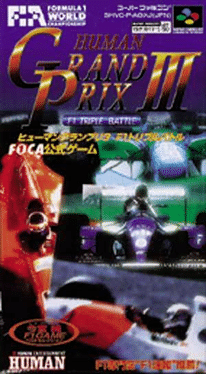
Human Grand Prix III: F1 Triple Battle is a Formula One racing game for the Super Famicom. It is the third of four Human Grand Prix games for the system. It has the licenses of FOCA and Fuji TV: the former allows the game to use actual driver/team names while the latter is the official Japanese TV carrier of the Formula One races. Like its precedents, F1 Triple Battle uses Mode 7 and a low perspective for its racing. Unlike the previous two games in the franchise, this game only saw release in Japan; though all text in game is in English.Keiba Eight Special 2
1994
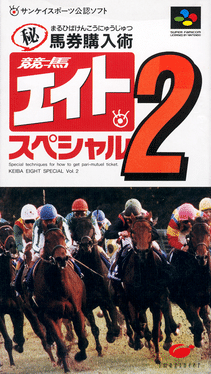
Keiba Eight Special 2 is a Sports game, developed by C-Lab and published by Imagineer, which was released in Japan in 1994.Mahjong Taikai II
1994
Mahjong Taikai II
1994
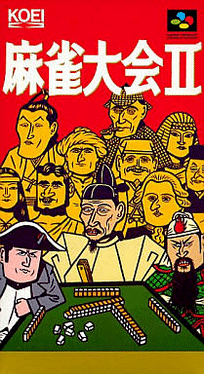
Mahjong Taikai II is a Miscellaneous game, published by Koei, which was released in Japan in 1994.Holy Umbrella: Dondera no Mubou!!
1994
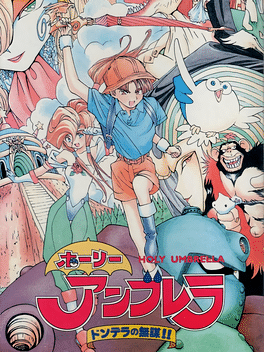
Holy Umbrella: Dondera no Mubou!! is a platformer only released in Japan for the Super Famicom. The main character gets transported to an alternate world when he picks up an umbrella, and he has to save it to get home. The game is full of all sorts of cliche plot elements.Tokoro's Mahjong
1994
Tokoro's Mahjong
1994
Tokoro's Mahjong is a Miscellaneous game, developed by Syscom and published by Vic Tokai, which was released in Japan in 1994.Mahjong Sengoku Monogatari
1994
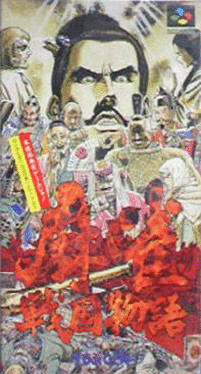
Mahjong Sengoku Monogatari is a Miscellaneous game, developed by Khaos and published by Yojigen, which was released in Japan in 1994.Ghost Chaser Densei
1994
Ghost Chaser Densei
1994
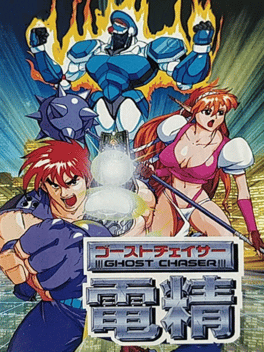
Ghost Chaser Densei doesn't take any dramatic departures from the standard scrolling-brawler plot-line. A city twenty minutes in the future must be saved from a terrorist organization, and between salvation and you is a long, straight line full of goons who must be punched. Aside from receiving orders from your boss before each level, and the quick conversation with a boss or rare NPC, the story won't attempt to get in the way of beat-downs. There are three playable characters in Ghost Chaser Densei: the martial artist Makai, the mace wielding cat-girl Iyo, and the autonomous robot Belva. Each has unique moves as well as the basic abilities of attacking, jumping, blocking, throwing, and using a special if attack and jump are pressed together. Unlike most brawlers these special moves deplete a recharging special bar, not your health. Makai can throw fireballs and do a flying kick in midair, Iyo can triangle jump and preform a spinning piledriver, and Belva can double jump and preform a grapple special. Characters aWizap! Ankoku no Ou
1994
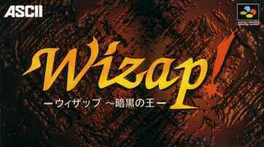
Wizap! Ankoku no Ou
1994
Wizap! Ankoku no Ou is a Role-Playing game, developed by SAS Sakata and published by ASCII Entertainment, which was released in Japan in 1994.Okamoto Ayako to Match Play Golf
1994
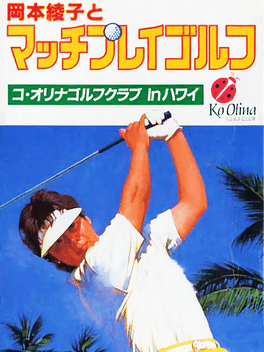
Okamoto Ayako to Match Play Golf (sometimes "Okamoto Ayako to Match Play Golf: Ko Olina Golf Club in Hawaii") is a 1994 golf simulator exclusive to the Japanese Super Famicom. It features the likeness and is endorsed by professional golfer and LPGA (Ladies Professional Golf Association) champion Ayako Okamoto, and is one of a handful of sports games to be endorsed by a female athlete. The game uses the real-life golf course of Ko Olina Golf Club in Hawaii. Ko Olina hosted the LPGA Hawaiian Open between 1990-95, when this game was developed. Okamoto Ayako to Match Play Golf is a much more serious simulation-style golf game. The player has to select their direction and golf club (though the game will automatically select suitable defaults) and accurately hit the power meter to get the most out of each shot.Kaite Tsukutte Asoberu: Dezaemon
1994
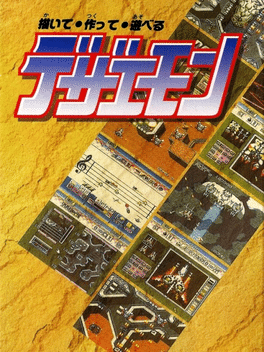
A vertical-scrolling shoot 'em up and game creation engine, released for the Super Famicom in 1994. It is the first in Athena's series of shoot 'em up creators and features a sequel of their 1983 Arcade shoot 'em up Daioh as a sample game.Jungle no Ouja Tar-chan: Sekai Manyu Dai Kakutou no Maki
1994
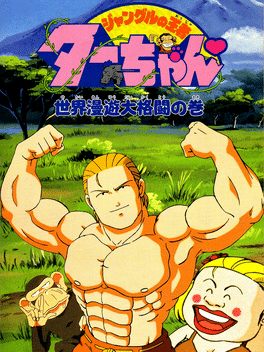
Ta-chan is the king of jungle. He was abandoned in savanna, and has been raised by a chimpanzee, Etekichi. He has a dearest wife, Jane who used to be a top model in New York, but now she looks…Anyway, to protect animals from poachers, Ta-chan is fighting against them with his disciple, Pedro, and a master of Chinese martial arts, Ryo.Jissen Pachi-Slot Hisshouhou! 2
1994
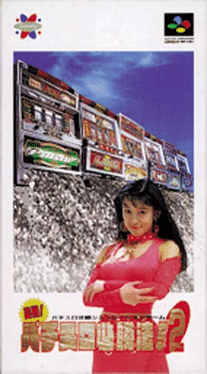
Jissen Pachi-Slot Hisshouhou 2 is a Miscellaneous game, published by Sammy Studios, which was released in Japan in 1994.Leading Jockey
1994
Leading Jockey
1994
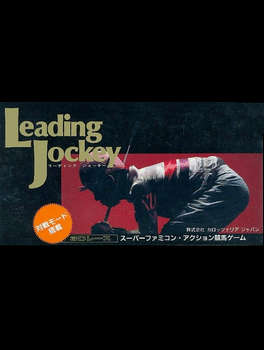
Leading Jockey is a horse racing game for the Super Famicom. It focuses more on the racing aspect than the simulation/management of one's horses and jockeys, unlike ASCII's Derby Stallion or Hect's Thoroughbred Breeder. The player still has a number of options when setting up a race to appeal to enthusiasts of the sport.Shanghai III
1994
Shanghai III
1994
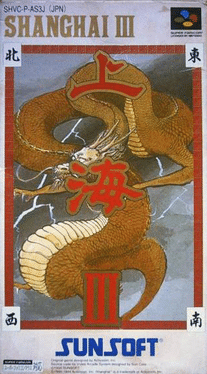
"Shanghai III" is a puzzle game released by SUNSOFT in 1993. This is the 3rd title of the standard puzzle game series that has gained a lot of popularity by adding new functions such as playing with an opponent.Super Sangokushi
1994
Super Sangokushi
1994
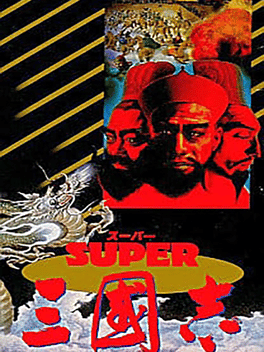
Super Sangokushi is a Strategy game, published by Koei, which was released in Japan in 1994.