New Super Famicom Games - Page 29

Super Pachi-Slot Mahjong
1994
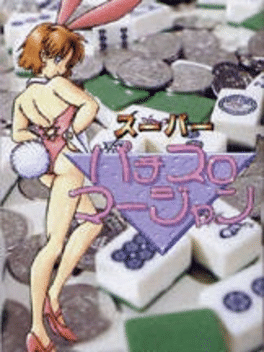
Super Pachi-Slot Mahjong is a Miscellaneous game, developed by Syscom and published by Nichibutsu, which was released in Japan in 1994.Waratte Iitomo! Tamorinpic
1994
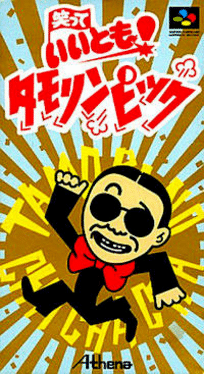
A Super Famicom four-player party mini-game collection based on the long-running Japanese variety show Waratte Iitomo! and featuring its shades-wearing host Tamori. Waratte Iitomo! Tamorinpic ("It's OK to Laugh! Tamorinpic") is a party mini-game collection based on the Japanese TV show of the same name. The show was a daily hour-long comedy variety show featuring recurring guests and various skits and interviews, hosted by the shades-wearing comedian Tamori (whose real name is Kazuyoshi Morita). It aired from 1982-2014 and made several longevity records in the process. The game allows for up to four players, but only two players ever play at once: most of the mini-games are based on completing a task within a set time or with a certain amount of precision, so all players don't need to play simultaneously. Instead, the first pair of players will play each mini-game, followed by the second pair (or two-and-one, if the three-player mode was selected). These mini-games have a comedic edge to them and vary from bowlinMelfand Stories
1994
Melfand Stories
1994
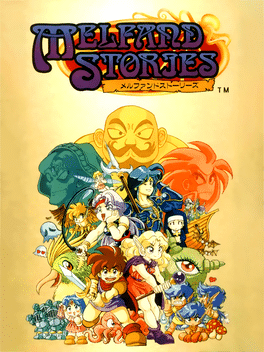
Melfand Stories is an side scrolling brawler with a cutesy fantasy theme. The player can use their weapons or their magic, or a combination thereof, to fight their way through various fantasy monsters and other enemies while finding items to help them out. The game has four playable characters and allows for up to two players to play simultaneously. The characters include the youthful hero El, the brash swordsman Corse, the elven mage Lemin and the whip-wielding rogue Nora.Super Real Mahjong PIV
1994
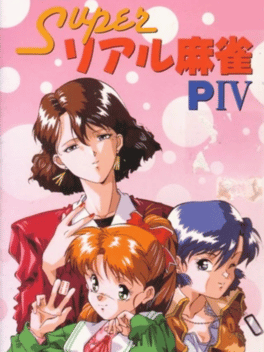
Super Real Mahjong PIV is a Miscellaneous game, developed by Affect and published by Seta Corporation, which was released in Japan in 1994.F-1 Grand Prix Part III
1994
F-1 Grand Prix Part III is a Racing game, developed and published by Video System, which was released in Japan in 1994.Day of the Idea
1994
Day of the Idea
1994
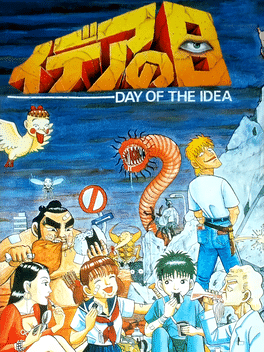
Day of the Idea (Idea no Hi) is a Role-Playing game, developed by Office Koukan and published by Shouei System, which was released in Japan in 1994.Yume Meikyuu: Kigurumi Daibouken
1994
Yume Meikyuu: Kigurumi Daiboken (also known as Dream Maze Kigurumi Adventures) is a wacky and cute dungeon crawler published by Hector. The game tells the story of a boy who dreams of the mysterious kingdom of Enderia every night. There, he constantly lives exciting adventures and this time he is on a quest to save this world from destruction. Our hero must explore perilous towers and rescue all the kidnapped princesses from the kingdom. He is, however, not alone and friends (Harumi and Zakkari) will later help him out in his journey.Rokudenashi Blues: Taiketsu! Tokyo Shiten-ou
1994
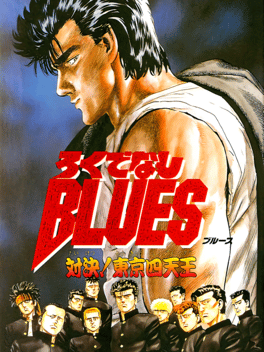
Rokudenashi Blues ("Good-for-Nothing Blues") is a RPG brawler based on the manga of the same name, which also saw two anime movie adaptations close to its release. The player character, Taison Maeda, is a delinquent student who is training to be a professional boxer. He has a reputation as a powerful fighter among delinquent gangs as a result, though despite being violent he has a code of honor. The Famicom and Super Famicom versions of the game are subtly different due to console differences, but both share their genre, developer and publisher. The Famicom game was released in October 1993, with the Super Famicom version following in April 1994. Characters from this game have appeared in Jump crossover games, specifically Famicom Jump II and Jump Ultimate Stars.Super Igo Go-ou
1994
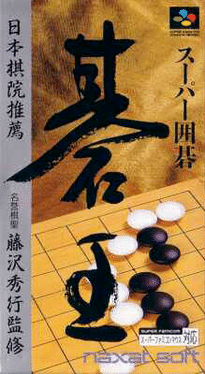
Super Igo Go-ou
1994
Super Igo Go-ou is a Miscellaneous game, published by Naxat Soft, which was released in Japan in 1994.Super Indy Champ
1994
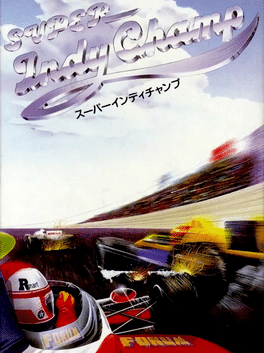
Super Indy Champ
1994
Super Indy Champ is a Racing game, developed by Open System and published by Forum, which was released in Japan in 1994.Super Double Yakuman
1994
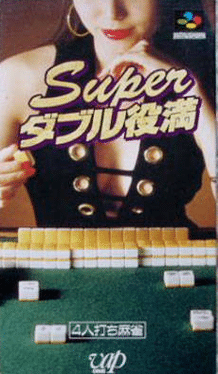
Super Double Yakuman
1994
Super Double Yakuman is a Miscellaneous game, published by Vap, which was released in Japan in 1994.Shin Mahjong
1994
Shin Mahjong
1994
A Mahjong game for the Super Famicom published by Konami. It features cameos from famous historical figures.Nangoku Shounen Papuwa-kun
1994
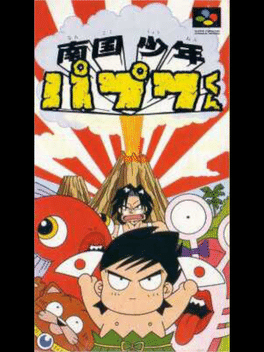
Once, on an unknown southern island, a battle was waged over two mysterious stones, one red and one blue. The blue stone controls desire, and its power created the blue clan. And the red clan that inherited the power of the red stone was filled with the light of hope. Finally, the battle came to an end, and the young one who possessed the power of the blue stone fell into a deep sleep. The one with the power of the red stone flew off far across the sky. Desire and hope... until the day these two powers meet each other again...Raccoon Rascal
1994
Raccoon Rascal
1994
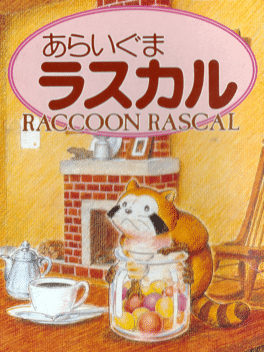
The 11 year old Robby North and his friend Oscar live in Wisconsin. During fishing they hear a shoot. A racoon-mother was shot. Robby takes the baby of this racoon with him and cares for it. The boy names the racoon Rascal. Guide Rascal through puzzles and trouble and find Robby!The Blue Crystal Rod
1994
The Blue Crystal Rod
1994
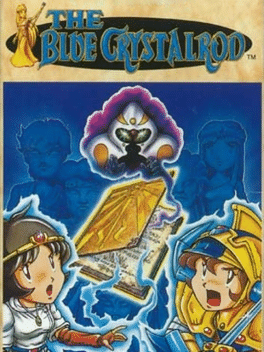
The Blue Crystal Rod is an Adventure game, developed by Game Studio and published by Namco, which was released in Japan in 1994.Kenyuu Densetsu Yaiba
1994
Kenyuu Densetsu Yaiba is a Role-Playing game, developed by Atelier Double and published by Banpresto, which was released in Japan in 1994. Based off the shōnen manga series, Legend of the Swordmaster Yaiba, by Gosho Aoyama.Sanrio World: Kero Kero Keroppi no Bouken Nikki
1994
Kero Kero Keroppi no Bouken Nikki is a Role-Playing game, published by Character Soft, which was released in Japan in 1994.Derby Jockey: Kishou he no Michi
1994
A 1994 horseracing game for the Super Famicom. It was followed with a sequel in 1995.Super Naxat Open: Golf de Shoubu da! Dorabocchan
1994
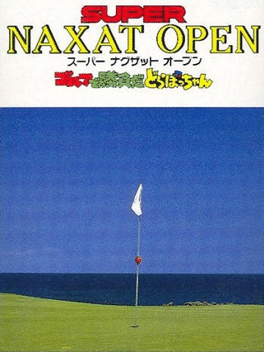
A Super Famicom golf game featuring characters from Naxat's Dorabocchan franchise, best known in the US as Spike McFang.