New Super Famicom Games - Page 26

Kishin Kourinden Oni
1994
Kishin Kourinden Oni
1994
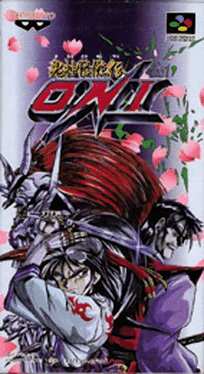
Kishin Korinden Oni is a Role-Playing game, developed by Pandora Box and published by Banpresto, which was released in Japan in 1994.Live A Live
1994
Live A Live
1994
star 8Live A Live's story is split across seven seemingly unrelated chapters that can be played in any order, based on popular genres such as Western, science fiction, and mecha. Each chapter has its own plot, setting, and characters. Although the basic gameplay is the same throughout the game, each chapter adds a new factor to the basic formula, such as the stealth elements in the ninja chapter. After the first seven chapters are completed, two final chapters take place to establish the connection between the seven previous and resolve the story.Hebereke no Oishii Puzzle ha Irimasen ka
1994
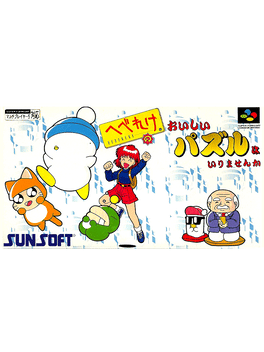
Hebereke no Oishii Puzzle is a Puzzle game, published by SunSoft, which was released in Japan in 1994.Sanrio Shanghai
1994
Sanrio Shanghai
1994
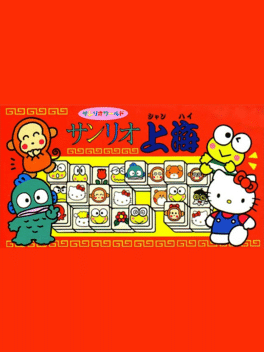
Sanrio Shanghai is a Puzzle game, developed by SAS Sakata and published by Character Soft, which was released in Japan in 1994.Cyber Knight II: Chikyuu Teikoku no Yabou
1994
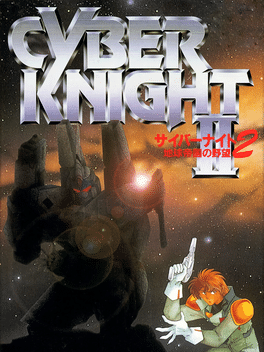
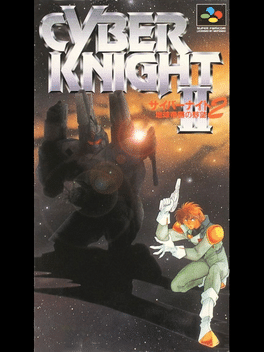
Cyber Knight 2 is a direct story sequel to the original (whose translation was also done by Aeon Genesis.) After the Swordfish´s crew reappears in known space, they are apprehended and imprisoned by the Earth Federation, a new military dictator having seized all of the Swordfish´s alien technology developed in the distant galaxy. It is a time of civil war amongst the federated planets, and the crew has been thrown directly into the center! Soon, new weapons called Metalliforms are created, which the General intends to use to conquer the galaxy! This thing´s moved really fast. It took just under two months, but it´s at the point where the game is not only fully playable, but it´s also one of the nicest pieces of work I´ve done yet. Seriously, the hacking on this is really pretty. Variable-width font for the main dialogue, multi-line 8x8, text hacked to allow more space... You name it, this thing´s got all the bells and whistles. The gameplay is fantastic, too. It´s got everything about the original Cyber KOsu!! Karate Bu
1994
Osu!! Karate Bu
1994
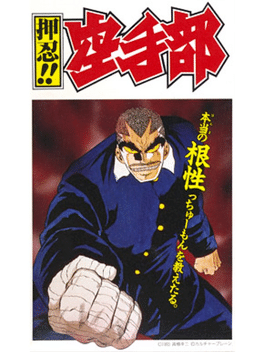
A Super Famicom fighter game based on the delinquent martial arts manga of the same name. It was developed and published by Culture Brain in 1994. The game is a standard martial arts one-on-one fighter in most respects, though features a few uncommon aspects. The first of which is that the player's health bar does not replenish after each round, and the fight continues as each bar is depleted. The second is that the player can recover from losing all their health if they have enough on their power (or qi) gauge. The game counts to three, like in professional wrestling, and the player has the chance to recover a small amount of health in exchange for their power.Appleseed: Prometheus no Shintaku
1994
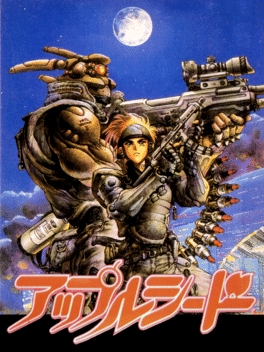
World War III is over, and nomad soldier Duenan Knute and her cyborg partner Briareos struggle to survive in the abandoned cities and demilitarized zones of the post-war wasteland, the "Badside." Matters appear on the upswing, however, when they are found and brought to Olympus, an urban utopia and centerpiece for the reconstruction of civilization. Duenan and Bri join the Olympus' police, a force that seems hardly necessary in such a paradise. But, like in most pretty pictures, perfection is an illusion, and Olympus' peaceful facade hides a dark secret, a violent struggle between human and cyborg that could once again plunge the world into war... and genocide.Matsumura Kunihiro-den: Saikyou no Rekishi wo Nurikaero!
1994
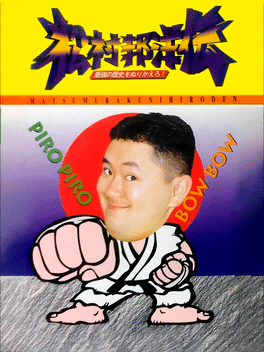
Kunihiro Matsumura, famous for his impersonations, battles as the "karateka" to face off against seven different opponents. With original style and gameplay, the game uses a parody of fighting moves along with various gag moves such as the Piro Piro and Bow Bow evasion technique.Yokozuna Monogatari
1994
Yokozuna Monogatari
1994
Yokozuna Monogatari is a Sports game, published by KSS, which was released in Japan in 1994. Yokozuna Monogatari is a sumo game for the Super Famicom. It focuses on management aspects, training sumo wrestlers and setting up bouts to improve their ranking. Earning money from sumo matches allows the player to hire stronger wrestlers, who naturally ask for more money to be recruited. The goal is to train a sumo wrestler to Yokozuna ("Grand Champion") level.Cyber Knight II
1994
Cyber Knight II
1994
This epic arcade adventure features a brave Knight on a quest to find the only thing that will release his beloved from a curse that has turned her into a dragon - the magical Grail.Mahjong Gokuu Tenjiku
1994
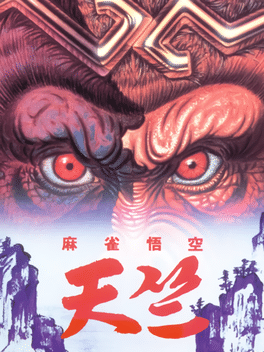
Mahjong Gokuu Tenjiku is a Miscellaneous game, developed and published by Chat Noir, which was released in Japan in 1994.Hisshou 777 Fighter 2: Pachi-Slot Hi Jouhou
1994
Hisshou 777 Fighter 2: Pachi-Slot Hi Jouhou is a Miscellaneous game, developed by Jorudan and published by Vap, which was released in Japan in 1994.Shin Nippon Pro Wrestling '94: Battlefield in Tokyo Dome
1994
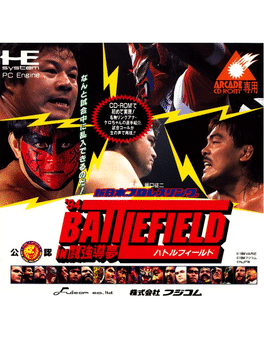
The second of three Super Famicom wrestling games based on the Shin Nippon Pro Wrestling (a.k.a. the New Japan Pro Wrestling, or NJPW) circuit by Varie.Super Kyuukyoku Harikiri Stadium 2
1994
Super Kyuukyoku Harikiri Stadium 2 is a Sports game, developed by Now Production and published by Taito Corporation, which was released in Japan in 1994.Onigami Korinden Oni
1994
Onigami Korinden Oni
1994
The first Super Famicom game (and the fifth game overall) in an RPG series based on Japanese mythology.Ugoku E Ver. 2.0: Aryol
1994
Ugoku E Ver. 2.0: Aryol is a Puzzle game with a Russian motif, published by Altron, which was released in Japan in 1994.Mahou Poi-poi Poitto!
1994
Match-3 Super Famicom puzzle game published by Takara in 1994. Features a story mode where the player has to wear down the health bars of various monsters by creating combos.J.League Soccer: Prime Goal 2
1994
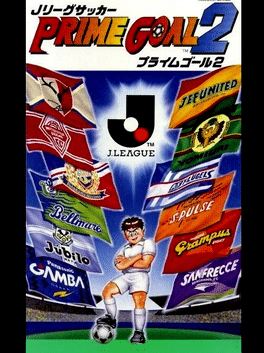
J.League Soccer: Prime Goal 2 is a Sports game, published by Namco, which was released in Japan in 1994.Super Hanafuda
1994
Super Hanafuda
1994
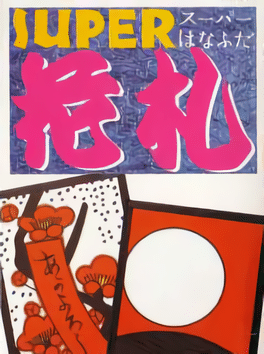
Super Hanafuda is a Miscellaneous game, developed by Use and published by I'Max, which was released in Japan in 1994.Super Koukou Yakyuu: Ichikyuu Jikkon
1994
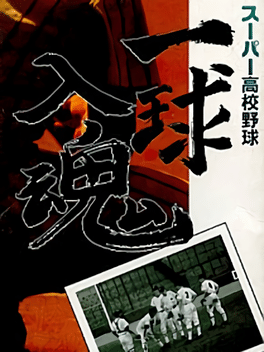
Super Koukou Yakyuu: Ichikyuu Jikkon is a Sports game, published by I'Max, which was released in Japan in 1994.