New Games - Page 12017

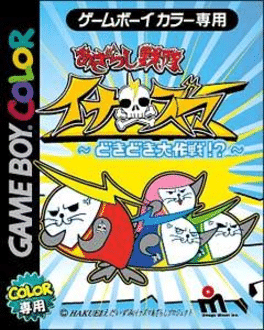
Azarashi Sentai Inazuma: Doki-doki Daisakusen
2002
Azarashi Sentai Inazuma: Doki-doki Daisakusen is a Japanese only Game Boy Color game.Fila Decathlon
2002
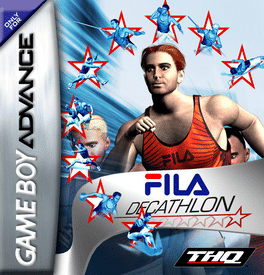
Fila Decathlon
2002
Fila Decathlon is a track-and-field game with branding from the world-famous sports equipment and apparel manufacturer.Shin Nippon Pro Wrestling: Toukon Retsuden Advance
2002
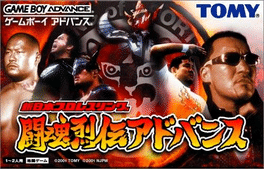
Toukon Retsuden Advance is a wrestling game on Game Boy AdvanceFire Emblem: Fuuin no Tsurugi
2002
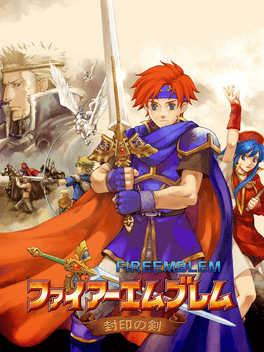
star 7.3Fire Emblem: The Binding Blade is a Japanese tactical role-playing game developed by Intelligent Systems and published by Nintendo. The game was released on March 29, 2002 in Japan, is the sixth game in the Fire Emblem series, and the first of three games in the series that have appeared on Nintendo's Game Boy Advance handheld. It was the last Fire Emblem game to be released exclusively in Japan until the release of Fire Emblem: New Mystery of the Emblem. The Binding Blade was followed by a prequel, Fire Emblem: The Blazing Blade, set twenty years earlier.Tekken 4
2002
Tekken 4
2002
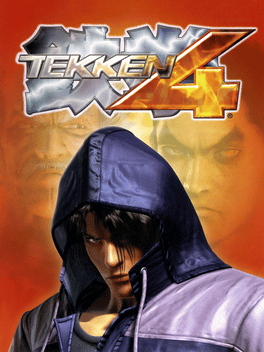
star 7.3The PlayStation 2 release of Tekken 4 included several modes not seen in the Arcade release, such as Tekken Force (A beat 'em up mode), Story, and Practice.Scrabble
2002
Scrabble
2002
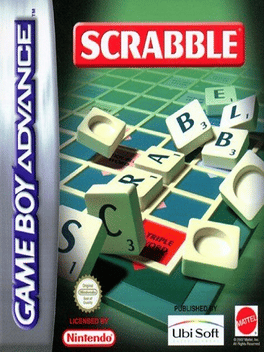
Have fun and stretch your mind whilst on the move with Scrabble! Play an absorbing full game of Scrabble or a quick Anagram or a Conundrum round. Extensive word list based on the official Scrabble Word list. 1 to 4 players. Play against friends, the Computer or any other combination of these. Move from beginner to expert using the 10 ability levels. Customise the game to suit your own preferences: create your own profile, tile theme, keep track of your best scores and more!Card of Destiny: Hikari to Yami no Tougousha
2002
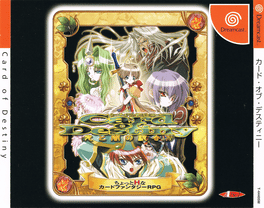
Card of Destiny: Hikari to Yami no Tougousha is a Role-Playing game, developed and published by Abel Software, which was released in Japan in 2002.Final Fantasy IV
2002
Final Fantasy IV
2002
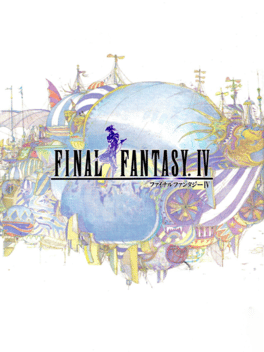
A port of Final Fantasy IV for WonderSwan Color released only in Japan. It is largely based on the PlayStation port while lacking its FMVs and having a decreased screen resolution, and down-sampled music and sound effects to meet the specifications of the device. The WonderSwan Color port introduces a number of graphical enhancements to character sprites and backgrounds by providing additional details and color shading. The original character portraits were replaced with new, smaller portraits. Also, certain boss sprites were changed to those featured in the Japanese Easy Type version of the Super Famicom game. The game features a revamped difficulty different from both the original and the Easy Type versions.America Oudan Ultra Quiz
2002
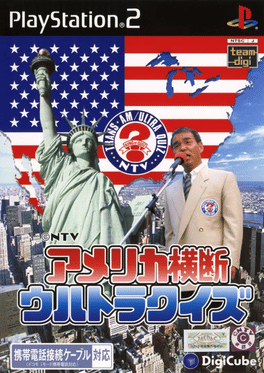
America Oudan Ultra Quiz is based on the Japanese TV show of the game name. Like the original show, the game focuses on trivia questions solely related to the United States of America. Areas of knowledge include history, geography, culture, literature, sports, language, and others. The main quiz show takes place in New York and involves questions in random categories. A special travel mode allows the player to visit various locations in the USA, including notable airports, beaches, sports stadiums, and other popular travel destinations. Each of these locations has its own challenges in additional to the trivia questions.Black/Matrix II
2002
Black/Matrix II
2002
Rage was one of the four Great Generals of the Demon Army, but he was slain in a battle against the Angels. He has recently been revived, but has lost all memories of his previous life. With the war between Demons and Angels still continuing with no end in sight, he must restore his power and build his forces back up to strike back against the Angel Army. Black/Matrix II is a turn-based tactical strategy game similar in structure to Final Fantasy Tactics, and the sequel to Black/Matrix. Characters level up and learn abilities individually, and it is possible to recruit a variety of characters, though only 6 at a time can be deployed into a battle. There are also several different romantic interests to pursue, with multiple endings for each depending on the player's choices throughout the game.Simple Characters 2000 Series Vol. 07: Ikkyuu-san - The Quiz
2002
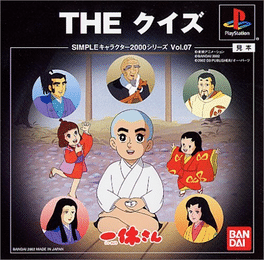
Ikkyuu-san: The Quiz features a lot of different quiz questions about the Ikkyuu-san anime series, the game can be played against another human player or against the computer. The game features different game modes all of them quiz based.Simple 1500 Series Vol. 92: The Tozan RPG
2002
The Tozan RPG is a classic RPG in which the player controls a group of adventurers that have to climb a mountain and defeat the monsters that will come in their way.Simple 1500 Series Vol. 91: The Gambler - Honoo no Tobaku Densetsu
2002
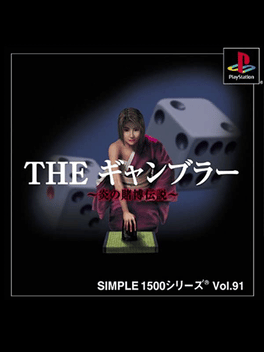
The Gambler - Honoo no Tobaku Densetsu is a gambling game in which the player takes the role of a young gambler that enters a casino where he wants to earn lots of money playing against other gamblers in different dice games.Project Arms
2002
Project Arms
2002
Project Arms is a Action video game published by Bandai released on March 28, 2002 for the Sony PlayStation 2.Subete ga F ni Naru
2002
Subete ga F ni Naru
2002
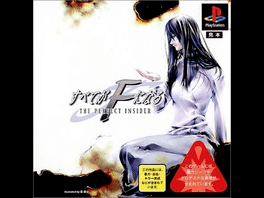
Subete ga F Ninaru: The Perfect Insider is an Adventure game, developed and published by Kid, which was released in Japan in 2002.Jet de GO! 2: Let's Go by Airliner
2002
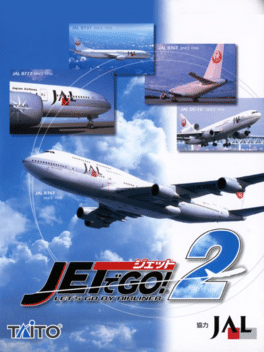
Jet de GO! 2 (translated 'Let's go by Airliner! 2') is an airliner simulation featuring passenger jets of Japan Air Lines (JAL). It is the direct sequel of the first Jet de GO! game that was released for PS2 and Windows.Super Robot Taisen Impact
2002
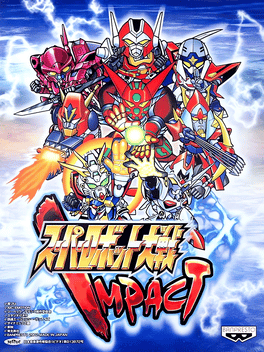
Super Robot Wars Impact is the first SRW game for the Playstation 2. It is an enhanced remake of the three chapters of Compact 2 and contains over 100 stages, making it the longest SRW to date.Alpine Racer 3
2002
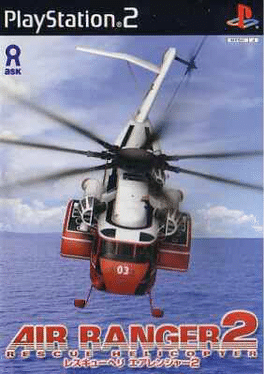
Air Ranger 2: Rescue Helicopter
2002
Air Ranger 2: Rescue Helicopter is a Flight Simulation game created by Garden.