New Games - Page 12762

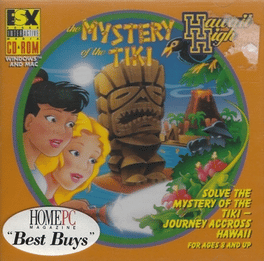
Hawaii High: Mystery of the Tiki
1994
Hawaii High: Mystery of the Tiki is a computer game written and designed by famed comic book artist Trina Robbins. The game, set in Hawaii, is the first video game targeting girls. While the game was not a commercial success, some commentators noted that certain elements later appeared in games targeting girls.Star Wars: X-Wing - Collector's CD-ROM
1994
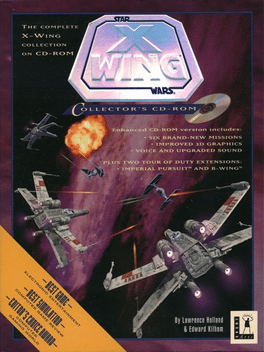
The CD-ROM version of X-Wing released in 1994, and included the base X-Wing game along with its expansion packs, Imperial Pursuit and B-Wing. It also featured enhanced graphics and audio, as well as six brand new missions not seen in any prior release.Warpath
1994
Zero-5
1994
Zero-5
1994
Zero-5 is a shooter where players control the Perseus space fighter as a Space Hound recruited by DEFCON to defend Earth from the Morphon alien race in 2044. The Morphons detected and destroyed the Europa III satellite, prompting their invasion to eliminate humanity. Players engage in combat missions that require defending against and counterattacking the alien forces before they reach the planet. The title features 3D graphics and was inspired by the 1984 space opera film The Last Starfighter, though players without multiple disk drives experienced frequent disk swapping during gameplay.How Many Bugs in a Box
1994
A children's game featuring a collection of mini games mainly focusing on counting.Lamborghini: American Challenge
1994
Lamborghini: American Challenge is a racing game where players start with a basic Lamborghini and $6000, competing across 60 tracks in the United States to advance through four racing divisions. Players race against championship rivals and local drivers while avoiding police who pursue speeders exceeding 110 km/h, attempting to ram offenders off the road. The game features a betting system where players wager on race outcomes against other championship drivers, and progression requires completing Divisional Challenge time trials. Players can purchase upgrades including tires, radar jammers, engine improvements, and nitro boosts using race earnings, with each race requiring an entry fee and offering monetary rewards based on performance and successful bets.Ultima I
1994
Ultima I
1994
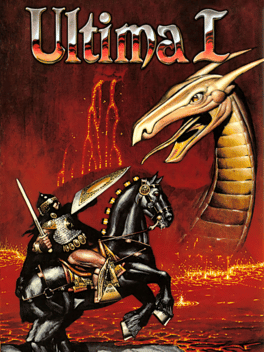
The Apple IIGS port of Ultima I: The First Age of Darkness serves as a technically superior tribute to the title that helped define the CRPG genre. This rare version upgrades the original quest to defeat the evil wizard Mondain by taking full advantage of the IIGS hardware.Oz
1994
Agalta II
1994
Agalta II
1994
Agalta II picks up right where the first game ended. Ares and his two companions, Seria and Georgie, have defeated the evil and are returning on their airship to the home city of Saladin. Afterwards, they decide to travel on the airship, looking for new adventure. And surely enough, a new adventure begins - but not quite the way they imagined. A storm causes their airship to crash on an unknown continent. The trio of heroes is rescued by the king of Safaya. As a token of gratitude, they decide to help the king defend his land against mysterious monsters that attack it...Marbella Vice
1994
Marbella Vice
1994
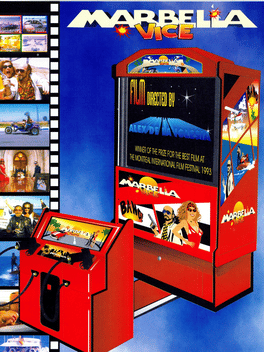
Marbella Vice is a Full Motion Video arcade game, the filming of which was directed by Álex de la Iglesia and which also featured actors such as Santiago Segura and Álex Angulo. It is a light gun shooter, parody of the series Miami Vice. The action will follow in the footsteps of two policemen (the player and Álex Angulo) who arrive in Marbella to catch a drug trafficker named Amin Shala. As in other games of this genre, we must shoot the enemies as soon as they appear on the screen and avoid shooting civilians.Dropzone
1994
Pete Sampras Tennis
1994
The Incredible Hulk
1994
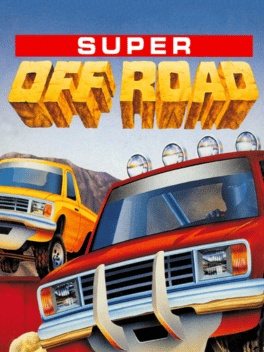
Super Off Road
1994
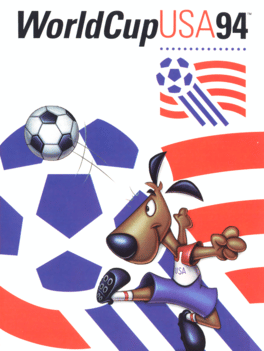
World Cup USA 94
1994
World Cup USA 94
1994
World Cup USA 94
1994