New Racing Games - Page 127

Top Gear Overdrive
1998
Top Gear Overdrive
1998
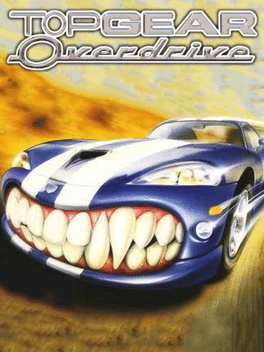
star 6.9In the main mode of play, the player races through six seasons, each season containing more races from more tracks, and with faster cars competing. At the beginning of the race the player would start at the back of the grid, at the start line. Computer players at the front of the grid would often start a third of the way around the first lap. Players started with three charges of nitrous oxide, which were used to give the player a temporary speed boost. Shortcuts were available on each track, and often the use of these decided the outcome of the races, particularly in later seasons. At the end of each race the player would be presented with a screen to allow for various upgrades to their car, such as to acceleration and handling. The player was also able to change their car for a better (or worse) vehicle and could buy extra nitrous oxide to use in the next race.Advan Racing
1998
Advan Racing
1998
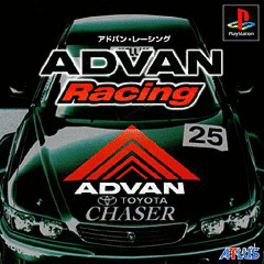
Advan Racing is a PlayStation racing game developed and published by Atlus featuring Yokohama Tire's ADVAN brand.Touge Max 2
1998
Rush 2: Extreme Racing USA
1998
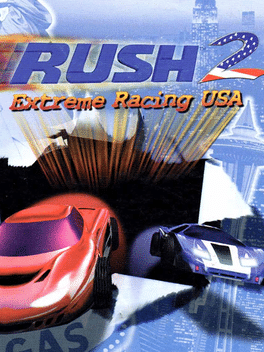
star 6.8Rush 2: Extreme Racing USA is a sequel to San Francisco Rush and the second game in the Rush series. The game is notable for the high level of detail in the recreations of the various cities and states used, and for its fast arcade-style physics. The game also features a two-player mode and rumble pack support. Hidden shortcuts and jumps add to the replay value of the game. Cities used are New York (Uptown and Downtown), Hawaii, Las Vegas, San Francisco (Alcatraz), Los Angeles, and Seattle. Other tracks playable at the start of the game are Stunt, Crash, and Halfpipe. A bonus track can be won where your car is miniaturized and you drive through the offices of Midway Games. Another bonus is the full pipe level, as the last achievement to unlock.Wipeout 64
1998
Wipeout 64
1998
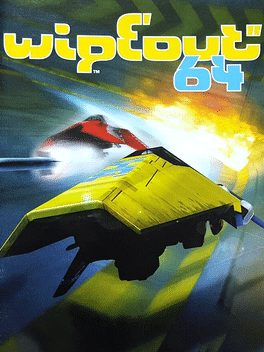
star 7WipEout 64 was released by Psygnosis as a follow-up to the racing game WipEout XL, taking place one year later in 2098. Like in previous installments players control highspeed hovercrafts, pick up weapons to damage the opponents' vehicles and try to finish the race in the first position. In many aspects, the gameplay is pretty similar to its predecessor, such as selection of hovercrafts, visuals or the handling system. Beside new racing tracks the main differences include a Split-Screen Multiplayer Mode (up to four players), Weapon & Super Combo Challenges as well as various Special Weapons for each Team!Team Losi RC Racer
1998
Team Losi RC Racer
1998
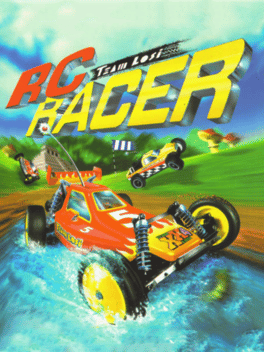
Team Losi RC Racer is a one or two-player racing game that features 16 radio-controlled vehicles. You'll be racing against various opponents to unlock new tracks (15 in all), discover new cars and conquer the vast hub system that connects every track together. Discovering new tracks and bonus goodies involves locating any given rainbow-colored gate; after you're familiar with the tracks, you can perfect your times and utilize the gates to your advantage. Of course, you're not required to race every single time you play -- you can explore the tracks for said gates, finding shortcuts that will give you an advantage over the opposition. Radio-controlled vehicles are based on performance ratings including speed, acceleration, grip and weight. There are four cars to choose from at the start of the game; whereas Krush is average in all areas, the Flame Dragon has incredible handling and acceleration features. Tracks incorporate surreal environments such as beachside raceways, mountainous terrain and a desert.Test Drive: Off-Road 2
1998
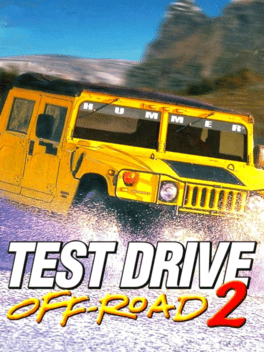
star 7Test Drive Off-Road 2 follows the path set by 1997's Test Drive: Off-Road as you drive across twelve courses (based on six locales: Morocco, Hawaii, Mojave, Santa Cruz, Switzerland and Wales) in your quest to win races on the World Tour. This time twenty vehicles are available to choose from, but before you can get behind the wheel, you'll have to purchase them with credits earned from winning races. Some of the licensed vehicles include a Hummer, Dodge Ram, Jeep Wrangler, Ford Explorer, Jeep Cherokee, Range Rover, Ford F-150 and a Dodge T-Rex. The World Tour consists of five events divided by class: Hummer, Safari, SUV (Sport Utility Vehicle), Truck and Military. Each class has you competing against five similar vehicles in a series of races, where you'll need to place within the top three in order to advance to the next track.Running Wild
1998
Running Wild
1998
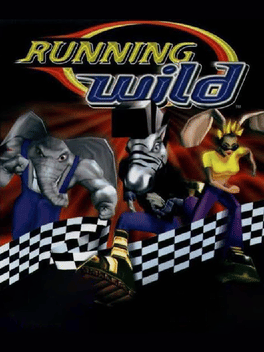
A racing game in the purest sense of the word, Running Wild pits six bipedal animals against one another in a footrace across six diverse environments (two of which must be unlocked), with the sole aim of being crowned the fastest animal on the planet. The menagerie of racers includes Mei-Ling the panda, Gwynn the rabbit, Brazz the zebra, General the mountain ram, Coronado the bull, and Boris the elephant. The courses, taking place in remote locations such as the arctic, jungle, and desert, are littered with hazards and power-ups to both aid and hinder your progress. The former is made up of a plethora of obstacles such as pipes, ice and lava pits, thorn patches, and other such impediments, many of which must be cleared using your animal's innate jumping ability. The power-ups provided allow characters to fly; turn into ghosts in order to avoid obstructions; transform the course into mud or ice or even increase in size in order to squash any competitors in their path. Speed strips are scattered about the localesFormula 1 98
1998
Formula 1 98
1998
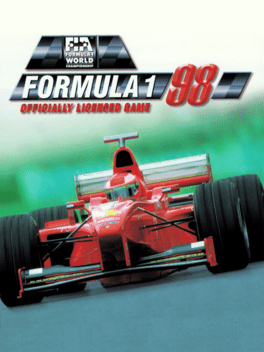
star 5.6Psygnosis hits back with Formula 1 98 not only providing a new game engine and features but also developer Visual Science. Formula 1 98 also sports a real 1998 FIA licences insuring real tracks, cars, racers, teams, more detailed statistics and other F1 lifelike aspects. Visually Visual Science have managed to tweak field depth and reduce pop up while providing the same detailed, fast visuals the first two were known for. Players also witness the action from a new cockpit view with realistic driver head animation and new particle effects have been added to heighten realism and crash effects. Also check out startling commentary now not only with famous English commentators but also other languages provide real commentators, certainly a good option for those who prefer non-English commentary. Cars are also modelled upon 1998 versions with greater attention to detail and advertising while all tracks have been greatly improved likewise. The Interface now features a track map in arcade mode while existing car dynamicsGranyuu-shima! Daibouken
1998
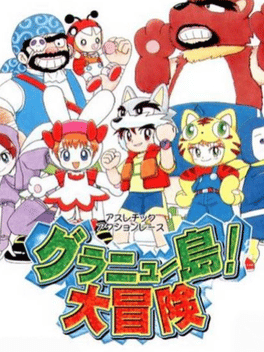
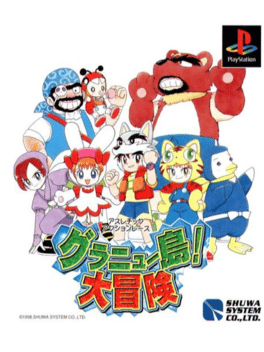
A racing game, developed by Insect and published by Shuwa System, which was released in Japan in 1998.Hot Wheels Stunt Track Driver
1998
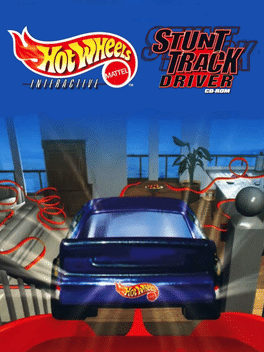
star 6.3The little die-cast cars from Matchbox make their way to the Game Boy Color with HOT WHEELS STUNT TRACK DRIVER. You can choose from five different Hot Wheels cars, including Way 2 Fast, Tow Jam, Shadow Jet, Saltflat Racer and the Twin Mill each with unique strengths and weaknesses. After picking the right car, take it for a test drive on one of the six tracks in the Single Race mode. When you want some stiff competition, try to win successive races in the Tournament mode. And if your friends think they can drive better than you, make them prove it with the two-player link cable option. In all of the modes, the key to winning is to maximize your speed by pulling off big stunts. Find out if you have what it takes to become a Hot Wheels Driver in HOT WHEELS STUNT TRACK DRIVER.Test Drive 5
1998
Test Drive 5
1998
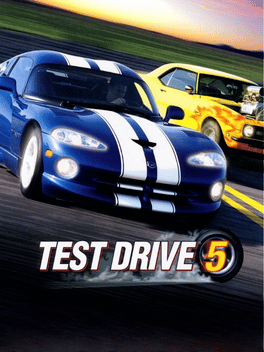
star 7.2Hear the roar of engines and smell the burnt rubber as you step up to take the challenge of Test Drive 5. Race on 18 different tracks in locations such as Moscow, Honolulu, Tokyo and the winding streets of San Francisco. The interesting twist is that the courses are reversible giving you an total of 31 driving combinations. Add that to 40 cars including classics such as the Dodge Viper, Shelby Series 1, Jaguar XKR, Saleen S351, Chevrolet Corvette, Ford Mustang, and the Plymouth Hemi Barracuda among other super-charged and secret cars that will melt the asphalt beneath your tires.Total Drivin
1998
Total Drivin
1998
Total Drivin is a racing game with five different classes of cars (4x4 Buggies, Dakar Rally, Sports, Indy and Rally) in six different locations (Moscow, Easter Island, Scotland, Hong Kong, Egypt and Switzerland). Each location has six different tracks to master with a total of 36 tracks. The different tracks actually are variations of the same track only slightly different. For example drive with different car type, reverse direction, ramps added or safety rails removed, different weather conditions etc. You can choose to drive with 1 of 8 different teams, each with different driving behaviour, providing 40 cars in total. There is multiplayer for 2 to 4 players, using split-screen and a link cable. The game also features typical 1990's rave music. When your car rolls over the game will turn you right side up again, but if your car drives into water or falls into lava the game instantly ends.Mini-Yonku Let's & Go!! Power WGP 2
1998
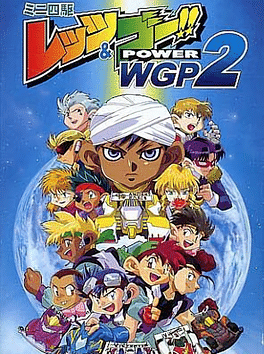
Mini-Yonku Let's & Go!! Power WGP 2 is a Racing game, developed by Jupiter Multimedia and published by Nintendo, which was released in Japan in 1998.Plane Crazy
1998
Rally de Africa
1998
Rally de Africa
1998
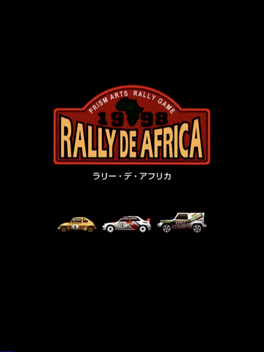
Rally de Africa is an arcade rally racing game which plays similarly to Sega Rally Championship. The game features four game modes: Championship, where the player plays through a series of races; Spot Entry, where the player can play a singe race; 2 Player Battle, where two players can race against each other; and Memory Battle, where the player can race against the replay of another player which is stored on the memory card. In each race you begin in the twelfth position behind eleven computer opponents, the goal is to pass all the opponents to get into the first place position before you reach the end of the stage. The game features a total of five different stages set across the continent of Africa and a selection of unlicensed vehicles to race with.Moto Racer 2
1998
Moto Racer 2
1998
star 8.2The game has more courses than its predecessor, and added a level editor. Moto Racer 2 garnered positive reviews from critics, praising its graphics and variety of gameplay.Bakusou Kyoudai Let's & Go!!: Eternal Wings
1998
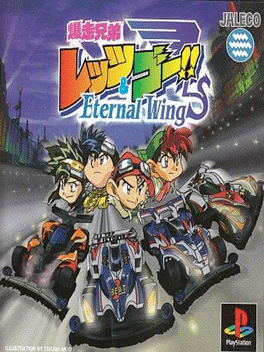
star 7.1Bakusou Kyoudai Let's & Go!! Eternal Wings is a Racing game, published by Jaleco Entertainment, which was released in Japan in 1998.RedLine Racer
1998
RedLine Racer
1998
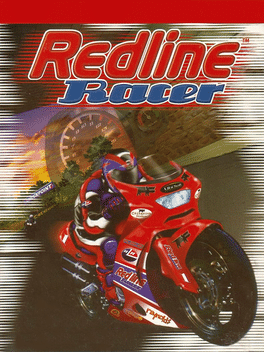
Redline Racer (Suzuki Alstare Extreme Racing for the European and North American Dreamcast release, European Game Boy Color release and Microsoft Windows re-release) is a racing game that was developed by Criterion Games and published by Ubisoft for Microsoft Windows.