New Racing Games - Page 134

Destruction Derby 2
1996
Destruction Derby 2
1996
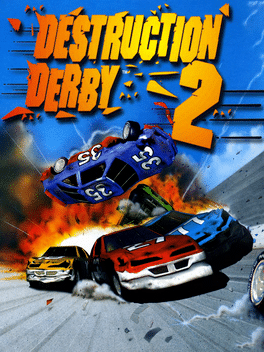
star 7.2Destruction Derby 2 is the sequel to the MS-DOS, PlayStation, Sega Saturn and Nintendo 64 title Destruction Derby. Here, the player must race on up to seven different circuits, in a range of modes, similar to its predecessor. The modes are Wrecking Racing (where the player must destroy or spin the other competitors), Stock Car (a typical race where it's first to the flag) and Destruction Derby, which is based around the crash arenas. Commentator Paul Page performed as the announcer. This Racing game is widely known for its destruction and chaotic themes that are followed by loud, gritty and dark metal songs.C1 Circuit
1996
C1 Circuit
1996
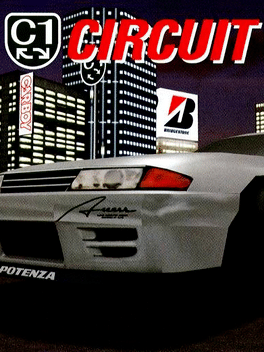
C1 Circuit is a Racing game, developed and published by Invex, which was released in Japan in 1996.Dare Devil Derby 3D
1996
Dare Devil Derby 3D
1996
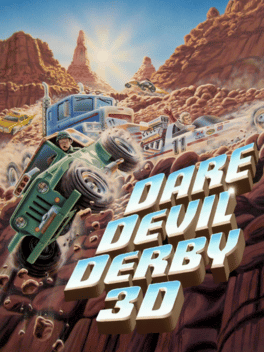
Dare Devil Derby 3D places you in a variety of races and includes 30 tracks through 10 different environments. There are a total of eight characters to play as, each with their own various traits. Single player modes of play are: grand prix, world series, championship, knockout, one-on-one, and speed trial. Each race has variations such as number of tracks, time limits, point systems, and number of computer opponents. Multi-player modes include: battle race, circuit race, battle comp, pro battle comp, circuit comp, and speed comp. Similar variations exist for multi-player modes as they do in the single player modes. One difference is that the view will zoom in and out in order to keep every player on the screen.Wipeout XL
1996
Wipeout XL
1996
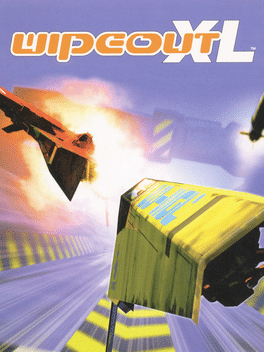
star 8.1WipEout XL is set in the year 2097, around four decades after its predecessor. Instead of the F3600 anti-gravity racing competition, the game features an even faster and more dangerous tournament: the F5000 AG league. The gameplay system is similar to that of the previous game: players race against each other or computer in high-speed futuristic environments, liberally picking up weapons scattered around the stages and using them against the opponents to finish the race in the highest position.International Moto X
1996
International Moto X
1996
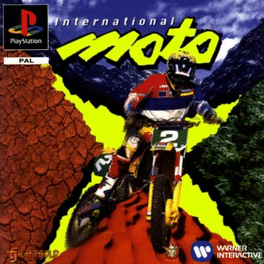
International Moto X is an off-road motorcycle racing game for the PS1 released in PAL regions. Wrestle with sheer drops, tackle vertical climb-outs and plunge down muddy banks. International Moto X is the most realistic and exhilarating off-road motorcycle simulation game ever! With its own unique 3D engine, it offers its players realistic bike handling, break-neck speeds and unrivalled graphics.Andretti Racing
1996
Andretti Racing
1996
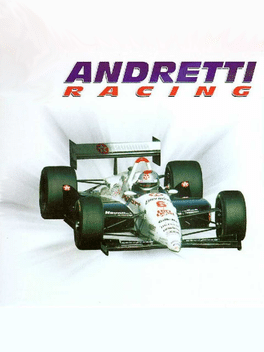
For the first time ever in an arcade racer, take control of either NASCAR or Indy cars and cruise around 16 detailed tracks. There are 3 views available to drive from. As well as individual races, you can play a full career. Derek Daly and Bob Jenkins provide a running commentary. Outside factors such as pit-crew mistakes and mechanical failures can affect your races.Power Rangers Zeo: Battle Racers
1996
In this racing title based in the Zeo season of world-famous television series Power Rangers, players are allowed to select among the six Zeo Rangers (Pink, Yellow, Red, Blue, Green, Gold) or their enemies (King Mondo, Cog Soldier) to compete in a head-to-head circuit challenge along 16 race courses divided by 5 Tracks. Each pilot has different attribute levels for Acceleration, Speed and Grip, providing a more balanced competition. Besides several obstacles and speed energizers scattered by the courses, players can attack opponents by firing Blasters (a la Super Mario Kart special items) at your adversaries; the limit is 5 Blasters per race except by Cog Soldier's infinite Blaster amount. Along with 1-Player game modes (Race, Time Trial and VS CPU), the game also offers 2-Player split-screen gameplay through Race and 2P VS plus 3 alternative modalities: Point Race, where players must to race over objects to earn points; Bumper Chase, with the main objective to ram the opponent off the course; and Blaster Master,Death Rally
1996
Death Rally
1996
star 6.8Shoot your way through screaming bystanders, pick up more ammo and turbo from the side of the track, and floor the pedal while performing some shady deals for The Dealer. No trick is too dirty when you're preparing for The Final Confrontation. Only the hardest armor, the most powerful engine and the biggest guns will see you through the ultimate battle against The Adversary. And when you feel you can't take it anymore, you can check out the underground market: Spiked bumpers, landmines, rocket fuel or sabotage can provide a way to create some nasty accidents for the competition. Death Rally was remade for IOS and Android in 2012, by fellow Finnish company Mountain Sheep. Remedy Entertainment stayed on board with the publishing.MegaRace 2
1996
MegaRace 2
1996
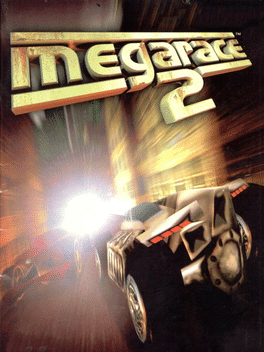
star 7.9This game also features host, Lance Boyle, played by Christian Erickson. In this installment of the futuristic racing series, you are once again the "enforcer" and you are once again attempting to win a series of races against computer opponents, by finishing in first place, or destroying their cars, automatically disqualifying them. Additions to this game are vast, especially concerning ways to destroy your opponents' vehicles, and ways they will destroy yours. Race tracks are more detailed and often more challenging. The cars are now also rendered in 3D.Monster Truck Madness
1996
star 7.9One of the best selling auto-racing games on the PC comes to Game Boy Advance with a variety of vehicles and tracks for the some stompin' good fun on the go. Get behind the steering wheel of the world's most powerful vehicles as they crush, splatter, jump, and roll their way to victory.Öhlins Hyper-Rally
1996
Öhlins Hyper-Rally
1996
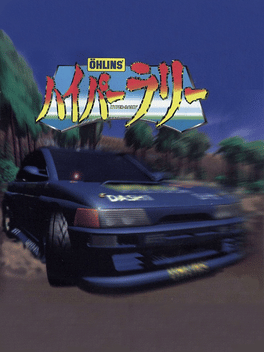
A 1996 PlayStation racing game with the license of automotive supply brand Öhlins.Road & Track Presents: The Need for Speed
1996
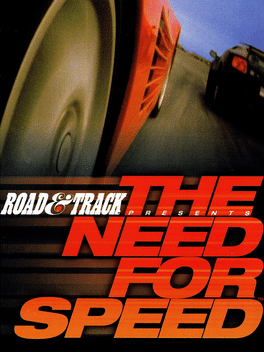
Road & Track Presents: The Need for Speed, later released in Japan as Over Drivin’, is a 1994 racing video game first released on the 3DO and then ported to MS-DOS, PlayStation and Sega Saturn. It is the first installment released in the Need for Speed series. The premise of the game involves racing in sport cars, including several exotic models and Japanese imports. The Saturn version expanded the content with three additional closed-circuit track courses, for a total of six tracks available at launch, and also allows users to select the time of day which is not seen in older versions.HoverRace
1996
Motor Toon Grand Prix
1996
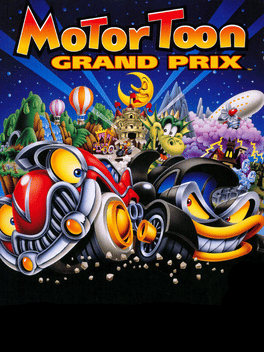
Motor Toon Grand Prix 2 is a racing game whose development is considered a lead-in to the Gran Turismo series. It was developed by a development group within SCE that later formed Polyphony Digital. It was released in the US as Motor Toon Grand Prix, since its predecessor never left Japan. In 2002, the game was re-released in Europe in a Twin Pack with Gran Turismo, Kazunori Yamauchi's following game. In 2010, the game was re-released on PlayStation Network. The game is compatible with Namco's neGcon analogue controller.Deadheat Road
1996
Deadheat Road
1996
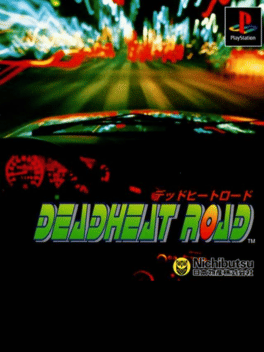
Deadheat Road is a classic racing game in which the player compete in a racing againts a computer player car. The races usually starts in the night and ends with the daylight. The game features different cars for the player to choose and different circuits (west and east ones). The cars can also be customized.Tokyo Highway Battle
1996
Tokyo Highway Battle
1996
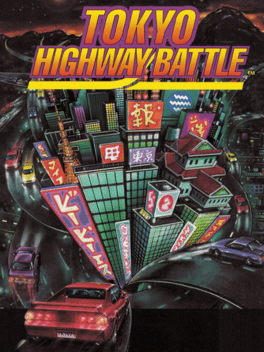
star 7Players navigate through three Tokyo highway circuits driving one of 72 high-performance sports cars. While driving, players earn valuable points which are used to purchase upgrade parts for their vehicle. To ensure the most realistic gameplay, developers Bullet-Proof Software, enlisted the guidance of racing champion, Keiichi Tsuchiya and automotive specialist, Masaaki Bando Under their supervision, Bullet-Proof painstakingly recreated the physics and handling of each race car. The Saturn release, only released in Japan, included many more videos and starred the Drift King himself through these cutscenes.Super Kyoutei 2
1996
Super Kyoutei 2
1996
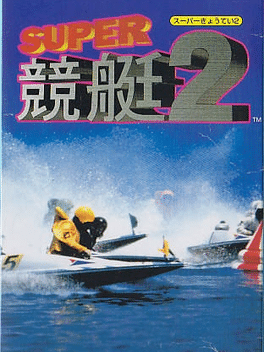
Super Kyoutei 2 is a Racing game, published by Nichibutsu, which was released in Japan in 1996.GT Racing
1996
GT Racing
1996
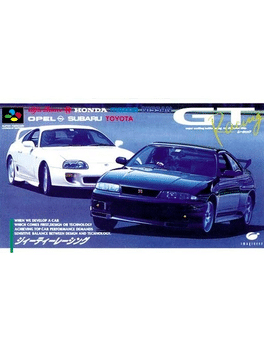
GT Racing is a Super Famicom racing video game where the player gets to drive a Gran Turismo car in either championship or practice mode. The game is based on the 1996 Super GT racing season using the horsepower standards and rules of the era. During championship mode, the player is asked enter a number, his or her driver's name, and the team name that he or she will use during the championship. The driver's name and team can be entered using either English or Japanese letters. When a player beats a record, he or she is asked to insert his or her number, name or initials (up to four characters and two digits for the number). Championship mode can last for multiple seasons. Playing ninety-nine seasons in a single racing career is theoretically possible due to the double-digit nature of the season information. There are eight different tracks, including the Suzuka Circuit that has been shown in video games since Pole Position II and Fuji Speedway (complete with a virtually photorealistic Mount Fuji in the background