New Racing Games - Page 136

Super Skidmarks
1995
Super Skidmarks
1995
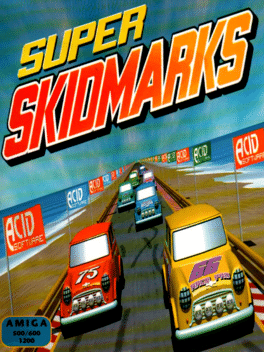
star 5.9Super Skidmarks is a racing video game developed by Acid Software and released in 1995. The game is the sequel to Skidmarks and as such was also termed Skidmarks 2 and Super Skidmarks 2 by commentators. The game features “minimally realistic” action viewed from an isometric perspective as well as novelty vehicles such as wheeled cows and caravans. Various methods such as joypad adapters and link systems are employed to allow multiple players to compete, up to a maximum of 8. The game was critically acclaimed and a best-seller in the UK. Several upgrades to the Amiga original were released as well as conversions for the Amiga CD32 and Sega Mega Drive, the latter published by Codemasters.Zone Raiders
1995
Zone Raiders
1995
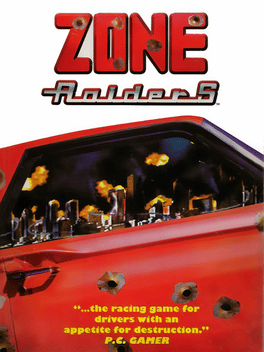
Zone Raiders is a fast-paced, real time driving combat game that takes place in a futuristic, 3D graphics environment. In the game, the player is an independent Raider who must enter a zone and retrieve, destroy, or activate various items, and then escape successfully. In order to get at these items the player must battle enemy vehicles which, like the player's vehicle, resemble ancient automobiles from the mid to late 20th century, enhanced with hover plates and heavy artillery.Hi-Octane
1995
Hi-Octane
1995
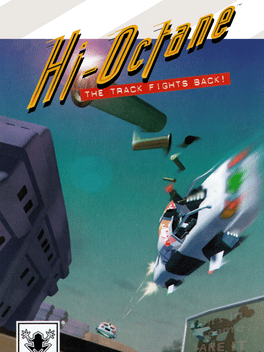
star 6.7Hi-Octane is a racing/vehicular combat video game released in 1995 for the PC, PlayStation and Sega Saturn developed by Bullfrog and based upon their earlier Magic Carpet game code. It is notable amongst racing games for its wide and open tracks, and the resulting freedom offered to the player, and also for its excessive speed. It suffered in the marketplace due to thematic similarities with the better received Wipeout by Psygnosis and the generality of its graphics engine made for a very short depth of view compared to contemporary racing games. Hi-Octane is rumored to begin life as something several Bullfrog programmers coded in free time, and then decided to improve the game and market it under the auspices of Electronic Arts. Another version of the legend is: EA set Bullfrog under pressure to release Dungeon Keeper or Magic Carpet 2 - but they weren't able to. So they released Hi-Octane, a quickly done game. In a Gamasutra article it was mentioned that "PC and Saturn racing game Hi-Octane, was developed in jAutobahn Tokio
1995
Autobahn Tokio
1995
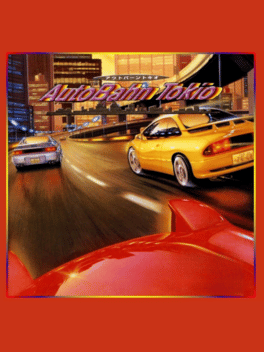
Autobahn Tokio is a racing game released only in Japan for the 3DO. Players can select from four unnamed cars with different characteristics, loosely based on real car models. Three tracks are available - a city at night, a coastal highway, and a forest track. Players race against one CPU opponent, while trying to hit checkpoints in the quickest time possible. Both automatic and manual transmissions are available for each car. Cars cannot be tuned, and there is no two-player option. Despite being released only in Japan, all menus and game text is in English.Locus
1995
Locus
1995
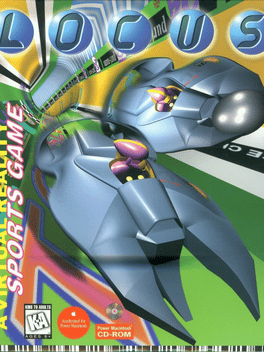
Locus is going to take your eyes and ears for a ride! It's the ultimate multiplayer VR game! Network up to 9 players or go head to head with one of 12 computer teams! Locus is about speed. It's about action on the floor. Action on the walls... on the ceiling. Non-stop action everywhere you turn. It's about bashing your opponent to get the ball... and not getting creamed in the process. It's simple. Move. Crush. Score. Do it again. Until you are victorious and ready for the next challenge... the next arena... your next chance to become LOCUS.Atari Karts
1995
Atari Karts
1995
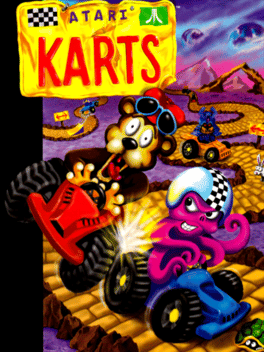
A go-cart free for all! In Atari Karts you'll race around the track with some of the craziest creatures around. Watch out for the objects lying on the road. Some are bonuses that will help you get ahead, but those hazards can be nasty. They'll cause you to slow down or mess with your driving controls. Try to outdistance your competition and finish fourth or better to move on to the next course. Kids of all ages will love this game!Ridge Racer Revolution
1995
star 6.9Ridge Racer Revolution is the PlayStation sequel of Ridge Racer. Like the original Ridge Racer, the player races against eleven other computer-controlled cars. The game adds two hidden cars for the player to unlock, and 2-player support.Manx TT Super Bike
1995
Manx TT Super Bike
1995
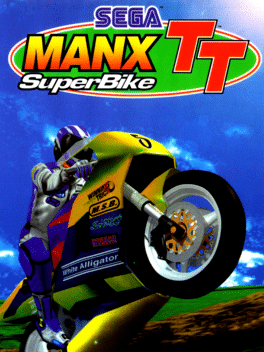
star 7.7One of the best games ever on the Saturn. Manx TT Superbikes recreates the top-speed twists and turns of the legendary Isle of Man TT circuits. Throw your high-powered superbike round country lanes and hurtle through villages at hair-raising speeds as one or two riders push their nerves to the absolute limit on the circuit where heroes are made!Zero-4 Champ RR-Z
1995
Zero-4 Champ RR-Z
1995
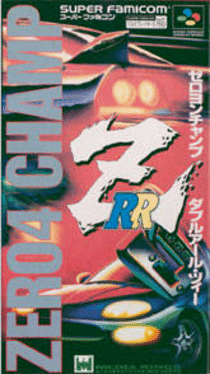
A drag racing game based on the illegal "zero-4" street race. The second of two Super Famicom games in the series.Road Rash III
1995
Road Rash III
1995
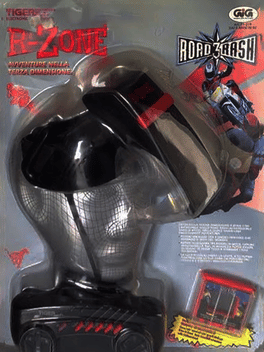
In this port the core premise remains faithful to the Road Rash franchise: you are a street racer tearing down public highways to climb the ranks of a brutal racing circuit. The R-Zone adaptation forces players to balance absolute speed with active tactical defense in a highly restricted visual space.V.R. Virtua Racing
1995
V.R. Virtua Racing
1995
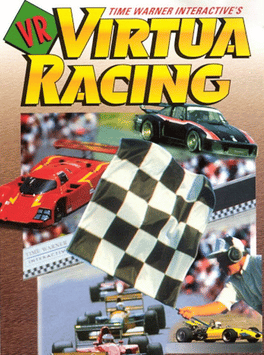
Virtua Racing is a polygon-based racing game in which you must beat an opponent, who is either human or computer controlled. In the conversion to the Saturn, many new features were added: 7 new tracks, which brings the total number of tracks in the game to 10. 4 new cars, which brings the total number of cars in the game to 5. The new cars are a go-kart, a Porsche 911, an F-160 racer, and a GTP-class car. A new Grand Prix mode. The Grand Prix mode is a career simulation. You must work your way up from one class of vehicle to next be accumulating points in a series of races.Zen-Nihon GT Senshuken
1995
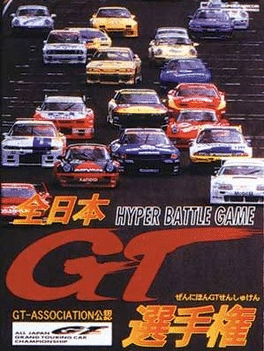
Zen-Nihon GT Senshuken is a racing game published by Banpresto and Kaneko, and is part of Kaneko's All-Japan Grand Touring Car Championship series based on the real-life circuit. The game rapidly switches angles depending on the direction the player is driving, often moving between horizontal, vertical and diagonal perspectives.Hang-On GP
1995
Hang-On GP
1995
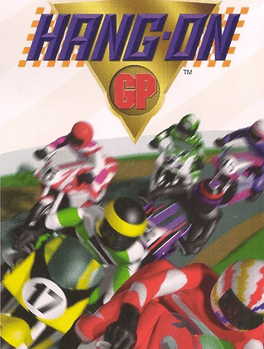
Hang-On GP features three tracks: Albatross Cliff Reef, Great Crimson Wall, and New Dwells. Each track contains an additional route that becomes available after a high placing. This makes a total of six possible races. Players can choose from among ten motorcycles to use during a race as well as an automatic or manual transmission for each. Players can also decide how the bike should control, highside or power slide. Placing in the top three on any of the first three tracks will release the additional routes. When players place in the top three on the additional routes an endurance mode will be available. In endurance mode players attempt to complete as many laps as they can in 10 minutes.SD F-1 Grand Prix
1995
SD F-1 Grand Prix
1995
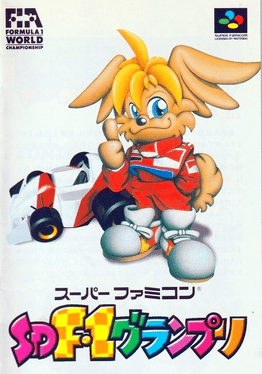
SD F-1 Grand Prix is a Racing game, developed and published by Video System, which was released in Japan in 1995. It features animal versions of real-life drivers such as Michael Schumacher and Ayrton Senna.Micro Machines: Turbo Tournament 96
1995
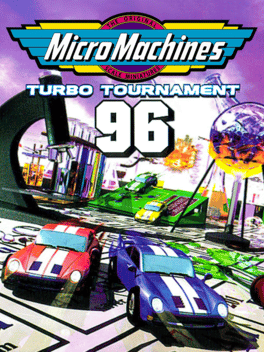
star 8.3Micro Machines: Turbo Tournament 96 is a sequel to Micro Machines 2: Turbo Tournament, released exclusively on the Sega Mega Drive in Europe.Destruction Derby
1995
Destruction Derby
1995
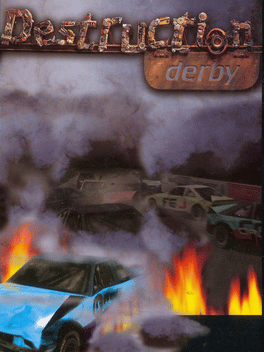
star 7.3With no rules, no limits and no pit stopping, anything goes in this collision course of crumple zones, hit & run mayhem, and street level slamming where wrecking your opponent's motor in ultra-realistic smashes and crashes is the name of the game. Take on the rigors of a full Championship season and pit your wits against a motley crew of psycho-waster racers such as the Suicide Squaddies, Skum and The Optician as you storm up the rankings from Rookie to Pro. Reckon you can handle it? Destruction Derby works with a serial link cable for two player head-to-head action.Ace Driver: Victory Lap
1995
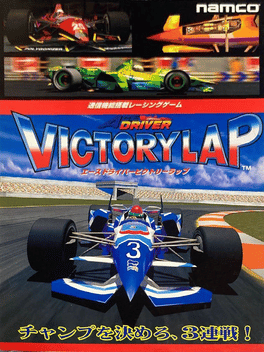
Ace Driver Victory Lap is a sequel of is a 3D racing arcade game released by Namco in 1995, featuring more tracks and Formula One cars (which all, again, carry advertisements for older Namco games) than its predecessor, as well as a new championship mode, all in a modern futuristic setting.Wipeout
1995
Wipeout
1995
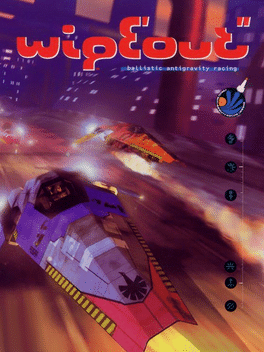
star 7.1Wipeout is a racing game that is set in 2052, where players compete in the F3600 anti-gravity racing league. The game allows the player to pilot one of a selection of craft in races on several different tracks. There are four racing teams to choose from, and two ships for each team. Each ship has its distinct characteristics of acceleration, top speed, mass, and turning radius. By piloting their craft over power-up pads found on the tracks, the player can pick up various weapons and power-ups such as shields, turbo boosts, mines, shock waves, rockets, or missiles. The power-ups allow the player to either protect their craft or disrupt the competitors' craft.Human Grand Prix IV: F1 Dream Battle
1995
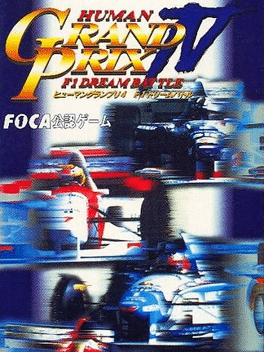
Human Grand Prix IV: F1 Dream Battle is a Formula 1 licensed game from Human Entertainment and the fourth game in their Human Grand Prix/F1 Pole Position series. It would be the last Human Grand Prix game to be released on Super Famicom: the fifth and final game in the series, F1 Pole Position 64, was instead a 1997 N64 game. Similar to the third game in the franchise, this game never saw release outside of Japan but did have all in game text in English. It also features the real teams and drivers of the 1995 F1 season, as well as a number of the official F1 courses.