Most Popular Racing Games - Page 177

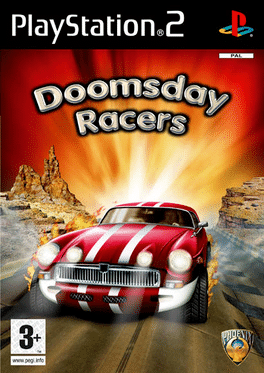
Doomsday Racers
2005
Doomsday Racers
2005
Doomsday Racers is a Racing game, published by Phoenix Games, which was released in Europe in 2005.D1 Professional Drift Grand Prix Series
2005
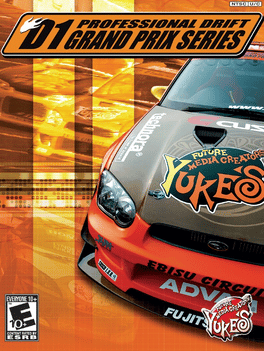
D1 Grand Prix recreates the exhilarating art of drifting, including all the cars, tracks, drivers and physics that has made the D1 Grand Prix the pinnacle series in drift racing. Players will be able to select from 39 American and Japanese drivers, as well as vehicles from Toyota, Honda, Mazda, Subaru, Pontiac, and more. In Japan, this is the second D1 Professional Drift Grand Prix Series game (short: D1 Grand Prix). Updated D1 Grand Prix data from the 2005 racing season is included, as are new cars and new courses, including more than ten technical courses. Also features GT Force and GT Force Pro wheel support. For American gamers (this being the first of the series here), the game has been kept close to the Japanese original (including all the real pro Japanese drivers). A tutorial mode is added to teach players the unique demands of professional drift racing, and the game's brutal commentator team has been redone with snide English-language voices.Moorhuhn Fun Kart 2008
2008
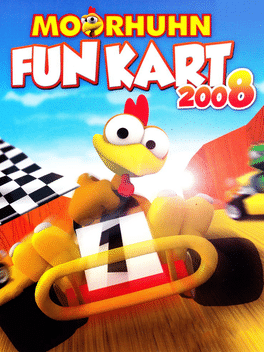
Moorhuhn: Fun Kart 2008 is a kart racing game starring Moorhuhn (Crazy Chicken) and friends. The eight racing tracks range from a barnyard to beaches to a desert with pyramids in the back ground. Power-ups can be picked up and used on opponents while racing. The player can choose between seven different characters, including two chickens, a frog, turtle, snowman, scarecrow and mole. The game offers three modes: a Championship (two championship each with four tracks), time challenge and two player mode. Kart classes included are 50cc, 100cc and 150 cc.Riding Spirits II
2004
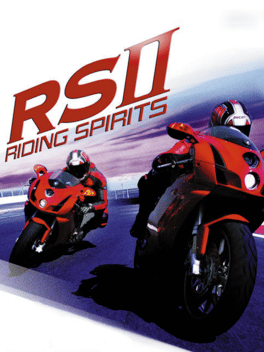
Riding Spirits II
2004
Riding Spirits II adds more bikes, tracks and gameplay modes to deliver the PlayStation 2's most comprehensive road bike racer. Gamers can now take to the road with faithfully reproduced motorcycles from famous European manufacturers such as Ducati, Aprilla, Triumph and BMW in addition to top models from Honda, Kawasaki, Yamaha and Suzuki plus Japan's most famous tune shops Yoshimura and Moriwaki. And with engine sizes from 250cc to over 1000cc available Riding Spirits II boasts an impressive 330 bikes, that can be raced in 40 categories around 15 courses from across the globe, including Suzuka and Twin Link Motegi.Monster Trux Extreme: Arena Edition
2004
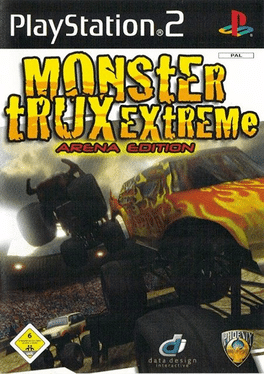
Monster Trux Arenas lets you drive these awesome, monstrous machines in some of the toughest arenas known to man. Unleash the power and hold on tight cus in this gameyou have to tame the beast!!!Super Trucks Racing
2002
Super Trucks Racing
2002
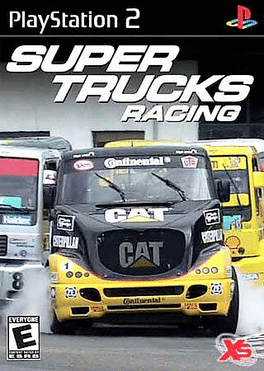
Developed by the same team responsible for the MTV Music Generator series, Super Trucks Racing is a truck-based driving title that offers every official Super Trucks driver, sponsor, circuit, logo, and locations from the 2002 season. Its most renowned feature, however, is likely its physics engine; which is definitely among the most realistic of the time.Sprint Car Challenge
2005
Sprint Car Challenge
2005
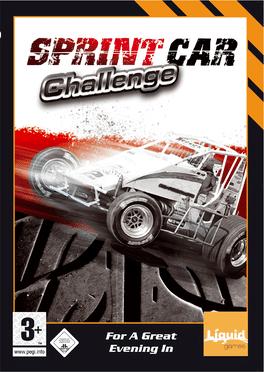
Sprint Car Racing is perhaps the most extreme, and most electrifying of all of the world`s motorsports. Compensating for their light weight and huge power, these beasts use enormous spoilers and wings to keep themselves on treacherous tracks. Drivers slide around corners sideways and spectacular collisions are frequent, as the cars jostle in tight packs. There is no other sport like it! And now, you can experience the frantic racing action for yourself.International Super Karts
2005
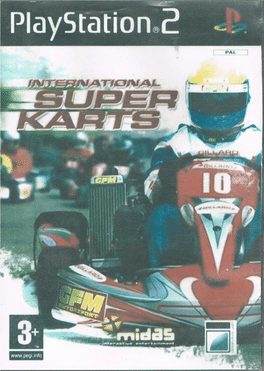
Racing across the tarmac only inches above the road, International Super Karts gives an adrenaline rush like nothing else. Using every ounce of your driving skill is a must in these high-speed, lightweight vehicles. Take part in a variety of championships, exhibition races and time trials to earn extra vehicles and claim the Karting crown.Superbike GP
2005
Superbike GP
2005
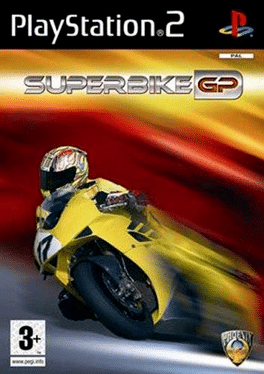
Experience the full on thrills and spills of a high-speed Superbike competition. You will have to drive fast, play hard and watch your back. There are miles and miles of unrelenting track to cover before you can be crowned the champion as you speed through chicanes, power-slide around corners as you race for the chequered flag.Super-Bikes: Riding Challenge
2006
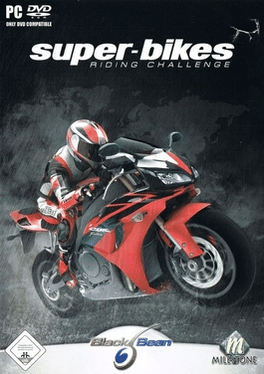
Experience first hand the acceleration, speed and sheer untamed power of over 40 of the world's super bikes from the Honda CBR1000 to the Ducati 999R. Race on circuits such as the new Assen and Laguna Sega; through cities including London and Berlin; Or blast through lusciously recreated country runs from Corsica to the Scottish Highlands. Unlock the world most popular machines from manufacturers like Ducati, Honda and Yamaha in the career and trophy mode, or hone your skills to perfection in the free ride and challenge modes. Separate control for the bike and rider position delivers the ultimate precision motorcycle racing experience. Individually modeled, manufacturer approved bikes featuring the same acceleration, weight, balance and cornering ability as in real life.Ford Mustang: The Legend Lives
2005
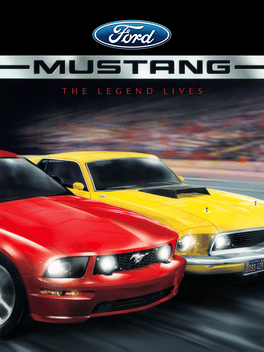
Since April of 1964 the Ford Mustang has sold over 8 million vehicles and has generated a strong following of enthusiasts, aftermarket manufacturers, websites, and publications - all dedicated to this iconic vehicle. "Ford Mustang" provides incredible graphics and "pick up and play" gameplay - at a value price. Drive the hottest cars from the 40 year history of the Mustang on 22 tracks in 7 U.S. cities. The game features 40 authentically rendered production, concept and racing models from 1964 to 2005, offering arcade-style racing physics and realistic AI, from opponents as well as from obstacle traffic. Compete in "coin-op" style Challenges or Career Mode to unlock new cars, tracks and game modes while testing your skills to the limit. Also included: split screen Multiplayer support for Head-to-Head racing.Tokyo Road Race
2001
Tokyo Road Race
2001
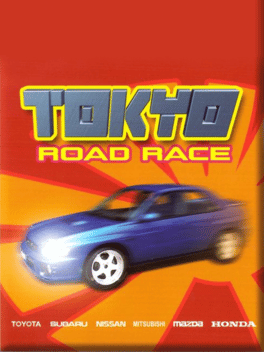
Take to the road in this white-knuckle thriller of from Taito. Choose from a wide selection of Japanese car manufacturers to race, from regular family saloons, to high powered rally cars. Contend with the varying conditions that courses throw at you, from the early morning mist to snow covered terrain. Features include six different car manufacturers, 40 various automobiles, ten courses, and three game modes.Euro Rally Champion
2004
Euro Rally Champion
2004
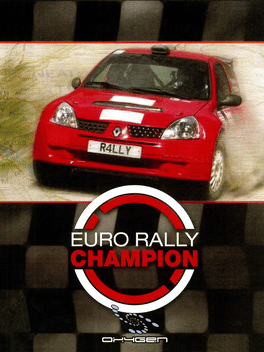
Dirty drivers must test their skill against the elements, as well as against the clock, in the Championship mode raced across densely wooded forest trails, treacherous Alpine passes and the extremes of the African desert. Featuring realistic tuning and modification of your mud-spattered vehicle, it's not just your rallying career youll build up as you race - every part of the car that can be tweaked in reality can be honed in Euro Rally Champion for a fully-customisable rally experience. But even if you don't know your "rear differential" from your "toe-in" you won't be left choking on the starting grid as Euro Rally Champion gives drivers all of the adrenaline and emotion of an arcade racer as well as the precision and realism of a true simulation. In addition to the single player Time Trial and Championship modes, you can go head-to-head in "foot to the floor" multiplayer sessions. Budding stunt drivers and those who simply fancy flipping their car without the risk of fractured limbs and bruised pride can even buTokyo Xtreme Racer: Zero
2001
Tokyo Xtreme Racer Zero is a racing game developed by Genki for PlayStation 2. Despite its name, it is set between Tokyo Xtreme Racer 2 and Drift, and has enhanced sound and graphics. The game was released in Japan as Shutokou Battle 0, but was also a release in North America. The game was released in a PAL version in Europe and Australia under the title Tokyo Xtreme Racer (not to be confused with the Dreamcast title of the same name). This is the first game in the series that has been released on a platform other than the Dreamcast. Zero was originally to be released on the Dreamcast but was then canceled and moved to the PlayStation 2. The Tokyo Xtreme Racer series has produced a total of six games, the first four being U.S. localizations of the first four Shutokou Battle series games and the final two being U.S. localizations of the first and third Kaido Battle series games.Rumble Racing
2001
Rumble Racing
2001
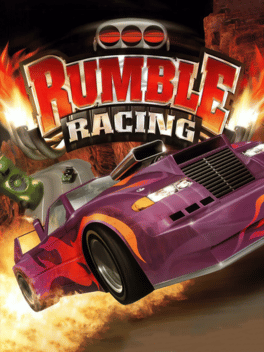
Rumble Racing is muscle car mayhem for the next millennium. Race outside the lines and push custom cars to the limit with big air stunts and nasty tricks as you race for the Rumble Championship. Unlock new worlds and new tracks with each Gold Cup victory, racing alone or partnering up with a friend.Top Gear: Dare Devil
2001
Top Gear: Dare Devil
2001
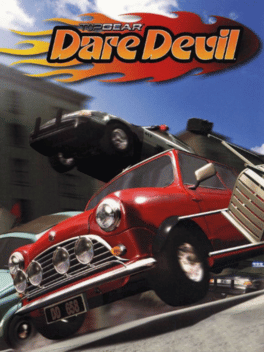
Top Gear: Dare Devil is a game for the Sony PlayStation 2 that involves driving around the cities of Rome, London, Tokyo, and San Francisco. This game consists of Single player and multiplayer. In single player, the player drives around one of the four cities, collecting Dare Devil coins. If all Dare Devil coins in a level are collected, the player unlocks a secret car. What also can be collected are keys and wrenches that open up bonus missions. After winning a bonus mission, the player can unlock a paint job for the car used. The player can also free roam around cities. In multiplayer, there are three game modes: Lap Racing Bomb Tag Coin GrabXtreme Speed
2004
Xtreme Speed
2004
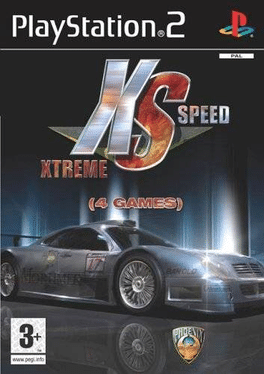
Xtreme Speed is a Racing game, developed and published by Phoenix Games, which was released in Europe in 2004.RC Revenge Pro
2001
RC Revenge Pro
2001
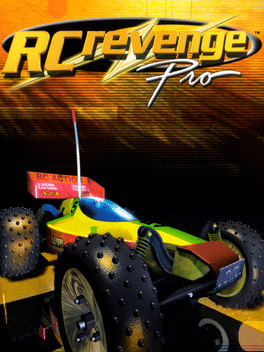
Grab the controls and hold on for dear life with the most electrifying, high-speed racing experience available. Race and wreck in enchanting movie-theme worlds, kick it into overdrive with over 30 super-flying vehicles, and blow away the competition with outrageous weapons in the most electrifying racing experience available! Previously known as Revolt 2: Pocket Rockets, this RC vehicle racer graces the 128-bit system with all the slick track designs, great weapons balance, and dead-on control that made the PC and Dreamcast versions such a hit. Luckily, developers from Acclaim's Cheltenham Studios have taken full advantage of the PlayStatation 2 hardware--no longer will tracks be confined to suburban neighborhoods and museums. RC Revenge goes all out to deliver the goods with environments like desert islands and villages wrapped nighttime slumber. And the best part of it all? A level editor for the creative gamer is set to keep the replay value on highCar Racing Challenge
2006
Car Racing Challenge
2006
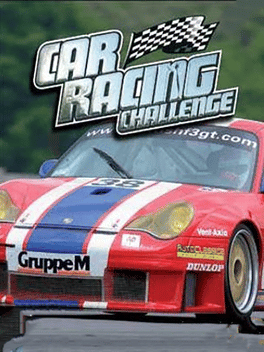
Car Racing Challenge is a Racing game, developed by Tamsoft and published by 505 Games, which was released in Europe in 2006. The game is a rebranding of the japan only game The Tousou Highway: Nagoya-Tokyo.Motorbike King
2003
Motorbike King
2003
Motorbike King is a Racing game, developed by Tamsoft and published by D3Publisher, which was released in Japan in 2003.