New Mac Games - Page 223

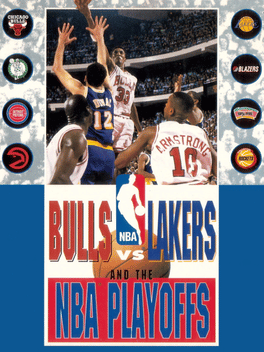
Bulls vs Lakers and the NBA Playoffs
1991
Bulls vs Lakers and the NBA Playoffs is a basketball video game developed by Electronic Arts and released in 1992 exclusively for the Sega Mega Drive. The game is the sequel to Lakers versus Celtics. The game's name refers to the previous season's NBA championship series, the 1991 NBA Finals matchup between the Chicago Bulls and Los Angeles Lakers. It is the second game in the NBA Playoffs series of games. Although there is no SNES version for Bulls vs Lakers, the SNES (and first) version of Bulls vs. Blazers was heavily based on Bulls vs Lakers, with the later Mega Drive version introducing a few changes from this. Bulls vs Lakers introduced a television broadcast-style presentation with a fictional television network, "EASN", the Electronic Arts Sports Network. It was the first team basketball game to feature an in-game instant replay feature. Bing Gordon, the Chief Creative Officer of Electronic Arts, was featured as the game announcer. This was also the first game to depict NBA team logos on the courts. GameSoccer Challenge
1990
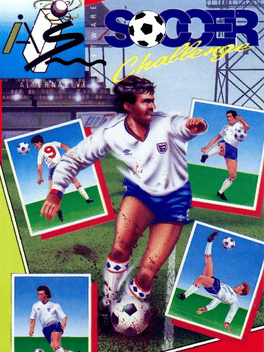
Soccer Challenge
1990
Soccer Challenge is a series of mini-games designed to 'hone your skills' in some of the key disciplines of the sport (tackling, passing and penalties) before taking on a stamina building assault course.GlobeTrotter
1990
Barbie Tennis
1990
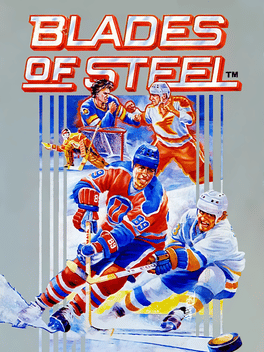
Blades of Steel
1990
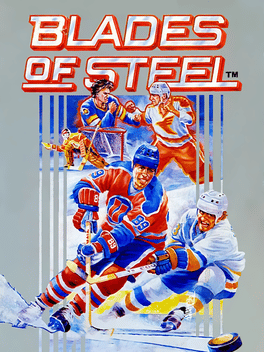
Blades of Steel
1990
Blades of Steel
1990
Sega Soccer
1990
Sega Soccer
1990
Sega Soccer is a port of World Cup Italia '90, released inside compilations in Europe. This version of the game removed the license from FIFA and mentions any mentions of Virgin Mastertronic (the previous publisher).NFL Football
1990
NFL Football
1990
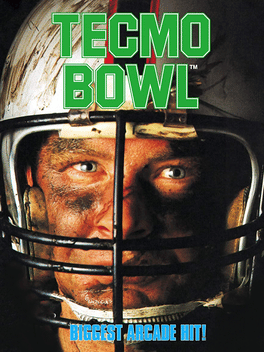
NFL Football is a football game based on the American NFL. The player can only participate in exhibition matches and has the choice between 28 teams which differ slightly in speed. Before a play, the player has the option between several tactical approaches (six in offense, seven in defense) and then the player directly controls the active athlete who is marked with an arrow. After a ball throw the control switches to the receiving athlete and the player has to catch it. Punts and kickoffs are automated.Tecmo Bowl
1990
Bo Jackson Football and Baseball
1990
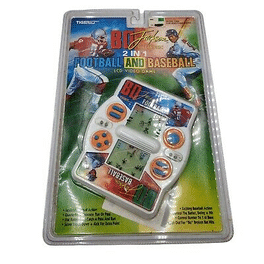
Handheld electronic game released on 1990. The players hold the side they want to play.Nekketsu Koukou Dodgeball-bu: Soccer-hen
1990
Nekketsu Koukou Dodgeball Bu: Soccer-hen is a port for the Sharp X68000 of the Famicom game with under the same title in Japanese.Soccer Director
1990
Soccer Director
1990
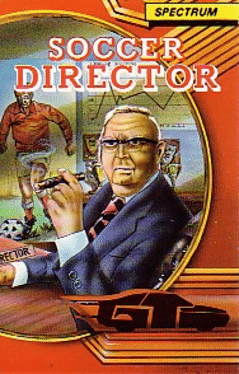
Weird soccer manager for spectrum where you place bets on the outcome of the matches or buy shares of the teams.The Pro Yakyuu
1990
The Pro Yakyuu
1990
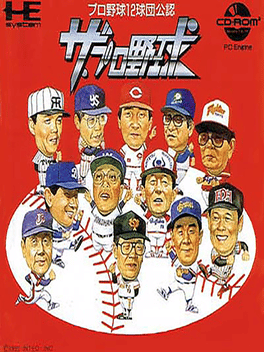
The Pro Yakyuu is a baseball game that allows players to compete in Japan's professional baseball league, with licensed team and player names. Versus mode allows competition between two players; in a friendly game, the computer AI chooses an opponent for the team selected by the player; the "Open" mode is a tournament in which players can assign controllable teams to themselves and to the AI. The game itself can be set on "Action", "Simulation", or "Auto" mode, with varying degrees of realism. Pitchers and batters are controlled from a third-person view, while baserunning is viewed from an overhead perspective.Tennis Cup
1990
Tennis Cup
1990
Tennis Cup is a split-screen tennis game with the camera closely positioned at the athlete's back. The available playing modes are exhibition match (either single or double), training, the Davis Cup or the four Grand Slam tournaments. The player either controls one of the 32 available tennis athletes or creates a new one. Then there are 30 points to divide between abilities (e.g. forehand or volleys). This athlete can be saved to disk and further improved during the course of time. For exhibition matches, the opponent can be built the same way.Poli Díaz
1990
Poli Díaz
1990
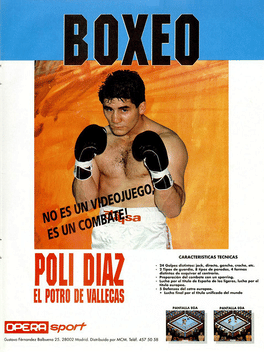
Poli Diaz is a boxing game protagonized by the Spanish boxing star of the late eighties, Policarpio Díaz. This game uses an isometric perspective where two boxers revolve around the center of the ring, with no possibility of going back, and we observe it from a corner of the quadrilateral. The options menu is the usual: one or two player mode, choose the control type and the number of assaults and lenght of the same.Italia 1990
1990