Most Popular Playstation 2 Games - Page 332

The Krion Conquest
1991
The Krion Conquest
1991
Once upon a time, long long ago, the world was experiencing great ruin. Enormous animals were bestowed upon the earth to create terrible pain and hardship for the people. The people were desperate, so they called upon the Old Witches' World for help. Thence came Francesca, a gracious witch with great powers. She fought and saved the world from these terrible creatures. The land began to flourish again and the people worked peacefully together to rebuild their wonderful cities. All was well. Now, we too are experiencing serious turmoil. Terrible horrid beings called Krions have decended upon our planet. We are prisoners and we are losing hope. Francesca, we need you. If you are out there, please come.The Jetsons: Cogswell's Caper
1993
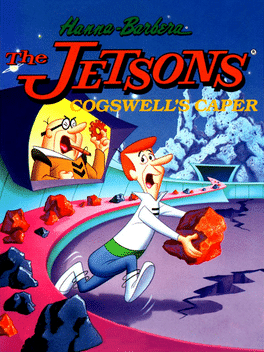
George must save Planet M38 from Cogswell's destruction! Elroy, Jane, Judy, Astro and Rosie the Robot will give George the things he needs to meet the challenge. Using his anti-gravity boots, glider, and jet board, George will be walking on ceilings, dodging aliens and flying through danger on his way to stop Cogswell. Leap into the future and rescue another world with the JETSONS!Kid Kool and the Quest for the Seven Wonder Herbs
1990
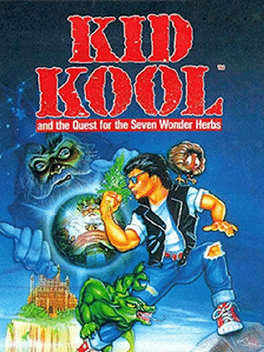
Kid Kool and the Quest for the Seven Wonder Herbs is a 2D Platformer game, developed and published by Vic Tokai, which was released in 1988.King of Kings: The Early Years
1991
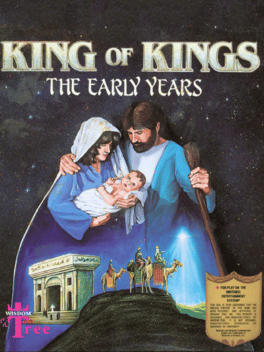
Experience the majestic birth and childhood of Christ as you proclaim His honor and endevor to experience the prophecies. Collect gifts for Baby Jesus; escape to Egypt to avoid the wrath of King Herod; and search for young Jesus in the holy city of Jerusalem. Test your Bible skills by answering scores of Bible questions designed to compliment the game play.Kiwi Kraze: A Bird-Brained Adventure!
1991
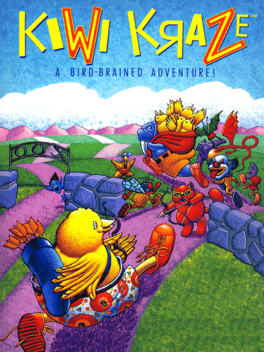
When Wally the Walrus kidnaps 20 of your your kiwi pals, you rush to the rescue. As Tiki the kiwi bird, that's not so easy - you can't fly and you wouldn't hurt a flea. But Wally's stashed your friends in dangerous spots all over New Zealand and it's up to you to save them. Beak up, Tiki! Just rely on your quick wit and fast footsies. And keep your bow and arrow on the draw, because every Kiwi Kraze creature you meet will try to do you in - from playful penguins to ornery octopi. Hurry up! Better find your birdie buddies in time. Wally's got himself a kiwi cookbook, and your friends are the main ingredient!Big Nose Freaks Out
1992
Big Nose Freaks Out
1992
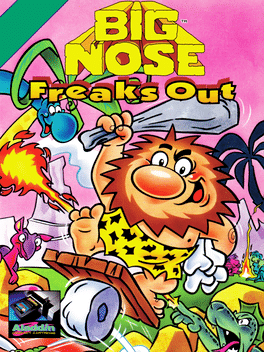
Big Nose Freaks Out is a platform game for the NES, produced by Codemasters and published by Camerica. The player controls a cave man character who has had all his bones stolen from a prehistoric bank by a dinosaur. Bignose sets off on an adventure through numerous prehistoric settings. Bignose defeats enemies using a club, however he also has access to a primitive skate board device (stone-boarding), via his invention - the wheel. The game is essentially a platform game in which the player collects bones and other items, while travelling from left to right until reaching the goal. B.N.F.O also had a two player mode and the addition of numerous secret levels and bonuses. Big Nose Freaks Out has become popular as more people have access to the ROM file through emulation websites.Circus Caper
1990
Circus Caper
1990
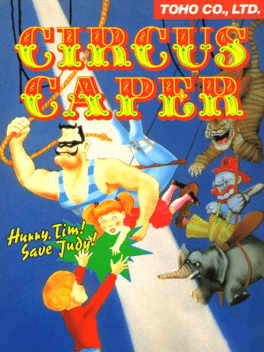
The single-player, side-scrolling action game takes the player through various levels, each with a circus theme, fighting various enemies and bosses until he finally defeats the ringmaster and save his sister. The player start out in the game with little life and few weapons, but he can collect various icons to increase how many direct hits that he can withstand, keys to open doors, along with various circus items to shoot as projectiles. Many of the levels can be avoided altogether by just walking backwards and back through the curtain from where the player begins. This will take him right to that level's boss battle. Bonus levels include such fun things as guiding a bear to jump over flames, avoiding boulders in a car, using Rodan as target practice and meeting Godzilla at the circus grounds.Demon Sword
1990
Demon Sword
1990
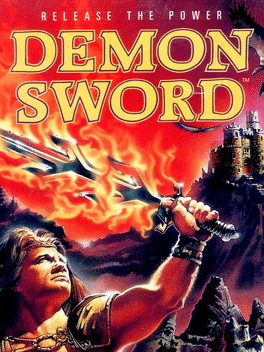
The game starts out with an evil demon ruling over the world and its inhabitants, who live in fear of it. However, a man named Victar, who comes from a small village, has a sword that can destroy the demon. The blade had previously been split up into pieces, though, and Victar must travel through three worlds to get back the three broken pieces in order to restore the sword to defeat the demonChubby Cherub
1986
Chubby Cherub
1986
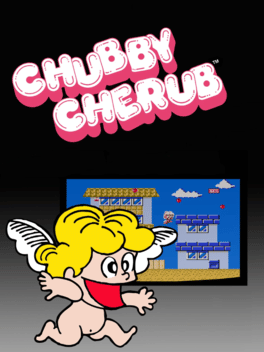
Chubby Cherub is a comedic action platformer. Chubby has to cross 12 levels, and at the end of each the protagonist will find his friends. Eating food maintains Chubby Cherub's flight. If the flying meter goes all the way down, the character will have to stay on ground. The character will bark at the dogs before they bark at the character; if a bark hits the character, the character may die.Low G Man: The Low Gravity Man
1990
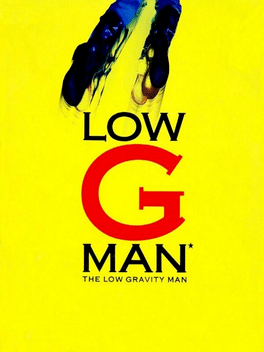
You are the Low Gravity Man! When powered up, you can jump one and three quarters screens high. Capture and use enemy vehicles, including the spider vehicle which can crawl on ceilings. Catch and power up enemy weapons, and much, much more. Your mission is to take back the robot-producing exploration planet from the evil aliens before they reprogram all of the robots for the destruction of the human race. Includes password, infinite continue, and multiple quests for long-term enjoyment!Happily Ever After
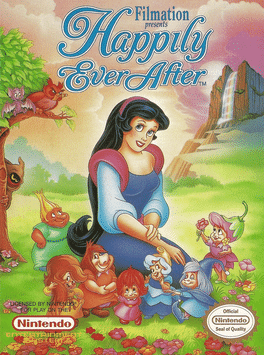
The classic fairly tale is back... with all new enchantment and a new twist!!! Snow White's beloved prince has been captured by the evil Lord Maliss, the evil brother of Snow White's equally evil stepmother, the wicked queen. Helping Snow White rescue the prince are the magical Seven Dwarfelles, the female cousins of the original Seven Dwarfes. Guide Snow White along her perilous journey through Lord Maliss' sinister kingdom to save the prince as he once saved her. Turn about is fair play... and FUN play!!! Based on the hit feature film "Happily Ever After".Hugo: Magic in the Trollwoods
2009
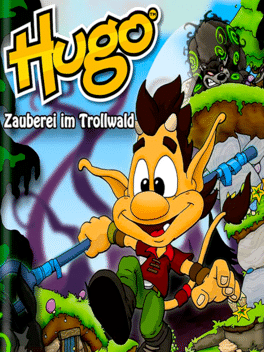
Join Hugo's adventure in the Trollwoods and help him fight evil lurking in the woods.Phineas and Ferb
2009
Phineas and Ferb
2009
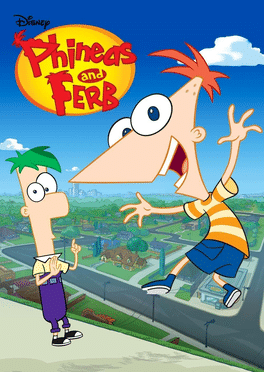
The fun never stops as you attempt to save the world as the Secret Agent P in a battle against the evil Dr. Doofenshmirtz! There's a whole lot of stuff to do before school starts and Phineas and Ferb plan to do it all...Caverns of Titan
2005
Caverns of Titan
2005
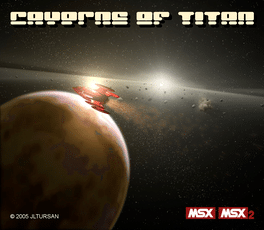
In the year 2045, the European Space Agency launched the second tripulated flight to the biggest moon of Saturn, Titan. The first one, launched by the NASA organisation five years ago, lost contact with NASA flight control center while entering Titan's atmosphere. Now the new mission is arriving to its end and you can guess what happened to the crew of the first flight. A unexpected and dense rock belt surrounds the moon and one of those babes has seriously damaged the hull and the main computer. Even worse, most of your repair material has been sent out of the ship and has fallen over Titan. Now it's time to wear your spacesuit, take your sensors and with your exploring probe, land into the moon and recover all the material lost. Be quick!, your oxygen reserve is low!Super Boy III
1991
Super Boy III
1991
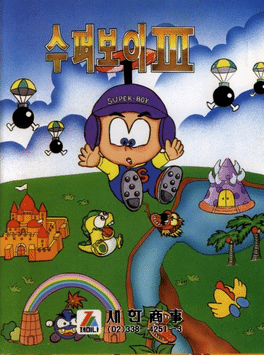
Super Boy 3 is the third Super Boy game, made by Zemina. The game has been drastically changed since the first two titles. Instead of being another variant of Super Boy I, the game has an all-new setting and story. Instead of having graphics ripped from the original Super Mario Bros., the game features graphics ripped from Super Mario World, but with reduced colors to fit the MSX's technical limits.Frantic
1992
Temptations
1988
The Bear Essentials
2017
The Bear Essentials
2017
Poor old Bear! He's just spent the summer being incredibly lazy, and ignoring all of his chores. Mrs. Bear has finally caught up with him though, and is demanding that he finds enough fruit (326 apples should do it!) for them to last the approaching Winter. He won't be allowed home until his task is complete. To add to his troubles, all of the other animals are looking for food too, so best steer clear of them! Venture out into the wild to find all of the fruit from the areas around Bear's home. Yes, even the strange glowing fruit from the abandoned mine that Bear has been itching to explore lately. Rumour has it that the mine was sealed up back in the 80's after a whole SPECTRUM of problems... What could be down there?!Spooky Castle
1990
Spooky Castle
1990
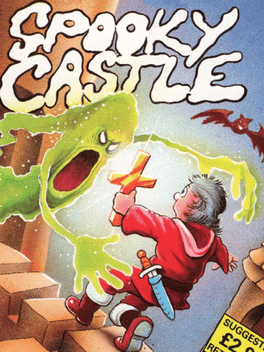
King Michael has promised the hand of marriage to Princess Clare to anyone who can save her from Spooky Castle. You, Gormless Gary has taken up the challenge and entered the castle. To hinder Gary in his quest, there are bats and ghosts flying about with fire scattered around also. Touching any of these reduces Gary's energy bar. When the bar is empty then it's game over when all lives are lost. Scattered around the castle though are crosses which give extra lives, potions which give Gary more energy and keys which open doors.Hagar the Horrible
1992
Hagar the Horrible
1992
Hägar The Horrible is a Jump'n'Run game based on the popular comics by Dik and Chris Browne. At the beginning of each levels, Hägar's wife Helga gives him a list of items he has to collect in the current stage. Apart from fetching the items, the only goal is to reach the exit. Hägar is equipped with his normal shield and sword to fight enemies, but can also find more powerful extra weapons.