New Arcade Games - Page 78

Title Fight
1992
Title Fight
1992
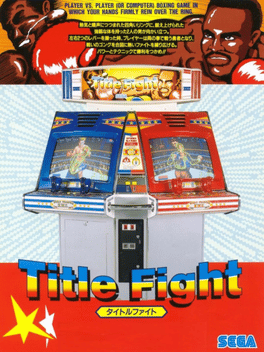
Title Fight is a behind-the-back boxing game developed by Sega-AM3 and released by Sega for arcades (using Sega System 32 hardware) in 1993. A spiritual successor to Sega's 1987 game Heavyweight Champ, Title Fight features a similar twin-joystick control setup that corresponds each oversized joystick (or "glove handle") with each of their boxer's arms, giving the illusion of throwing actual punches and guarding or dodging their opponent. The game follows one of several boxers in their journey to winning the championship belt. Title Fight takes full advantage of the hardware's sprite-scaling effects not only for the large character sprites, but also for the ring itself (which now rotates in a 3D space, allowing for 3D side-stepping). It also features linked multiplayer, one of the few boxing games of its type to do so.Command War : Super Special Battle & War Game
1992
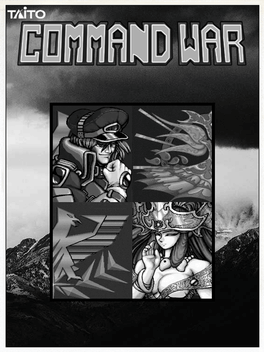
It's a strategy game, that sees you moving troops around a simple board. When one of your troops meets one of the enemy's troops, they enter a little battle.Quiz F1 1,2 Finish
1992
Muggo!
1992
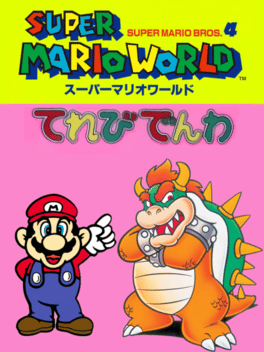
Terebi-denwa: Super Mario World
1992
A redemption game released by Banpresto which uses a telephone as input.Space Lords
1992
Space Lords
1992
Space Lords is a video game released in arcades by Atari Games in 1992. It is a first-person perspective space combat video game which allows the player to fly in any direction.Stadium Cross
1992
Stadium Cross
1992
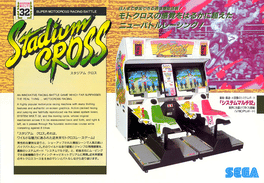
Stadium Cross is a motocross racing game where you race motorcycles in stadiums. The bikes can also perform wheelies, high jumps and realistic corner turns. It supports up to eight people racing each other at a time. The riders can hinder each other.Miyasu Nonki no Quiz 18-kin
1992
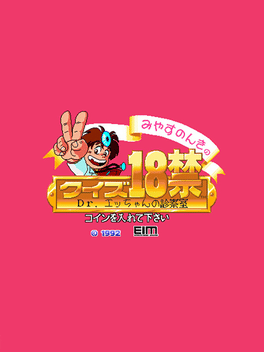
A Japanese quiz game where if you answer correctly women take off their clothes.Hook
1992
Gallagher's Gallery
1992
Gallagher's Gallery
1992
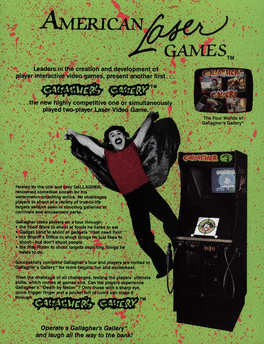
A LaserDisc-based light-gun game from American Laser Games featuring everyone's favorite watermelon-smashing "comic," Gallagher.Arm Champs II
1992
Arm Champs II
1992
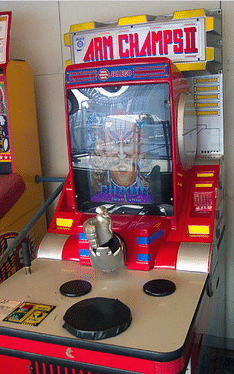
This arcade machine has you going one-on-one with the world's most championed arm wrestling contenders. Sorry, left-handed players!Brick Zone
1992
Brick Zone
1992
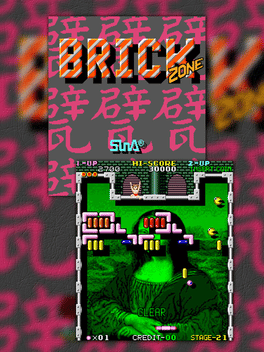
Breakout-style game by SunA Co. that features several famous arts in the background (some with nudity) and some well-known songs such as "Chorando Se Foi"/"Lambada" and "Ode to Joy". As you progress through the stages, the player will also come across bizarre bosses, such as a clown's head with stretching arms.Pocket Gal Deluxe
1992
Pocket Gal Deluxe
1992
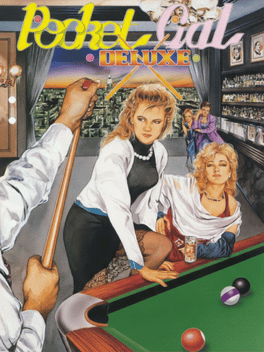
Pocket Gal Deluxe was produced by Nihon Bussan/AV Japan in 1992. It is the sequel to Pocket Gal. The gameplay of Pocket Gal Deluxe is similar to the Sega Genesis version of Side Pocket. In Pocket Gal Deluxe, the art style is much more realistic than Pocket Gal.Grid Seeker: Project Storm Hammer
1992
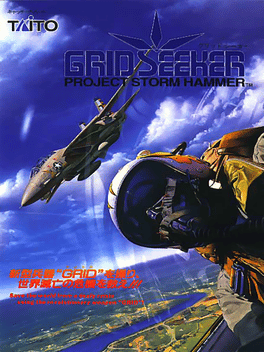
Grid Seeker: Project Storm Hammer(グリッドシーカー)is a vertically scrolling shoot 'em up arcade game developed by Taito. In it, players control one of three different modern fighter crafts and can collect enemy bullets using shielded guns known as Grids.GunNail
1992
GunNail
1992
Gunnail is a vertical space shoot'em up. It's a very standard shooter - very fast action, and many enemies to kill. Player controls a space ship, and flies straight forward. He must destroy enemies - the spacecraft has a gun that can be improved by power-ups and special weapons. Player can obtain helpers ("option" from Gradius). At the end of each level a boss awaits - every boss is heavily armed and difficult to destroy.Street Fighter II: Rainbow Edition
1992
star 6.9This game is a hack of Street Fighter II: Champion Edition, notable for modifying many gameplay aspects, the most noticeable being the ability to transform into other characters and being able to pull off special moves in midair. Some of the special moves were modified, such as the Hadokens, which can either home in on the opponent or travel extremely fast, as well as 7 different characters being able to execute them as opposed to just Ryu and Ken. Zangief moves noticeably faster in this game, and E. Honda can pull off Hadokens when performing his Hyakuretsu Harite. The graphics and music are identical to those in the original game aside from the title's logo, which is now rainbow-coloured, which is where this hack gets its name from. Although there are many different revisions of this hack readily dumped and emulated, several versions are still left undumped. The rampant craziness with these hacks and the popularity of arcade distributors putting these hacks in machines was one of the reasons behind the creatioHat Trick Hero '93
1992
Hat Trick Hero '93
1992
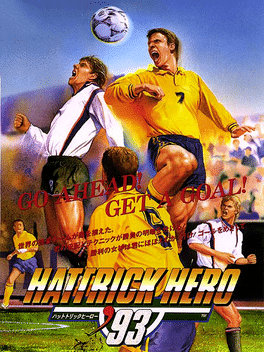
Football Champ is an arcade-style football (soccer) video game. The game was produced by Team Dogyan developers in Japan, and originally released in the arcades by Taito Corporation in 1990. Euro Football Champ and Hat Trick Hero are versions of this game with minor variations. Subsequent arcade releases of this game include Hat Trick Hero '93 (Japan) and Hat Trick Hero '95 (Japan, also released as Taito Power Goal).Bucky O'Hare
1992
Bucky O'Hare
1992
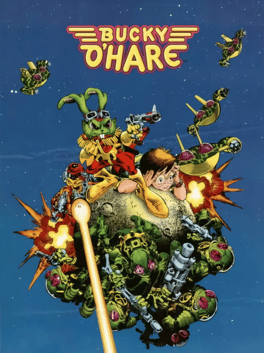
star 8.7This video game is based on the cartoon television series Bucky O'Hare and the Toad Wars under license from Hasbro, Inc. While it is generally classified as a scrolling fighting game, utilizing a Final Fight-esque landscape, the player's character is also armed with a laser gun, adding in elements of a scrolling shooter. However, if the character is extremely close to an enemy, he will throw out his fists to attack - a precursor to the characters featured in Metal Slug, who use knives in close combat. Much like the cartoon, Bucky O'Hare features colorful animation, and voice actors from the series were hired to participate in the game's cut scenes. The player chooses from five protagonists: Bucky O'Hare, the heroic rabbit captain of the space ship Righteous Indignation; Jenny, an "Aldebaran cat" and telepath; Dead-Eye Duck, a four-armed mallard; Willy, a kid from earth that replaced their engineer, and Blinky, a one-eyed android. As in the television series, the characters must stop the Toad Empire from invadingR-Type Leo
1992
R-Type Leo
1992
star 8.4R-Type Leo is a horizontally scrolling shooter arcade game. It is a spin-off of the R-Type series and the last entry to be released in Arcades. R-Type Leo was initially an original shoot 'em up game in development by Nanao before Irem retooled it into an R-Type project instead. It is also the first R-Type game to feature simultaneous two player gameplay.