New Games - Page 11504

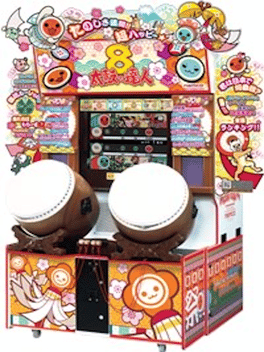
Taiko no Tatsujin 8
2006
Taiko no Tatsujin 8
2006
A sequel to Taiko no Tatsujin 7, featuring a new Category for Video Game Music, the new Baizoku, Sanbai, Yonbai modifiers, and a Revival Roulette after the first song failed. This game marked an important moment for the Taiko franchise and its crossover with other video game companies for their OSTs such as Nintendo and Square Enix.Negima! Magister Negi Magi: Kagai Jugyou - Otome no Doki-doki Beachside
2006
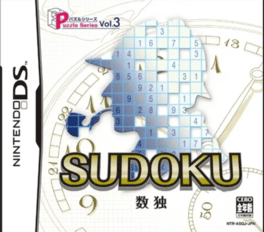
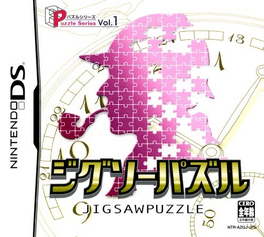
This extracurricular lesson from Negima universe takes place in a paradise resort and is a side-story from Negima series based on the manga with the same title.Puzzle Series Vol. 3: Sudoku
2006
Third game in the Puzzle Series by Hudson Soft. Released March 23, 2006 in Japan and later localized as Sudoku Gridmaster in North America and Sudoku Master in Europe.Simple 2000 Series Vol. 98: The Roman Sabou
2006
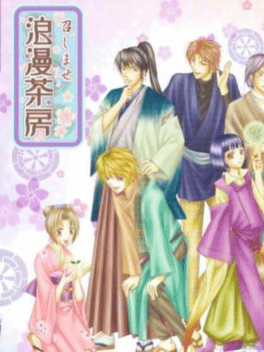
The Roman Sabou: In the game the player takes the role of the only daughter of a family that will have to run a sweet shop during a year of time. The game features over 884 different sweets to make. During the game the player will go with one of the 6 different boys to different places around the town to look for new ingredients for the different sweets, and also check often the balance of the money's shop since if there are loses at the end of any of the months is game over.Power Pocket Dash
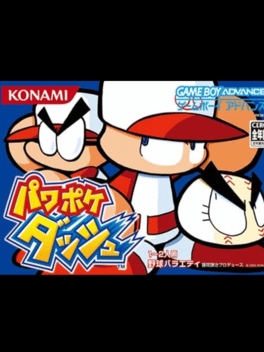
2006
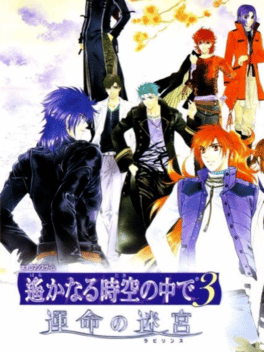
Harukanaru Toki no Naka de 3: Unmei no Labyrinth
2006
Harukanaru Toki no Naka de 3 Unmei no Labyrinth is the canonical sequel to the third Haruka. Like other Neoromance fan discs, the narrative is a shorter experience than its base and concludes in eight chapters.Style Book: Cinnamoroll
2006
Style Book: Cinnamoroll is a Nintendo DS game released on March 23, 2006. It can be used as an electronic diary or alarm, or for scheduling events. When the software is used the player may gather "Smile Points". The player can obtain coloured pencils and stickers.Bust-a-Move: Deluxe
2006
Bust-a-Move: Deluxe
2006
star 6Join Bob and Bub plus new characters, never before seen games and ways to play including spooky Ghost Mode! Pop matching colored bubbles to solve puzzles in a variety of game types including head-to-head play. Whether you are a first-timer or an expert bubble launcher, you will be sure to find brain-teasing fun in the over 1000 puzzles available in Bust-A-Move Deluxe!Shakugan no Shana
2006
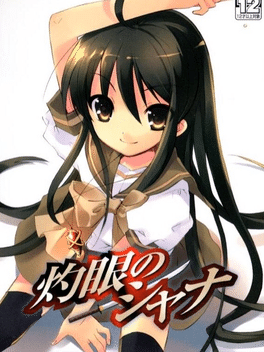
Shakugan no Shana
2006
A video game named Shakugan no Shana for the PlayStation 2, developed by MediaWorks, was released on March 23, 2006Memories Off: Sorekara Again
2006
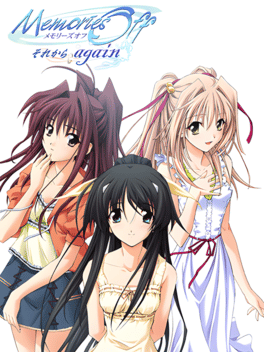
Sorekara Again is a direct sequel to Memories Off: Sorekara which takes events during the following days to the original story. Game features three separate stories (so called "after episodes"), each one centering around the time you (Isshuu Sagisawa, the same protagonist from the original story) spent with a different girl, Inori Misasagi, Miyabi Fujiwara and Karin Hanamatsuri. Gameplay itself is pretty much unchanged, the plot changes based on the choices you select during the story.Jan Sangoku Musou
2006
Jan Sangoku Musou
2006
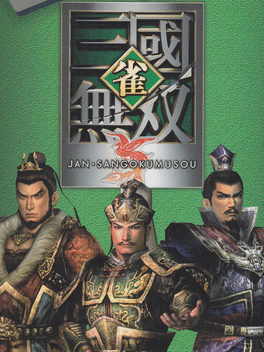
The game is played against the characters of "Dynasty Warriors Series," Koei game based on the Sanguo Zhi in China, but it is an authentic mahjong game which adopts an algorithm that does not have a kind of insane technique that is common in character mahjong games. This game is based on the mahjong software "Mahjong Taikai" released by Koei.Fantasy Earth: Zero
2006
Fantasy Earth: Zero
2006
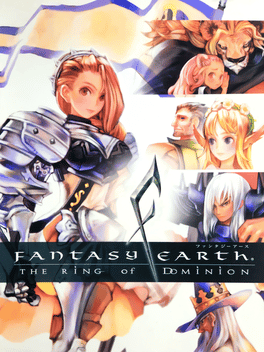
Fantasy Earth Zero is a 2006 massive multiplayer online role-playing game developed for Microsoft Windows. Originally developed by Puraguru and Multiterm under the title Fantasy Earth: The Ring of Dominion, it released under that title by Square Enix as a paid product through its PlayOnline service.Dynasty Warriors Vol. 2
2006
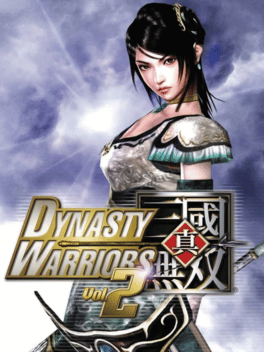
Ancient China's greatest warriors have rocked the foundations of heaven and earth for over 2,000 years. Now KOEI's 'Warriors Worth a Thousand' return in a sequel that eclipses the original with an exquisite array of features. For the first time, up to 4 players can engage in multiplayer combat including a Battle Royal mode. Players can now unlock up to 300 officers (three times as many as the original), and then wirelessly trade these officers with other players. Players can also manage a stable of up to 8 horses and elephants. Each mount will gain experience during battle and will prove a valuable military asset when setting out to conquer the game's more than 50 stages and 31 maps. Dynasty Warriors Vol. 2 includes the complete pantheon of all 48 Dynasty Warriors, with branching story paths for each kingdom. Game modes include Musou, Multiplayer and Free mode, plus a Camp mode where players can view detailed information on weapons, officers and stages. The game also gives players a full view of the battlefield actDynasty Warriors 5: Empires
2006
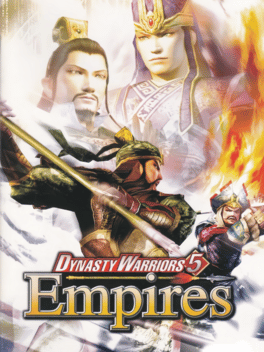
star 6.9Dynasty Warriors 5 Empires (真・三國無双4 Empires) is the second expansion for Dynasty Warriors 5. Like the previous Empires expansion, the game focuses on the player's ability to simulate a leader taking and controlling territory, eventually becoming a powerful leader controlling China. They can form helpful alliances with other factions, recruit powerful officers to their side, use tactics to gain the upper hand against foes, etc.Battle of Europe
2006
Battle of Europe
2006
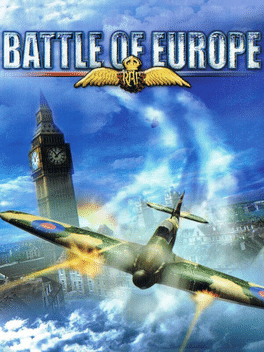
star 6.4Risk your life in countless dog fights, returning home in a smoking plane full of bullet holes! Whether the next sortie puts you in the seat of a traditional British Spitfire, or behind the throttle of a captured German prototype, the honor of the RAF must be maintained at all costs! You must prove that the RAF is a force to be reckoned with.Ys Strategy
2006
Ys Strategy
2006
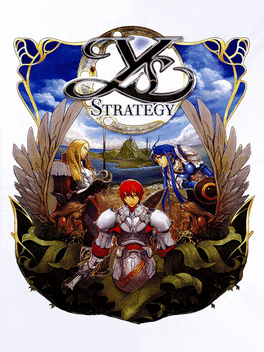
Ys Strategy is a real-time strategy game developed by Future Creates exclusive to the Nintendo DS. It was published by Marvelous Interactive (now absorbed into its parent company, Marvelous Entertainment) in Japan and Rising Star Games in Europe. Its status in canon is unknown, as Falcom hasn't stated anything about it.Ace Combat Zero: The Belkan War
2006
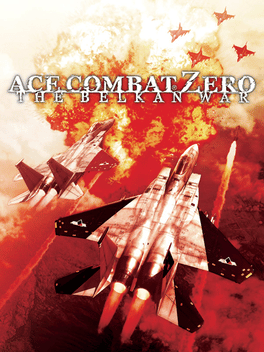
star 7.6The sixth installment in the Ace Combat series explores the Belkan War, a devastating conflict alluded to in Ace Combat 5. In the game's main story mode, the player takes control of a mercenary pilot, callsign "Cipher", taking part in the Belkan War by advancing through aerial combat, escort, assault, and defense missions. The story is told through the eyes of a reporter, 10 years after the conflict, uncovering secrets of the war by interviewing some of the pilots the player shoots down.Wizardry Xth: Mugen no Gakuto - Unlimited Students
2006
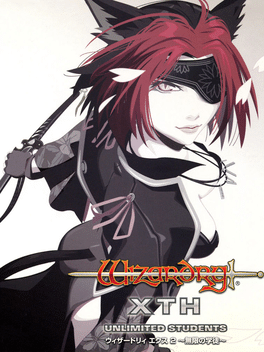
Wizardry Xth: Unlimited Students is a dungeon crawling JRPG that uses a turn-based combat system with a team of 6 characters you can customize, from 10 races with 15 professions, during the game. Sequel to "Wizardry Xth: Academy of Frontier", this game improves on the team compatibility system and changes the crafting process. The game was only released in Japan. A near identical game was released by a different company for the PSP, in Japan only, called "Class of Heroes" that reuses most of the source code of this game. It has a large number of surface changes but also has the same dungeon layouts and items as this game.Pokémon Ranger
2006
Pokémon Ranger
2006
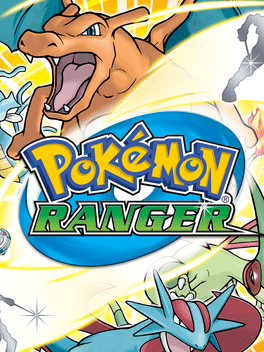
star 6.2Pokémon Ranger is an action role-playing video game developed by HAL Laboratory and Creatures Inc. and published by Nintendo for the Nintendo DS video game console. The game was released at various dates, varying between continents. The game was first released in Japan on March 22, 2006 and was later released in North America and Australia during the remainder of 2006. The game's final release date was in Europe in April 2007. Pokémon Ranger is compatible with Pokémon Diamond, Pearl, Platinum, HeartGold and SoulSilver allowing players to transfer the egg of the legendary Pokémon Manaphy to those games. This game is set in the Fiore region.