New Games - Page 12504

Namco History Vol. 2
1997
Namco History Vol. 2
1997
Includes Tank Battalion, Rally-X, New Rally-X, Phozon, The Tower of Druaga and Grobda.Fox Sports Soccer '99
1997
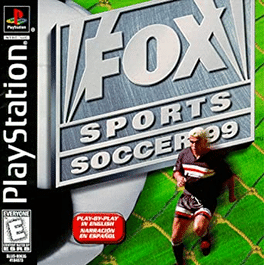
Watch Fox Sports. Play Fox Sports. Includes: Fast and fluid gameplay, over 120 total teams, 24 unique stadiums, control the replay speed, choose your skill level, created your own leagues and touraments, "ambient realism" and improve your skills in practice mode.Famista 64
1997
Medarot Kabuto Version
1997
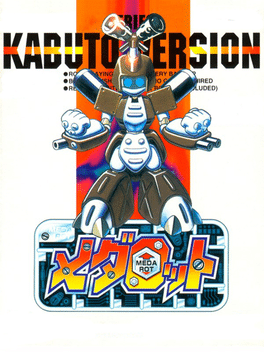
Medarot (also referred to as Medarot 1) is an RPG that was released in 1997 for the Nintendo Game Boy, and the original game that started the Medarot franchise. It follows Hikaru Agata on his quest to compete in Robottle tournaments and defeat the evil Roborobo Gang. Like the other creature-collecting games of the time, Medarot 1 was released in two versions: Kabuto (Rhinoceros beetle), where the player's starting Medarot is Metal Beetle, and Kuwagata (Stag beetle), where the player starts with Head Scissors. Along with the starting Medarots, there are some Medarots and Medals that can only be obtained in a specific version. No English versions of the game were released. Medarot 1 is a monochrome Game Boy game with only basic palette support when played on a Game Boy Color. However, it has a border and more advanced colors when played on a Super Game Boy. A "director's cut" edition of the game titled Medarot Perfect Edition was released for Bandai's Japan-only Wonderswan system in 1999. It had two versions and wMedarot Kuwagata Version
1997
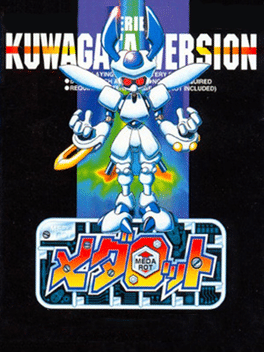
Medarot (also referred to as Medarot 1) is an RPG that was released in 1997 for the Nintendo Game Boy, and the original game that started the Medarot franchise. It follows Hikaru Agata on his quest to compete in Robottle tournaments and defeat the evil Roborobo Gang. Like the other creature-collecting games of the time, Medarot 1 was released in two versions: Kabuto (Rhinoceros beetle), where the player's starting Medarot is Metal Beetle, and Kuwagata (Stag beetle), where the player starts with Head Scissors. Along with the starting Medarots, there are some Medarots and Medals that can only be obtained in a specific version. No English versions of the game were released. Medarot 1 is a monochrome Game Boy game with only basic palette support when played on a Game Boy Color. However, it has a border and more advanced colors when played on a Super Game Boy. A "director's cut" edition of the game titled Medarot Perfect Edition was released for Bandai's Japan-only Wonderswan system in 1999. It had two versions and w64 Oozumou
1997
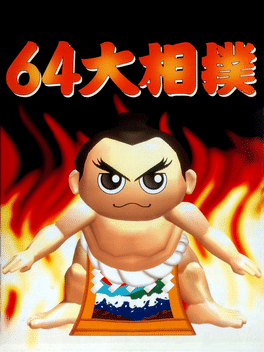
64 Oozumou
1997
64 Oozumou adresses the everyday life of japanese sumo wrestlers, simulating not only fights but also focusing on training, diet and social interactions.Chopper Attack
1997
Chopper Attack
1997
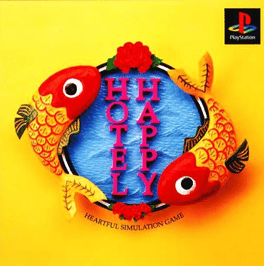
ACES NEEDED! Join an elite group of international chopper pilots with one objective... hunt down and destroy a renegade terrorist group bent on world domination! Engage and destroy the enemy in 8 different intense missions. Blow up strategic enemy radar. Shoot ground troops and enemy aircraft as you rescue hostages or escort friendly aircraft from dangerous enemy territory. Cash rewards give way to an explosive arsenal of ground and air missiles. Transform enemy installations into explosive fireballs with devastating ground and air target lock-on cluster bombs. Fly one of 8 different choppers, each one with different weapon and flying capabilities.Happy Hotel
1997
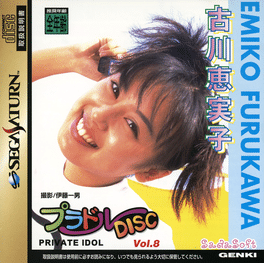
Private Idol Disc Vol. 8: Furukawa Emiko
1997
Idol Digital Photobook released exclusively in Japan for Sega Saturn. Includes a Q&A interview, a mini-game, and a quiz about Furukawa Emiko.Gadget: Past as Future
1997
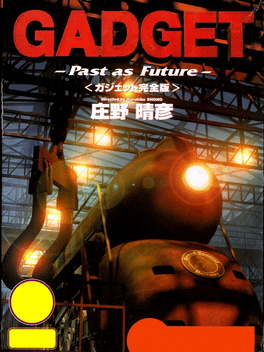
An enhanced re-release for Windows, Mac, and PlayStation, Gadget: Past as Future, was later released on four CDs in 1997 by Cryo Interactive for Windows, Macintosh, and the PlayStation home console. A remastered version of Gadget: Past as Future was released for iOS by NTT Resonant Inc. in March 2011.Grandread
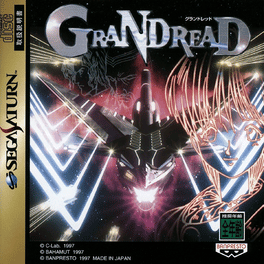
1997
Gaia Breeder
1997
Gaia Breeder
1997
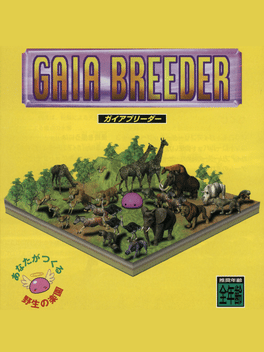
Gaia Breeder is a life-simulation sandbox game where the player attempts to recreate a natural environment. In the 23rd century, a meteor has wiped out all wild animal life on Earth, and humanity has decided to attempt to restore it using science. Using a time machine and a curious pink creature called "Mupi", the player travels back in time to harvest the DNA of extinct animals, then can clone or combine them in the present day. The game is divided into a series of "Breeder Tournaments" where the goal is to build a balanced and sustainable natural environment that can be used as a blueprint for restoring nature.Asuncia: Matsue no Jubaku
1997
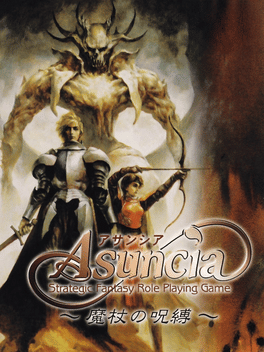
Asuncia: Matsue no Jubaku is a RPG/Tactical RPG game published by Xing Entertainment released on November 27, 1997 for the Sony PlayStation. Asuncia is a classic 2D Rpg game in which the player control a group of adventures that will travel through a medieval world solving missions. During those journeys they will have to face different kind of enemies. The most important feature of the game is that with every new game the game make a new map so there won’t be the same game twice. The gameplay is in third person perspective in the dungeons and fights (that are turn based) and in first person perspectives in shops and towns.Burger Burger
1997
Hybrid
1997
Hybrid
1997
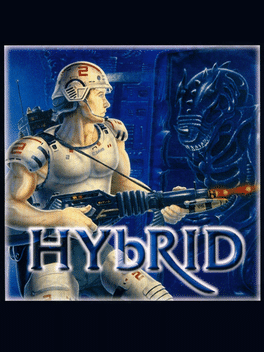
Hybrid is a 3D first-person shooter with a futuristic high-tech theme. Earth is on the the brink of collapse after years of fighting against an alien invasion, and you are among those who remain to fight. Your next mission is to strike a compound deep within the mountains. Choose from one of four characters: cybernetic commando George McKenzie, flame magic user Akiko Tyler, alien soldier Alien, or hard-boiled mercenary Bloodchaser Field. Use your guns and bombs to make your way through the complex and wipe out anything that moves.Dragon Beat: Legend of Pinball
1997
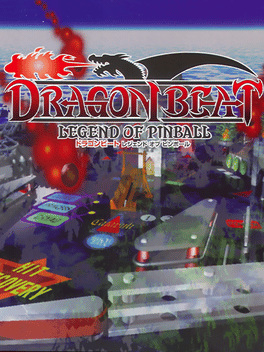
A pinball game from Map Japan featuring three distinct tables: Castle, Old Town and Legend.Crime Crackers 2
1997
Crime Crackers 2
1997
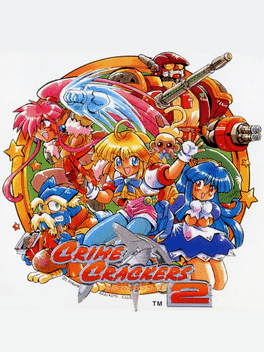
Crime Crackers 2 is the sequel to Crime Crackers, and is again a first-person action game in a similar style. It takes place two years after the original, following a team of Crackers who got into the business after being inspired by Team Pink Dolphin, the heroes of the first game. Just like the previous title, the player must explore each area, defeating enemies and collecting items until they find and defeat the boss.R?MJ: The Mystery Hospital
1997
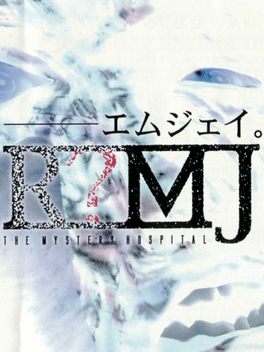
R?MJ is an interactive horror game with full voice-acting and movement like Kenji Eno's D, where a video plays to show the player's selected movement. The events of R?MJ take place in the summer of 1999. Hajime and Tomowo rush to the S.T.G. Hospital after hearing their friend Ryo was in a suspicious motorcycle accident, but they're trapped in the hospital after an explosion seals their exit. Together with Aya, a nurse who looks after Ryo, Hajime and friends much find a way out while a deadly virus threatens to end their search for freedom. There's something else amiss about this hospital, however. Strange paintings depicting an ancient civilization decorate the hospital walls. Just what is the Asmos Legend? In addition to looking around for items and solving puzzles, the player must utilize the "5 senses button," which acts as an additional way to investigate. Other characters will prompt you for these moments, such as "what's that smell?" The Playstation version spans 2 discs, whereas the Saturn version fits all