New Games - Page 11507

Kinnikuman Muscle Grand Prix
2006
Kinnikuman Muscle Grand Prix is a series of fighting video game developed by AKI Corporation, based on the popular Kinnikuman manga and anime series from Weekly Shonen Jump.Lada Racing Club
2006
Lada Racing Club
2006
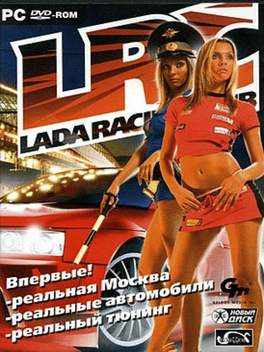
star 2Lada Racing Club offers car street races in Moscow, Russia. It contains almost all models of the AvtoVAZ range of cars. Many historical monuments and locations are recreated. The game modes include career, fast arrival and freeride. The city is filled with cars and pedestrians that need to be avoided to get a fast time. There is a small mini map in the bottom left corner and the bottom right corner shows the speed as well as the damage the car has suffered. By winning races money is earned to upgrade the cars. Released only in Russia.Neopets Petpet Adventures: The Wand of Wishing
2006
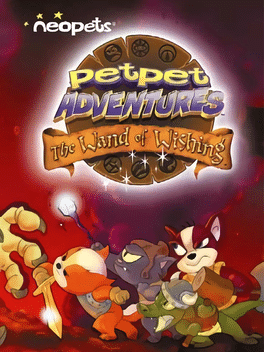
Neopets: Petpet Adventures: The Wand of Wishing is a single-player PSP action adventure game based on the popular Neopets universe.The Fancy Pants Adventures: World 1
2006
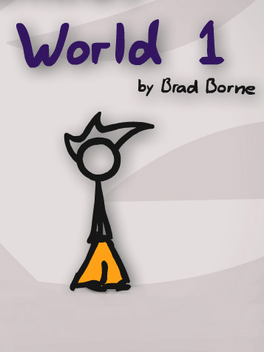
star 7.5The first installment in Brad Borne's Fancy Pants Adventures series.Let's Ride! Silver Buckle Stables
2006
Train horses and compete in competitions in this horse riding simulation.Rome: Total War - Gold Edition
2006
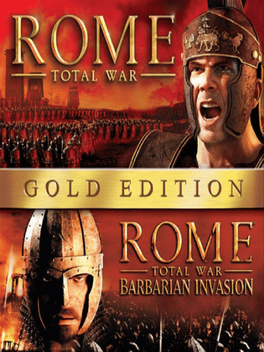
star 8.2Once the Roman Empire is under your command, don't lay down your sword just yet - the Barbarians are coming. With two award-winning titles from the esteemed Total War series, you'll have twice as many obstacles and opportunities to control and conquer the greatest empire ever known to man. Includes the Barbarian Invasion expansion!Metal Gear Solid 3: Subsistence - Limited Edition
2006
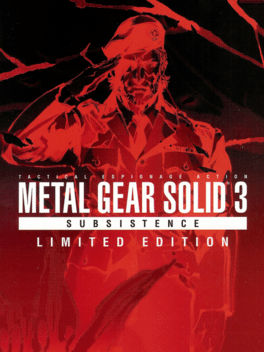
star 8.5Metal Gear Solid 3: Subsistence continues the Metal Gear Solid series tradition of follow-up enhanced, international version releases. Subsistence's online multiplayer component, titled Metal Gear Online, consists of five tournament-style game modes, each with a capacity of up to eight players. The Limited Edition comes in a special keepsake box and includes a copy of the game and a bonus "Existence" disc. The Existence disc is a theater disc that presents the game's storyline and cutscenes edited to be suitable for a standalone movie-style release.Syphon Filter: Dark Mirror
2006
star 6.8Dark Mirror is the sequel to Syphon Filter: The Omega Strain. In Dark Mirror, a mysterious operation at an Alaskan oil reserve has Gabe Logan investigating the cause. He is quickly presented with a deeper operation that has him venturing across the world.Red Orchestra: Ostfront 41-45
2006
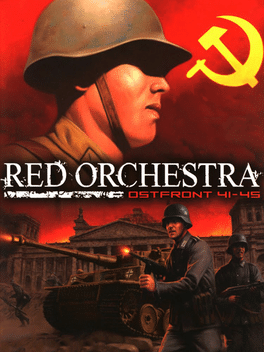
star 7.4Fight in the theatre of war that changed the world forever. Battle alongside your compatriots on some of the most inhospitable environments of the Eastern Front in Red Orchestra: Ostfront 41-45. Red Orchestra places you in the most realistic WWII first-person multi-player combat to date on the PC, allowing the player to fight through some of the most intense combat of the war. You can play as infantry, using a wide range of infantry weapons, or crew one of the many armored combat vehicles available in the game, from half-tracks to the most famous German and Soviet heavy tanks. Engage the enemy with everything in your arsenal, from your bayonet at close quarters up to the massive 122mm cannon on the Soviet IS-2. And if that isn't enough, find an officer and a radio to call in thunderous artillery strikes to shake the enemy loose.CSI: 3 Dimensions of Murder
2006
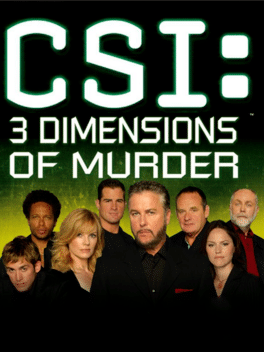
star 6.6You'll have 5 bloody cases to solve as you play a rookie investigator with the Las Vegas crime lab. The first four ultimately connect together towards solving the 5th. Your co-workers are characters from the CSI television series and voice acting is done by the real actors and actresses from the show. Choose one of 3 levels of difficulty depending upon how familiar you are with the tv shows (and computer gaming in general). Those modes affect how much interactive help you receive inside the game - not from your co-workers, but by way of hotspots and evidence analysis. The game features a tutorial to help with the interface, which is point and click.Driver: Parallel Lines
2006
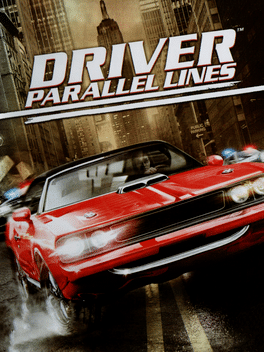
star 6.9Diverging from previous Driver games, Parallel Lines takes place in just one city, New York, instead of multiple cities, but in the middle of the story you change to different eras of the city - 1978 and 2006. Due to the underwhelming performance of Driv3r, particularly the often-derided on-foot sections, Parallel Lines returns to the formula used in earlier games in the series, focusing on driving, although shooting remains in the game.Ice Age 2: The Meltdown
2006
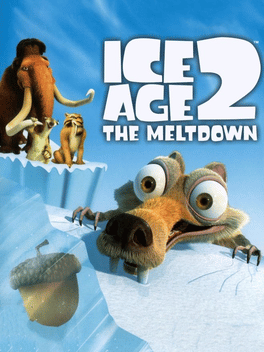
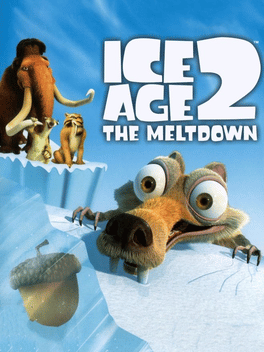
star 6.5Ice Age 2: The Meltdown is loosely based on the movie of the same name. The game takes place in prehistory - you play as Scrat, the hapless (but not totally helpless!) proto-squirrel, helping your friends escape the coming of a huge flood.Battlefield 2: Euro Force
2006
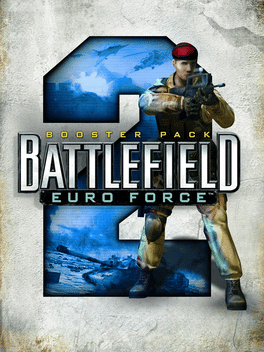
star 7.9Battlefield 2: Euro Force is the first booster pack for Battlefield 2, introducing a new faction and as well as new weapons, maps and vehicles. It was made free with the release of the 1.5 patch.Tom Clancy's Rainbow Six: Critical Hour
2006
In Tom Clancy's Rainbow Six Critical Hour, Ubisoft's Quebec studio blends the finest elements of Tom Clancy's Rainbow Six series to create the most complete chapter to date. This latest chapter marks the return to the franchise's roots by reintroducing the deeply strategic and tactical gameplay synonymous with the Rainbow Six name, while incorporating classic in-game elements such as vintage maps and weapons, all rebuilt using today's technology. Rainbow Six Critical Hour brings a new seven-mission single-player campaign and 18 multiplayer levels.Daxter
2006
Daxter
2006
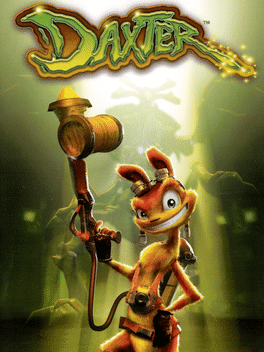
star 8.4Daxter is a platformer developed by Ready at Dawn and published by Sony Computer Entertainment. Released in 2006 for the PlayStation Portable (PSP), it serves as a midquel set between Jak II and Jak 3 from the Jak and Daxter series. The game follows Daxter, a comical ottsel, as he works as a pest exterminator in Haven City while searching for his captured friend, Jak. Gameplay focuses on platforming, combat, and gadget-based puzzles, with Daxter using unique tools like a bug swatter and spray gun to defeat enemies. It features detailed environments, engaging minigames, and the series' signature humor.Pocket Professor: Kwik Notes Volume 1
2006
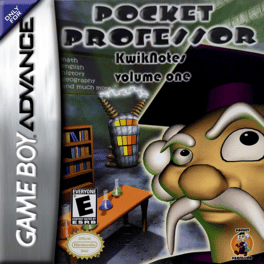
Great for test preparation - (quizzes, finals, ACT/SAT preparation, military entrance exams) basically, this becomes the ultimate set of flashcards assisting students in evaluating their "own" knowledge level in several core subject areas homeschooling or medical absences adult education and GED preparation aid to those preparing to re-enter school or the job market.Super Mario Bros HF
2006
Super Mario Bros HF
2006
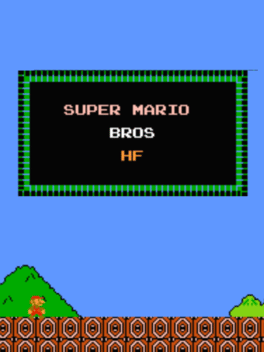
Hello there! You’re probably here because you’re looking for a fun hack of Super Mario Bros, right? If so, Super Mario Bros HF could be just for you. Perhaps the main focus of SMBHF is the difficulty. Most hacks that redo levels (at least the ones that I’ve tried) make the game nearly impossible! I’ve had quite a few games where I couldn’t get past the first few levels without savestates. In my opinion, games like these are just not fun. How can you enjoy a game if you have to keep saving after each major jump? I don’t think you can. That is why SMBHF’s levels are about as difficult as the original game’s. You will NOT find ultra-hard levels in SMBHF; if you can beat Super Mario Bros, you can beat SMBHF. These levels were created for the gamer’s enjoyment, not for the gamer’s frustration. Each level (1-1 through 8-4) has been changed. Some have been changed moreso than others, but each has been significantly altered. The lesser focus of SMBHF is graphic changing. Some major graphic changes incUnreal Flash
2006
Unreal Flash
2006
Unreal Flash. The most explosive gaming experience ever. Can you become master of the arena? Dozens of weapons, bosses characters and arenas.