New Games - Page 11509

Tennis Elbow 2006
2006
Tennis Elbow 2006
2006
Tennis Elbow 2006 allows players to compete in a World Tour of 125 events against 300 players. Both the entry and Champions' Race ranking systems are incorporated - the former covering the last 52 weeks and the latter being fixed over a single calendar year. Players can be defined as volleyers, defenders, punchers or varied, with definable kit colors and playing abilities. As you play the game, your player's ability improves - by more if you lose. Assign these points for faster and more accurate serves as well as faster running and bigger jumps.Diagnosis -Inma no Note-
2006
A school boy becomes the possessor of an old note called "Diagnosis". It is a note which changes your life as you want. To satisfy his twisted desire toward an beautiful girl Arai Misaki, he writes down his wishes.Rikorisu: Lycoris Radiata
2006
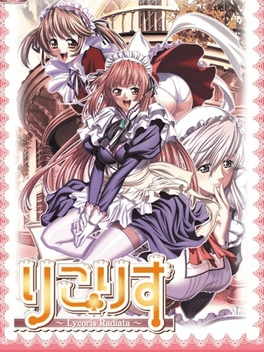
After questioning his path in life, Touwa embarks on a soul-searching journey across the open sea. Stranded under the scorching sun with no wind, his desperate prayers for relief are answered by a sudden storm that leaves him shipwrecked on an uncharted island. There, he discovers a mansion inhabited by three sister maids who offer him shelter as he works to repair his ship and continue his journey.Street Riders
2006
Street Riders
2006
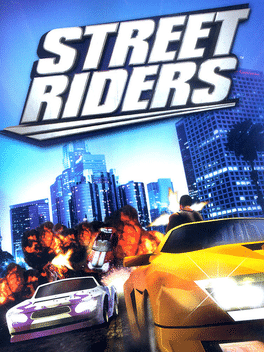
The blacktop's about to blaze with the most dangerous, ludicrous, and notorious combat racing to erupt on the urban streets. Fully strapped with a gang-load of firepower and fearless driving skills, players make a mad dash for power by racing against ruthless street crews, murdering their opponents, and building an empire of money. High-priced honeys, the finest bling, and millionaire cribs are just some of the rewards for the notorious few who can survive this most dangerous game.Act of War: High Treason
2006
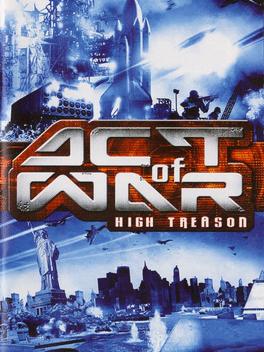
star 5.9Act of War: High Treason is the thrilling continuation of Act of War: Direct Action. With its fast-paced, action-packed and well-balanced gameplay, extensive tech tree and amazing visuals, this ultra-realistic modern military real-time strategy game is sure to be a welcome addition to any RTS fan's shelf. With naval combat, expanded tech trees and a massive new single-player campaign, High Treason contains hundreds of hours of intense RTS gameplay. Control the ultimate in cutting-edge military technology and units in this first look at tomorrow's war.Pro Evolution Soccer Management
2006
star 5Pro Evolution Soccer Management (or PESM for short) is the only football management game released by Konami as a spin-off of the Pro Evolution Soccer series. It was poorly received by critics and a sequel is unlikely.Taiko no Tatsujin 8
2006
Taiko no Tatsujin 8
2006
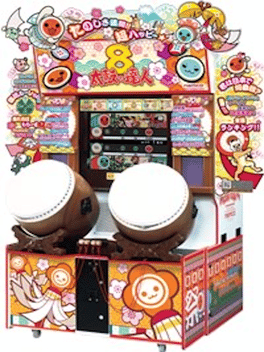
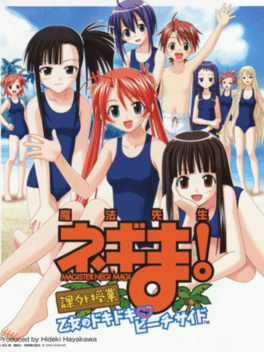
A sequel to Taiko no Tatsujin 7, featuring a new Category for Video Game Music, the new Baizoku, Sanbai, Yonbai modifiers, and a Revival Roulette after the first song failed. This game marked an important moment for the Taiko franchise and its crossover with other video game companies for their OSTs such as Nintendo and Square Enix.Negima! Magister Negi Magi: Kagai Jugyou - Otome no Doki-doki Beachside
2006
This extracurricular lesson from Negima universe takes place in a paradise resort and is a side-story from Negima series based on the manga with the same title.Puzzle Series Vol. 3: Sudoku
2006
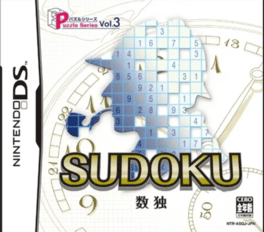
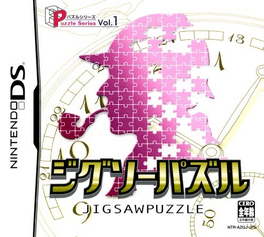
Third game in the Puzzle Series by Hudson Soft. Released March 23, 2006 in Japan and later localized as Sudoku Gridmaster in North America and Sudoku Master in Europe.Simple 2000 Series Vol. 98: The Roman Sabou
2006
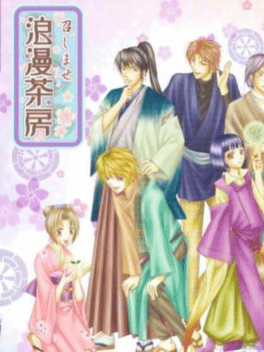
The Roman Sabou: In the game the player takes the role of the only daughter of a family that will have to run a sweet shop during a year of time. The game features over 884 different sweets to make. During the game the player will go with one of the 6 different boys to different places around the town to look for new ingredients for the different sweets, and also check often the balance of the money's shop since if there are loses at the end of any of the months is game over.Power Pocket Dash
2006
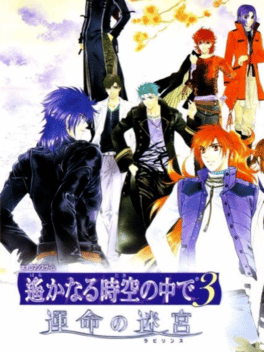
Harukanaru Toki no Naka de 3: Unmei no Labyrinth
2006
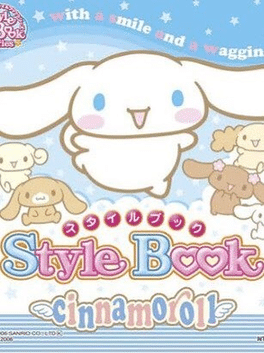
Harukanaru Toki no Naka de 3 Unmei no Labyrinth is the canonical sequel to the third Haruka. Like other Neoromance fan discs, the narrative is a shorter experience than its base and concludes in eight chapters.Style Book: Cinnamoroll
2006
Style Book: Cinnamoroll is a Nintendo DS game released on March 23, 2006. It can be used as an electronic diary or alarm, or for scheduling events. When the software is used the player may gather "Smile Points". The player can obtain coloured pencils and stickers.Bust-a-Move: Deluxe
2006
Bust-a-Move: Deluxe
2006
star 6Join Bob and Bub plus new characters, never before seen games and ways to play including spooky Ghost Mode! Pop matching colored bubbles to solve puzzles in a variety of game types including head-to-head play. Whether you are a first-timer or an expert bubble launcher, you will be sure to find brain-teasing fun in the over 1000 puzzles available in Bust-A-Move Deluxe!Shakugan no Shana
2006
Shakugan no Shana
2006
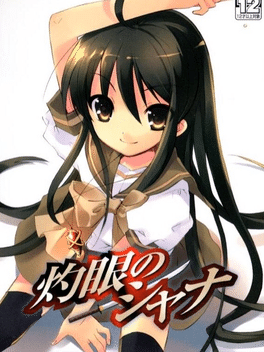
A video game named Shakugan no Shana for the PlayStation 2, developed by MediaWorks, was released on March 23, 2006Memories Off: Sorekara Again
2006
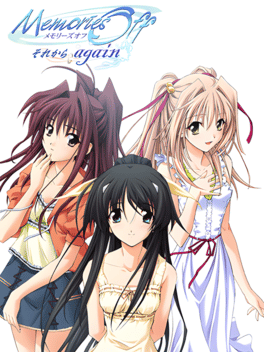
Sorekara Again is a direct sequel to Memories Off: Sorekara which takes events during the following days to the original story. Game features three separate stories (so called "after episodes"), each one centering around the time you (Isshuu Sagisawa, the same protagonist from the original story) spent with a different girl, Inori Misasagi, Miyabi Fujiwara and Karin Hanamatsuri. Gameplay itself is pretty much unchanged, the plot changes based on the choices you select during the story.Jan Sangoku Musou
2006
Jan Sangoku Musou
2006
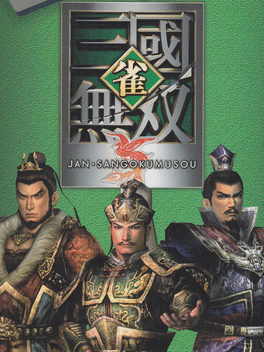
The game is played against the characters of "Dynasty Warriors Series," Koei game based on the Sanguo Zhi in China, but it is an authentic mahjong game which adopts an algorithm that does not have a kind of insane technique that is common in character mahjong games. This game is based on the mahjong software "Mahjong Taikai" released by Koei.Fantasy Earth: Zero
2006
Fantasy Earth: Zero
2006
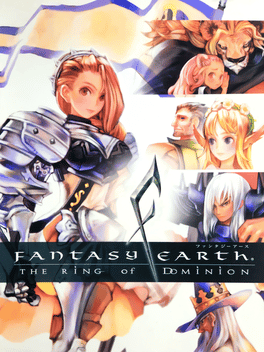
Fantasy Earth Zero is a 2006 massive multiplayer online role-playing game developed for Microsoft Windows. Originally developed by Puraguru and Multiterm under the title Fantasy Earth: The Ring of Dominion, it released under that title by Square Enix as a paid product through its PlayOnline service.Dynasty Warriors Vol. 2
2006
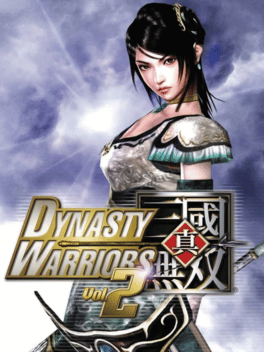
Ancient China's greatest warriors have rocked the foundations of heaven and earth for over 2,000 years. Now KOEI's 'Warriors Worth a Thousand' return in a sequel that eclipses the original with an exquisite array of features. For the first time, up to 4 players can engage in multiplayer combat including a Battle Royal mode. Players can now unlock up to 300 officers (three times as many as the original), and then wirelessly trade these officers with other players. Players can also manage a stable of up to 8 horses and elephants. Each mount will gain experience during battle and will prove a valuable military asset when setting out to conquer the game's more than 50 stages and 31 maps. Dynasty Warriors Vol. 2 includes the complete pantheon of all 48 Dynasty Warriors, with branching story paths for each kingdom. Game modes include Musou, Multiplayer and Free mode, plus a Camp mode where players can view detailed information on weapons, officers and stages. The game also gives players a full view of the battlefield act