New Games - Page 12045

Taiwan 2001
2001
Taiwan 2001
2001
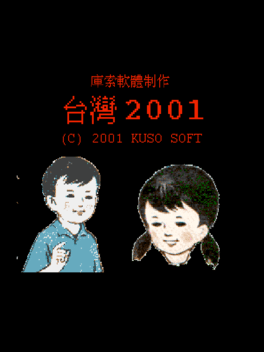
Taiwan 2001 is a Japanese parody of the unlicensed SNES game Hong Kong 97. The game was released by Kuso Soft in 2001 and is based around the political status of Taiwan regarding if it is it's own country or a part of China.WD-40 Game
2001
WD-40 Game
2001
A free 2001 advergame for members of the "WD-40 Fan Club". Largely forgotten about until 2022, when someone posted about it on the r/lostmedia subreddit, and a copy was located on the wayback machine.Tintin in Tibet
2001
Harry Potter
2001
Harry Potter
2001
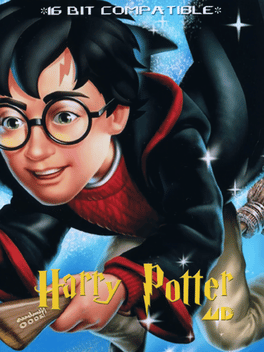
Harry Potter is an unlicensed Sega Mega Drive game based on the Harry Potter movies. The game is a Pac-Man clone.Capcom vs. SNK: Millennium Fight 2001
2001
Capcom vs SNK: Millennium Fight 2001 is an unlicensed port of Capcom vs. SNK: Millennium Fight 2000. Presumably based on the work done on the Game Boy Color port of Street Heroes, there are possibilities that Ei-How Yang was the main programmer of this game as well, despite unproven and incorrect assumptions of Makon Soft being involved.Binary Monsters III: School Fighter
2001
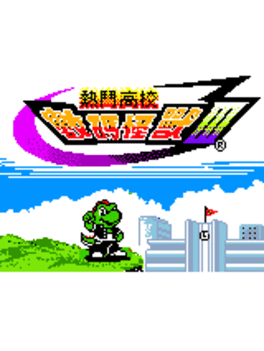
Binary Monsters III - School Fighter (熱門高校 數碼怪獸III) is a Game Boy Color title published by Gowin, and released in 2001. It is the third game in the Binary Monsters series, and Gowin's 5th GBC-released game.Digital Monsters 3
2001
Digital Monsters 3
2001
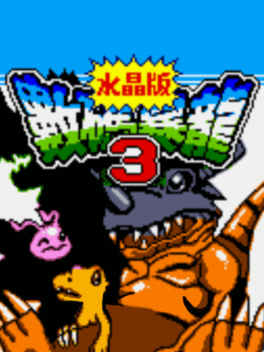
Digital Monsters 3 (數碼暴龍水晶版3, also known as Digimon 3 Ultra Dream Version / Crystal Version and Digimon Ruby) is a bootleg game for the Game Boy Color, released in 2001.Digimon D-3
2001
Digimon 2
2001
Digimon 2
2001
Digimon 2 is a bootleg platform game by Makon Soft for the Game Boy Color. The introduction and main menu song was taken from the original Digimon Adventure Japanese and Latin American anime theme intro. The intro starts with a picture sequence of Agumon evolving into Greymon, transitions into a short FMV sequence of Greymon firing a fire ball, then into a slideshow showing seven of the main human characters, and ends with a few screens of text, before showing the title screen and then the main menu. The intro is well done for a bootleg game, with accurate colors on part with what the system can handle (except for Mimi who has pink skin), a two second smooth FMV, and decently translated English text. The player starts out playing as Agumon with three extra lives. Agumon can jump, and attack by shooting a fire ball from his mouth. On the first level, Betamon can be found as enemies.Dark Seed
2001
Dark Seed
2001
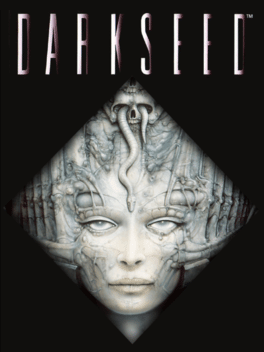
Dark Seed (黑暗之蛊) is an unlicensed port of the DOS and Amiga game of the same name, made by Mars Production and published by Yancheng around 2001 or 2002.Move Fun
2001
Flighty Chicken
2001
Flighty Chicken
2001
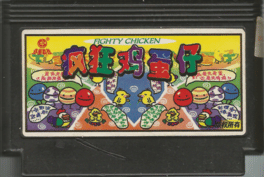
Fēng Kuáng Jīdàn Zǐ (also known as "Flighty Chicken") is a Tamagotchi clone developed by Waixing for the Famicom.The Amazing Dare Dozen
2001
Enjoy the serene atmosphere of the forest and the chirping birds with The Amazing Dare-Dozen game! If you are looking for a way to get away from the stress of daily life, you might enjoy this quirky adventure. Can you believe that the main character is a carton of eggs? Even if it sounds silly, you'll find that excelling in this challenge requires plenty of patience and precision! Your daring mission is to reach the top of the tree by launching eggs from one nest to the other. However, there's a catch! The nests are moving! Besides, a single mistake will cost you one of your precious eggs. As a result, you should move carefully, just like you're walking on eggshells!Hydlide 1•2•3
2001
Hydlide 1•2•3
2001
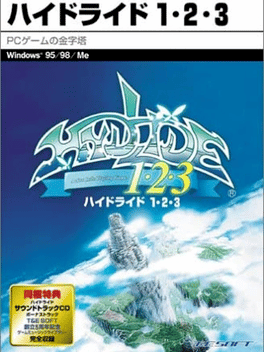
This compilation features T&E Soft's original Hydlide trilogy of '80s action-RPGs. Both the '84 original and Hydlide 3 (aka Super Hydlide) have been remade for Windows users, with new graphics, audio, and quality-of-life additions. These remakes are available via the Arrange Mode option for each game, except Hydlide 2 which lacks said upgrades. Beyond the games themselves, there's a detailed manual with both hints and full answers for tricky puzzles. You can also enjoy the "Hydlide Museum", an included website containing developer commentary, concept art, and other goodies detailing the series' history.Legion Saga
2001
Legion Saga
2001
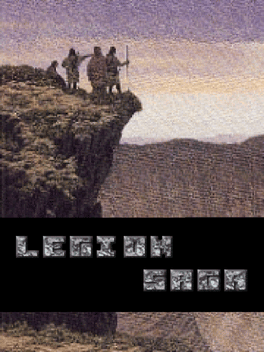
Part one of a trilogy heavily inspired by the Suikoden series, with regards to setting, theme, as well as the gameplay systems of recruiting characters into your army, governing a castle and engaging in large-scale battles.Sonic's Bomb Squad
2001
Sonic's Bomb Squad
2001
Sonic's Bomb Squad is a mobile action game developed and released by Sega in 2001. As with most early mobile games of the time, this title features extremely simple graphics and controls.Sonic Logic
2001
Sonic Logic
2001
Sonic Logic is a mobile puzzle game developed and released by Sega in 2001. As with most early mobile games of the time, this title features extremely simple graphics and controls.Sonic Head On
2001
Frenzy Express
2001
Frenzy Express
2001
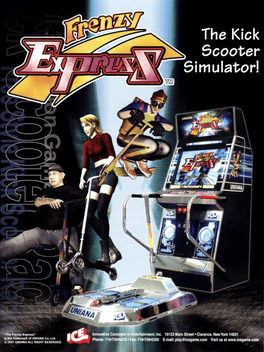
Frenzy Express is a fast-paced simulation game that builds on the worldwide fad "Scooters." The machine's biggest feature is the level of interaction the player gets. The machine contains a actual scooter which the player uses to travel around the stages. The handlebar enables the player to steer and the brake is locate at the back of the scooter. Acceleration is achieved by a wheel with grips, which is located on both sides of the scooter. The player push off the wheel much like he/she would push off the ground if you were riding a real scooter. Gameplay is similar to Crazy Taxi, except instead of picking up and dropping off passengers, the player is a courier and must pick up and drop off packages. The way you reach the drop off point is entirely up to the player, but there is a time limit and each second that ticks by means less money at the drop off point. To make the game more fun, there are many ramps and other objects suitable for jumping and performing aerial acrobatics which earns the player bonus pointsRobin Hood
2001