New Games - Page 12107

Derby Tsuku 2
2001
Derby Tsuku 2
2001
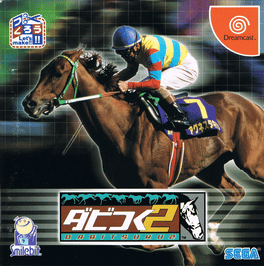
Derby Tsuku 2 (ダビつく2) is a Sega Dreamcast horse racing training simulation released exclusively in Japan.Youkai Hana Asobi
2001
At the Gates of Midian
2001
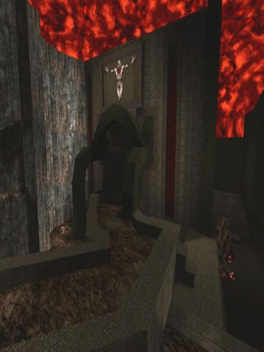
Two maps: a large Metal/Wood fortress in the mountains and a small end battle arena, featuring some modified Fiends and Shamblers. Conveys a certain DOOM-like atmosphere.Ouma ga Toki
2001
Ouma ga Toki
2001
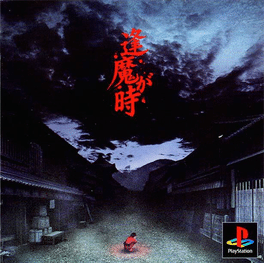
Oumagatoki is an horror first person perspective adventure game that takes place during the summer of 2001 when Tatsuhiro Oka Yuutarou, a young man is chasing a woman (called Kyoko), who was running in Tokyo in the evening. When he catch her a sudden flash of light appears, and they are transported into the Edo Period. He lost his memory, and the player starts to go around the village and during the game he will recover his lost memories. The player will have to solve the mystery. The game is divided into 3 chapters and when the player complete them a fourth one can be played. A save at the end of this game can be used at the start of the sequel Oumagatoki 2.Air Command 3.0: Airport Expansion Set
2001
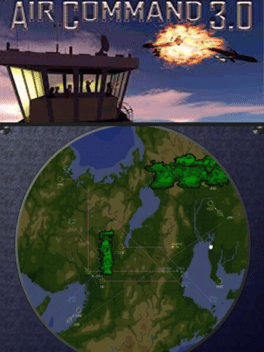
This is an add-on for Air Command 3.0 and adds 34 airports from all over the world, e.g Bahamas, Berlin or Rio de Janeiro.Real Robot Regiment
2001
Real Robot Regiment
2001
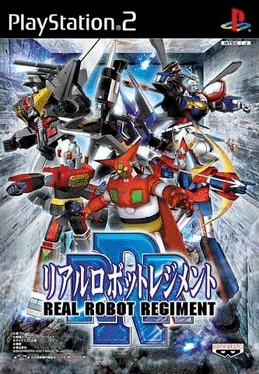
A Banpresto published mech based action game released exclusively in Japan for the PlayStation 2.Everblue
2001
Everblue
2001
Everblue is an adventure game based on scuba diving. The player takes the role of a scuba diver salvaging items from sunken ships and photographing underwater wildlife while either avoiding or confronting predators like sharks. The game also features an inventory system for collected objects, healing items, weapons, and tools, as well as an above water town with shops and NPCs.Jurassic Park III: Park Builder
2001
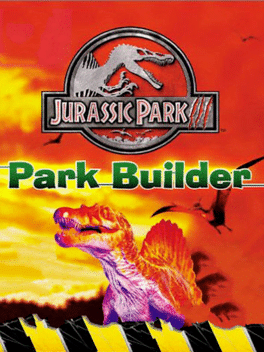
Clearly, the folks who built the original park were guilty of a few oversights. Think you can do any better? Try your hand at plotting out all of the details of the creation and management of a dinosaur park in JURASSIC PARK III: Park Builder. A strategy-simulation title of the highest caliber, the game leaves you in charge of 100 dinosaur species you have the task of placing them and maintaining their health. Of course, there's also the matter of the restaurants, shops, rides, and other attractions. If the park you create is too boring, poorly maintained, or excessively expensive, no one will show up, so you'd better use some seriously discerning judgment. In addition to managing the park, you'll have to pick up DNA strands from throughout the park to create new dinosaurs to keep the people coming back. Does it sound like too much to handle? Just wait until one of your prehistoric pals escapes on opening day.Alien Front Online
2001
Alien Front Online
2001
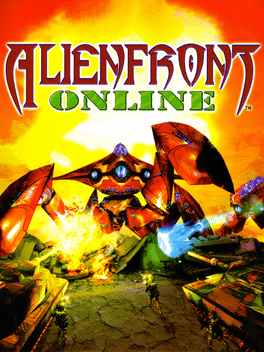
Alien Front Online is a Dreamcast video game originally released for the console in 2001. In the game, players use armored vehicles to fight tense battles staged in large, interactive arenas. Players could choose which side they wished to fight for, the aliens or the human defenders of Earth, and could also choose one of three different vehicles to combat with; each having its own advantages and disadvantages. Although Alien Front was fully playable for one person, it was primarily designed as an online game in which up to 8 players (up to 4 on each side) could battle it out. Players move around the arena attempting to blast each other with their weaponry, while also looking for power-ups that will enhance their ability to wreak massive destruction. Typically, the game was played for a set number of minutes, after which the team with the most kills would be declared the winners. Being killed while playing the game had no serious consequences (you simply respawned in a different part of the area you were in), but iEldorado Gate Volume 6
2001
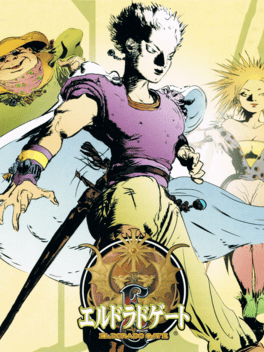
El Dorado Gate is console gaming's first serial RPG series, where each Dreamcast GD-ROM contains 3 seperate (though interrelated) adventures, each telling a story of one of the series' 12 characters. There's 7 volumes in all, the first few introducing the characters whilst the later volumes flesh out how their stories are related, leading to the finale. Part of Capcom's experiment of serializing an RPG over a year with one part every other month.Shogun: Total War - Mongol Invasion
2001
star 7.5Set in the Mongol invasion of Japan, this expansion pack features additional content, missions and the new playable faction of the Mongols. Historically the Kublai Khan, leader of the Mongols met catastrophic weather on the journey to Japan and so the invasion plan was abandoned before it ever truly began. In this expansion however, the Creative Assembly have re-written this detail in the name of strategy-based gaming. In the Mongol Invasion the invaders successfully land on the shores of Chikuzen. As either the Mongols or the ruling Hojo clan of Japan it is up to you to take Japan in the name of the Khan or repel the invading force and secure your homeland’s freedom.Shogun: Total War - Warlord Edition
2001
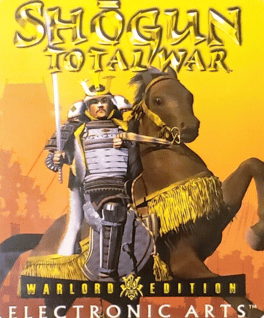
The Warlord Edition contains the complete Shogun: Total War game, plus two expansion packs: Invasion of the Mongol Horde and Campaigns of the Three Unifiers. These expansion sets include new military units, terrain, buildings, and scenarios.King's Quest I: Quest for the Crown
2001
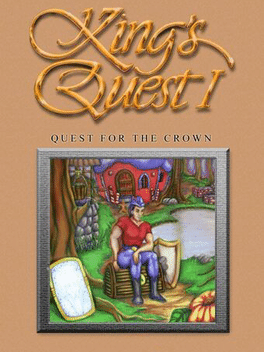
star 7.3King's Quest I: Quest for the Crown, a revolutionary game designed by Roberta Williams and first released in 1984, epitomizes the classic adventure gaming experience. This game was the first of its kind which allowed the player to interact in an entirely original 2.5D world, and can be credited as the game that started graphic adventure gaming on the PC. Though the original AGI parser-based version is outdated and primitive-looking by today's gaming standards, in 1984 it was revolutionary. King's Quest I was not only groundbreaking, but also history in the making. It was followed by seven sequels bearing the King's Quest title. In 1990, Sierra released a remake of King's Quest I, taking advantage of newer technology and graphics (using their SCI engine, 16 color EGA graphics, sound card, and mouse support). Unfortunately, this version ended up being a total market failure. As a result, it was highly unlikely that Sierra ever had thoughts of making an even further updated Point-and-Click version of King's Quest I tWWF Betrayal
2001
WWF Betrayal
2001
It seems that there's a conspiracy afoot in the WWF! All of the other wrestlers have conspired against you, kidnapped Stephanie McMahon, and stolen the WWF Heavyweight Title belt. Choose to play as the Rock, Triple H, the Undertaker, or Stone Cold Steve Austin in this story-based wrestling game. You'll roam the streets, taking down thugs and seeking out valuable information along your journey to redemption. There'll be plenty of objects to pick up and throw, scenery to destroy, and havoc to wreak, but the only weapons you'll be given are your own bare fists and a solid pair of boots. Other weapons (steel pipes, cakes, and mailboxes) are available, though you'll have to defeat a few foes to earn them. Tons of power-ups are strewn throughout the game, but you'll be lucky if you can free up the time and energy to get to them. Awesome graphics, tough boss characters, and a great story make this one unique wrestling title.NFL GameDay 2002
2001
NFL GameDay 2002
2001
NFL GameDay 2002 is the seventh video game in the NFL GameDay series. It was developed by 989 Sports and Red Zone Interactive and published Sony Computer Entertainment America for the PlayStation and the PlayStation 2 in 2001. On the cover is Donovan McNabb.Taiko no Tatsujin 2
2001
Taiko no Tatsujin 2
2001
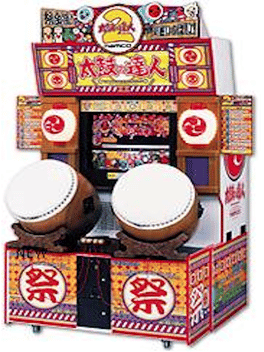
A sequel to the original Taiko no Tatsujin Arcade game, featuring 13 new songs and new difficulty settings.Shenmue II
2001
Shenmue II
2001
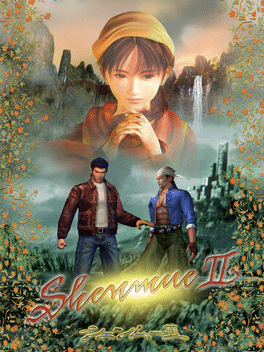
star 7.6Yu Suzuki's cinematic masterpiece returns with more spellbinding adventure and an even more immersive world. The epic continues as Ryo Hazuki arrives in Hong Kong on his quest to avenge his father's murder by the warlord Lan Di and unravel the mystery of the Phoenix mirror. Set in Hong Kong, Kowloon, and Guilin, you'll travel through breathtaking scenery, rich with mountainous wilderness, traditional Taoist temples, and stunning tropical landscapes. As you move through massive, highly-detailed 3D worlds, you'll interact with almost every facet of your environment as well as a whole new cast of characters. Originally released on Dreamcast in Europe and Japan, this Xbox edition marks the sequel's debut in the US and includes the Shenmue Movie chronicling the first episode in the series.Ceremonial Circles
2001
Ceremonial Circles
2001
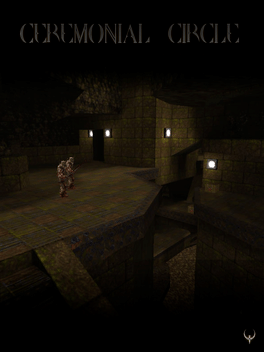
Ceremonial Circles is a Large Vertical Wizard map made by CZG. This singular, yet large map totals an average of half an hour for experienced players.Woody Woodpecker: Escape from Buzz Buzzard Park
2001
Woody Woodpecker: Escape from Buzz Buzzard Park is an adventure game. The progress in the game is based primarily on the skill and dexterity needed to overcome obstacles that present themselves (to cross chasms, climb walls) or unblock access to the following level by manipulating objects (Woody sometimes needs use his beak to that effect). The game features a battle against Buzz Buzzard's minions, where Woody can use his beak or special attacks to fight.Alcohol & Ammo
2001