New Games - Page 12209

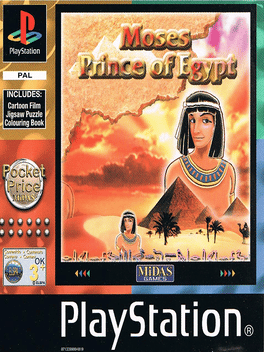
Moses Prince of Egypt
2000
Found by the river, and adopted into the royal family of Egypt, Moses must start on a quest to save his true people, the Israelites, from misery at the hands of their cruel Pharaoh. As well as a great half-hour cartoon video, Moses: Prince of Egypt features an easy-to-use virtual colouring book and a challenging puzzle game. Can the prince of Egypt fulfil his destiny?Death Crimson OX
2000
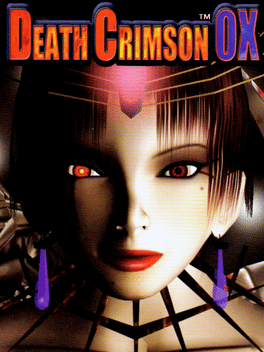
Death Crimson OX
2000
Death Crimson OX is a light gun shooting game developed by Ecole. It was released in arcades in 2000 then ported to the Dreamcast console in 2001 (published by Sammy Entertainment), several months after Sega had dropped support for the console. It is the third game in the Death Crimson series, and the only one to be released outside Japan. The game can be played with either a standard controller or a light gun.Fire Pro Wrestling for WonderSwan
2000
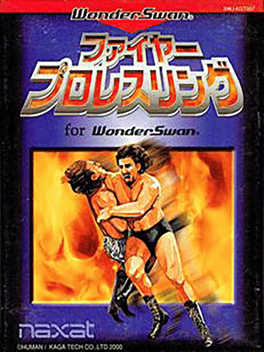
The greatest pro wrestling simulator is now on Wonderswan, allowing you to bring the action with you anywhere you go. Involve yourself in MASTER OF RING, the new management mode taking you through the ranks of wrestling, and create a wrestling legend with the edit mode.Tetris: The Absolute - The Grand Master 2
2000
Arika's challenging puzzle-action series continues with new game modes, challenges, and mechanics innovations.Sudden Strike
2000
Sudden Strike
2000
star 8Sudden Strike is a World War II real-time tactics game released by CDV Software and developed by Fireglow. Players command Soviet, German, or Allied forces in combat scenarios that emphasize tactical decision-making over resource management and base building. The game features realistic military physics where terrain, buildings, and environmental factors affect unit performance and combat outcomes. Units can take cover in buildings, conduct reconnaissance, and require repairs when damaged. The expansion pack, Sudden Strike Forever, adds historically authentic units like the 1944 T-34 tank, new desert and snow environments, plus additional campaigns focused on specific military operations. The game includes multiple scenarios across various theaters of war, with players managing combined arms forces of infantry, tanks, and artillery while adapting to battlefield conditions and limited resources.Stunt Racer 64
2000
Stunt Racer 64
2000
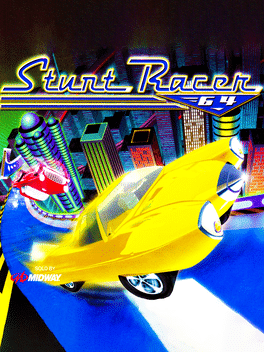
Set in some unspecified time in the future, the gameplay includes more than simple racing. Older vehicles (primarily those regarded even today as classics) are retrofitted with futuristic engine and turbo technology, in addition to jets mounted to allow the car to perform midair stunts. These stunts, including flips, barrel rolls, etc., allow the player to accumulate cash rewards during races on levitating tracks. Money accumulated is used to purchase new cars, as well as upgraded parts for cars (This increases the value of the vehicle. Oddly enough, this feature is relatively useless because vehicles can't be sold.)Pirates, Vikings and Knights
2000
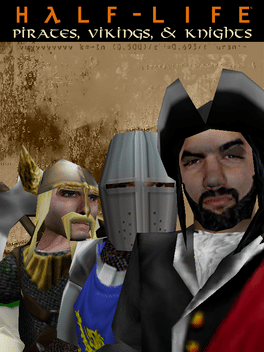
PVK is a modification to Valve Software's Half-Life, featuring three-way action between very unique teams, each from wide-ranging historical time periods, and composed of very unique classes. Here in the PVK universe, fun is emphasized over realism: there's plenty of fun to spread around! Both team cooperation and individual merit may play large roles at different times. Similarly, calculated genocide and reckless kamikaze attacks will coexist! You'll find all the sadistic, maniacal gore or absurdist existential humor anyone could want! So no matter who you are, you will be able to find your "bag" here, baby.3D Ultra Lionel Traintown Deluxe
2000
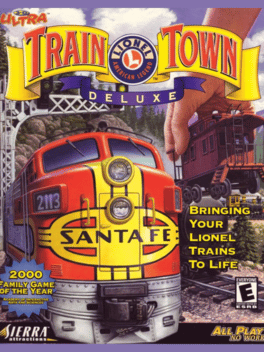
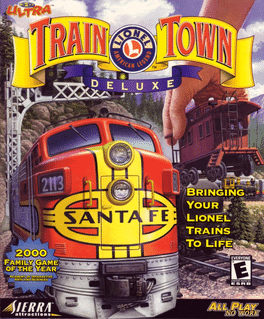
With 3-D Ultra Lionel Traintown Deluxe, you can build the ultimate railroad system without cluttering up the entire basement. Construct a maze of rail lines for freight and passenger trains to ship goods and people from place to place, become the engineer of a steam engine, or even manage several trains at once as they pick up and deliver needed goods to the factories near the track. Track repairs, coupling and decoupling cars, refueling, track switching--all of the basic concepts that rule the railroads are covered in 3-D Ultra Lionel Traintown Deluxe.EZ2Dancer
2000
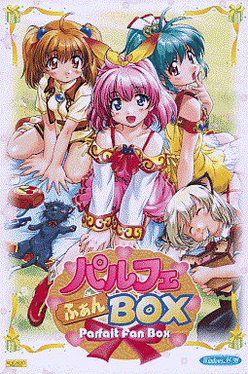
Parfait Fan Box
2000
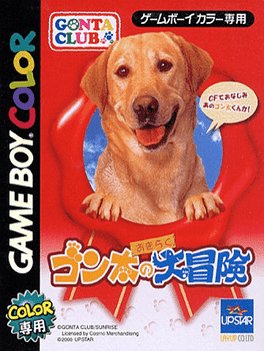
Gonta no Okiraku Daibouken
2000
Gonta no Okiraku Daibouken is an Adventure game, published by Lay-Up, which was released in Japan in 2000.Daikatana
2000
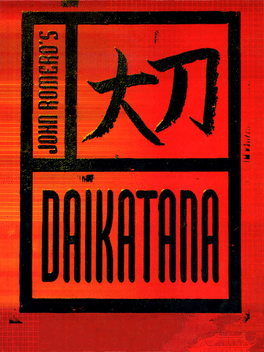
Daikatana
2000
Unlike the first-person shooter for PC and Nintendo 64, the Game Boy Color version of Daikatana was a top-down action-adventure game.Shinseiki Evangelion Mahjong Hokan Keikaku
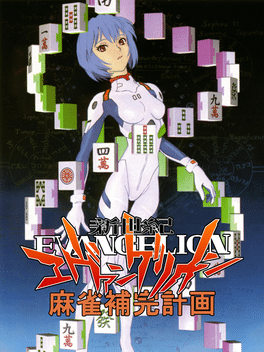
2000
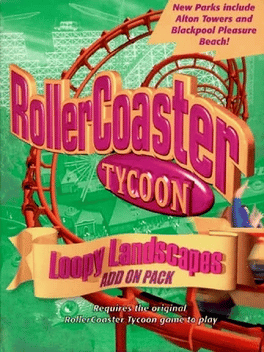
A traditional mah-jong game starring the cast of the popular anime series.RollerCoaster Tycoon: Loopy Landscapes
2000
star 7.8The second expansion of RollerCoaster Tycoon, Loopy Landscapes includes Corkscrew Follies, the first expansion, as well as all-new rides, scenery, and scenarios.Disney's Tigger's Honey Hunt
2000
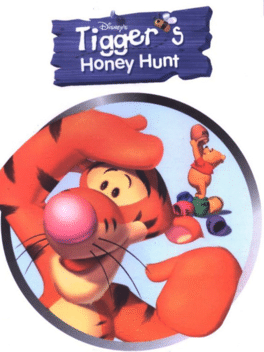
star 7Winnie the Pooh needs YOU! How can he throw a party without honey? Play as Tigger and run, jump, and bounce around the 100 Acre Wood in search of Pooh's "most favorite" snack. Along the journey there'll be plenty of challenges - blustery blowing leaves to ride, icy terrain, falling boulders, menacing bees, pesky bats and more. Earn Tigger's very special "Tiggertastic Bounce" as a bonus!Harvest Moon 3 GBC
2000
Harvest Moon 3 GBC
2000
star 8.2The third Harvest Moon release on Game Boy. A direct sequel to Harvest Moon 2, it is set on an island off the mainland, the player is tasked with reviving the farm and turning around it's fortunes using two unique playable characters, a first for the series.Seireiki Rayblade
2000
Seireiki Rayblade
2000
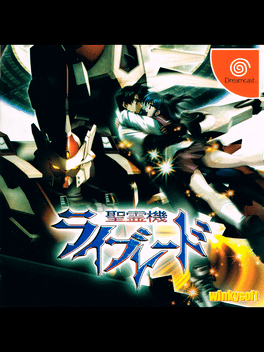
Seireiki Rayblade is a Japanese tactical RPG game developed by Winkysoft as its first original title apart from the Super Robot Wars franchise, while serving as the foundation for the Masou Kishin Series for its sequels after LoE.