New Games - Page 12289

Dragon Castle
1999
Dragon Castle
1999
Released in 1999, Dragon Castle was a PC game based around combating enemies from your castle.Classic Bubble Bobble
1999
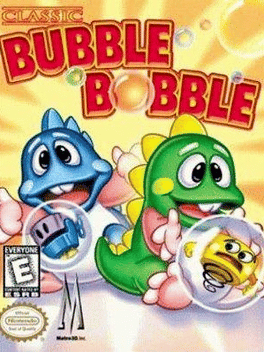
Classic Bubble Bobble is a remake of the original Bubble Bobble on the Game Boy Color platform.Dinosaur Adventure 3-D
1999
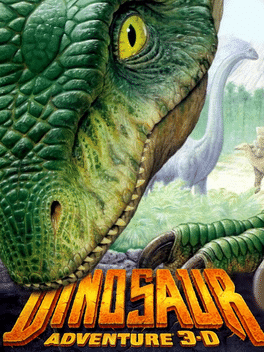
A dinosaur-themed educational game. Should not be confused with 3-D Dinosaur Adventure. Velociraptor, Stegosaurus, the Mighty T-Rex: creatures your child has been fascinated with since the beginning of time. Now explore them on the computer! Welcome to Dinosaur Adventure 3-D, your virtual exploration in the prehistoric world of dinosaurs. This all-new version of the award-winning original combines the latest in 3-D technology with outrageous game play that your kids will love!Traitors Gate
1999
Traitors Gate
1999
Infiltrate the Tower of London and steal the Crown Jewels utilizing a variety of tools and gadgets in this first person adventure.T-Zer0
1999
T-Zer0
1999
T-Zer0 (formerly Trauma Zero) is an arcade, side scrolling, shooter with a sci-fi theme. The game is AGA (over 256 colour graphics), scrolls at 50hz with a 2-player coop option, featuring a choice of three ships to control, two main gameplay routes with collectibles, power-ups and enemies to defeat.Disney's Winnie the Pooh Preschool
1999
Disney's Winnie the Pooh Preschool is a point and click educational game based on characters and material created by the author/illustrator team of A.A. Milne and E.H. Shepard. It is a companion game to Disney's Winnie the Pooh Toddler and Disney's Winnie the Pooh Kindergarten.Jiàn zhī Hún
1999
NFL Fever 2000
1999
NFL Fever 2000
1999
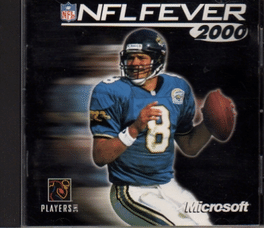
There are people who watch football–and then there are people who play football. Get ready for the most authentic and hard-hitting NFL PC game you’ve ever experienced: every bone-jarring tackle, every blitz, rush, and sack. Introducing NFL Fever 2000-this is the NFL with attitude. With striking 3-D graphics and dynamic camera angles that will blow you away, NFL Fever pulls you off the couch and throws you into the heart of the action. Dare to go facemask to facemask with the league’s best! You’re Mark Brunell calling an audible as Bruce Smith stares you down. You’re Joey Galloway a step ahead of Deion Sanders on a go route. You’re Dorsey Levens pounding out short yardage against the Steelers’ front four on the frozen Lambeau turf.The Oregon Trail: 4th Edition
1999
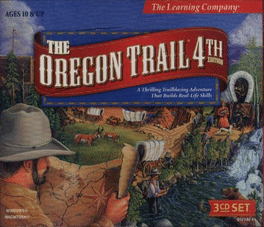
The Oregon Trail: 4th Edition is a resource management simulation where you lead a wagon party westward across America in 1848, starting from Independence, Missouri. Make tough decisions to manage supplies and overcome obstacles as you journey toward the frontier. Select two companions to travel with you—if both abandon the journey, the game ends. At towns and landmarks, explore locations using full-motion video or 3D graphics to interact with the environment and gather information for your expedition.Tlon: A Misty Story
1999
Tlon: A Misty Story
1999
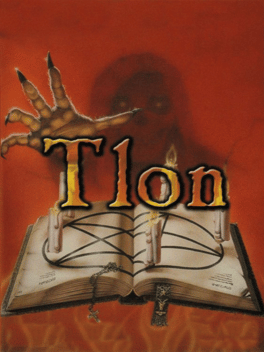
Tlön: A Misty Story is a third-person point-and-click adventure game with action elements. It is based on the general ideas of the short story Tlön, Uqbar, Orbis Tertius (published in 1940) by the Argentinian writer Jorge Luis Borges.Evel Knievel
1999
Evel Knievel
1999
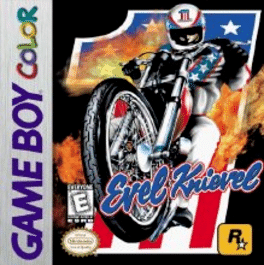
You are in the boots of daredevil Evel Knievel. Keep your head cool and your bike level as you ramp your way through four different cities.Saints of Virtue
1999
Saints of Virtue
1999
Christian themed first-person shooter where you battle giant floating heads repenting Pride, Fear, Vanity and Self-righteousness.Well of Souls
1999
Well of Souls
1999
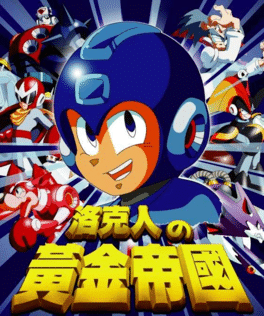
A free online multiplayer RPG that lets the user create their own quests and worlds.Rockman no Huángjīn Dìguó
1999
A video game released for home computers only in Taiwan. It is very similar to monopoly. you simply acquire assets by rolling the dice and spending money. Winning or loosing doesn't seem to have an effect on the storyline.Deephome
1999
Deephome
1999
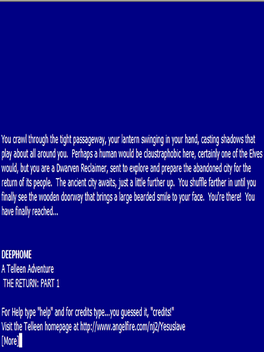
The game focuses on a Dwarf who returns to the abandoned city of Deephome in the west part of the world. The city is overrun by dark spirits and has been abandoned for hundreds of years. The dwarven reclaimer is sent to exorcise the spirits and get the city into running order once again.Body Glove Bluewater Hunter
1999
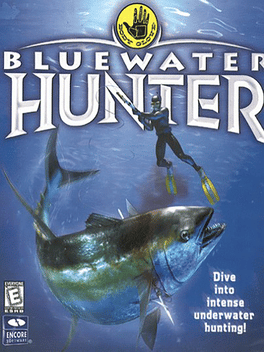
Body Glove Bluewater Hunter is game based on the sport of spearfishing. Travel to different locations to hunt different species of fish and overcome the dangers involved.Hugo 2 1/2
1999
Rockett's Camp Adventures
1999
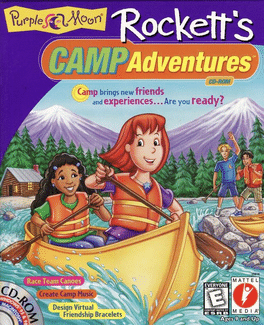
The sixth and final game in the Rockett Movado series of visual novels.Alex Builds His Farm
1999