New Games - Page 12908

Wayne's World
1993
Wayne's World
1993
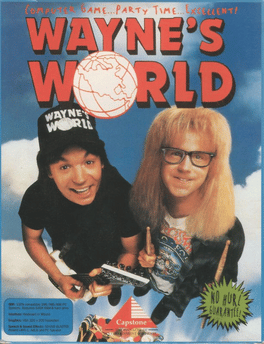
Wayne's World is an adventure game based on the movie with the same name. The game itself is a classic point and click adventure, and should not be confused with the platform game based on the movie. You play both Wayne and Garth, and you can switch between them at any time. The plot is simple; In an attempt to save their tv-show, Wayne and Garth decide to hold a pizza-thon (a charity show with a pizza-theme) in order to raise money. In order to be able to hold the pizza-thon Wayne and Garth must embark on several quests to collect items and hire people they need for the show. The adventure includes participating in babe-jeopardy, joining a biker's gang and baking pizza. The graphics are in 2D and the sound contains several samples from the movie.Serf City: Life is Feudal
1993
star 4.1A strategy game with cartoony graphics and an innocent line in humour. At the start of the level you choose a starting point, the intention being to get lots of flat land as well as resources to mine and ideally existing sources of trees, stones and water (for fish). Your people are vying for supremacy with up to 3 others. The gameplay focuses on resource management. Each building requires a certain amount of wood (and stones for some of them) to be constructed and requires particular resources to perform its function successfully. Food must be produced (either fish, bread (requiring a windmill, grain-farmer and baker) or pork (requiring a pig-farmer and butcher as well as the grain-farm) to feed the people working in mines to produce the iron, coal and gold (as well as additional stones). Huts and Watch-Towers are built to expand your territory, sometimes at the expense of an enemy's land (clever play involves targeting an area where your opponent has a crucial building, thus compromising his production). To fiB.O.B.
1993
B.O.B.
1993
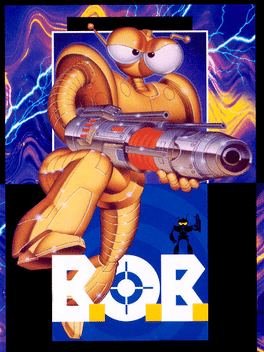
star 6B.O.B. (known in Japan as Space Funky B.O.B.) is a video game that was released in 1993. It is a side-scrolling game, a 2D shooter and a platform game.Shadow Force
1993
Dust: A Tale of the Wired West
1993
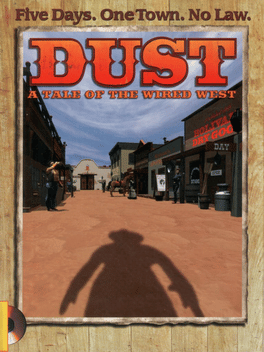
star 7.9Dust is a point-and-click adventure game with integrated full-motion-video characters. Players explore the town of Diamondback, New Mexico in the 1880's solving mysteries and enacting vigilante justice.Hello Kitty no Tanoshii Butoukai
1993
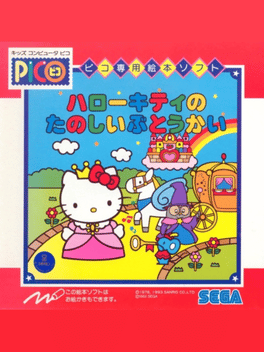
a Sega Pico game based on the Hello Kitty franchise and a launch title for the console in Japan. It was only released in Japan and in Brazil, where it is known as Hello Kitty No Castelo.Viper-V6
1993
Viper-V6
1993
Viper V-6 is the first in the long-running Viper series of animated adult games. It contains three separate stories:The Devil Came* tells the story of a teenager named Ogawa, who was unpopular in his class and summoned a demon to exact revenge. But the demon turned out to be female, so his wishes naturally assume a different direction... Afternoon describes a scene during a beauty contest. The defeated participant thinks that she was unfairly judged, but her fury at the winner turns, in front of the amazed spectators, into erotic desire... Double Impact features two young female detectives, Miho and Kumi, who pretend to search for jobs as maids in order to infiltrate a mansion in which mysterious disappearances have been taking place. All the three stories are very short and can perhaps be better described as "scenes"; the entire game can be completed within several minutes. The interaction is reduced to absolute minimum, with an occasion decision to make, and is available only in The Devil Came (in which it isMazinger Z
1993
Mazinger Z
1993
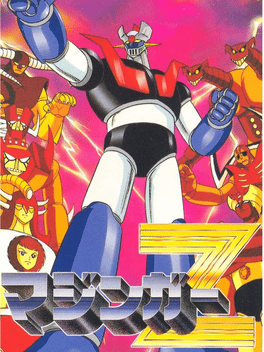
Mazinger Z is a beat 'em up styled platformer video game for the Super Famicom released on June 25, 1993 based on the Mazinger Z anime. It was developed by Winkysoft and published by Bandai; featuring the major cast members and a wide variety of Mechiancal Beasts that the Mazinger has to fight.Silva Saga II: The Legend of Light and Darkness
1993
A fantasy turn-based RPG sequel developed by Seta for the Super Famicom, which allows for multiple parties. It is the third game in the Minelvaton Saga.Booby Boys
1993
Booby Boys
1993
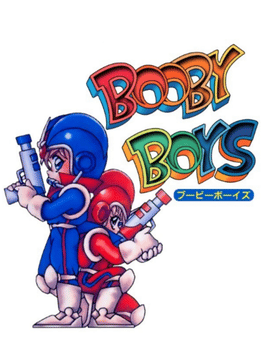
Booby Kids is an action video game for the Nintendo Family Computer. This video game is the home conversion of Nichibutsu's arcade game, Kid no Hore Hore Daisakusen (キッドのホレホレ大作戦), that was originally supposed to be named Booby Kids. In 1993, Nichibutsu released for the Game Boy a similar game entitled Booby Boys.Shining Force: The Sword of Hajya
1993
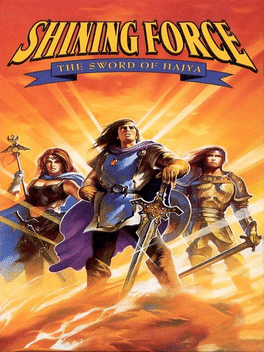
star 7.5The peaceful kingdom of Cypress has suddenly been disrupted by the corrupt ambition of the evil King Iom. Terror rampages across the land. The Castle of Cypress is invaded and the magical Sword of Hajya is taken! It will take strength, courage, agility and your keen sense of strategy to defy this ominous power.Smash Tennis
1993
Smash Tennis
1993
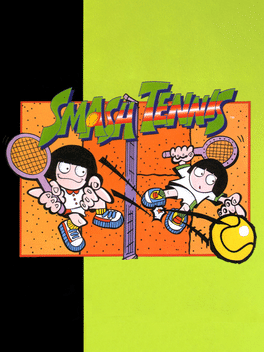
star 7.9Smash Tennis is a tennis game that was created by Namcot for the Super Nintendo in 1993. It was released in Europe as Smash Tennis by Virgin Interactive. A North American release of the game wouldn’t be seen until February 2020 where it would be part of the Nintendo Switch Online lineup. The controls of Smash Tennis work similar to other tennis games and especially Namco's previous tennis game World Court Tennis: the player moves the athlete over the court and presses buttons with the correct timing in order to win the match. This time there is no story mode, but a tournament mode instead. Here the goal is to win the Grand Slam by playing various tournament matches. However. a match only has a single set. There are 20 athletes (both male and female) to choose from which have different advantages and drawbacks.Power Tennis
1993
Power Tennis
1993
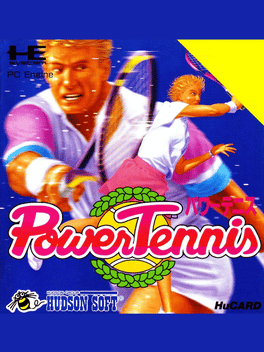
Power Tennis is a tennis game. It features three modes: singles, doubles, and world tour. Countries featured include Japan, the United States of America, the United Kingdom, Australia, and France. The player can choose between various athletes, and different types of courts (hard, lawn, and clay).Gekitotsu Dangan Jidousha Kessen: Battle Mobile
1993
Gekitotsu Dangan Jidousha Kessen: Battle Mobile (roughly "Breakthrough Bullet: Final Car Fight: Battle Mobile") is a vehicular combat game from System Sacom, which was released on the Super Famicom in Japan only. The story concerns a newlywed couple who are accosted by Mad Max-esque highway bandits, leading to the death of the wife. The aggrieved husband spends the following year building a high-tech combat vehicle out of a sports car and is determined to make the bandits pay. The game plays like a mix of a vertically scrolling shoot 'em up and a racing game, where the best means of removing on-screen enemies is by charging into them. Out-of-reach enemies, like helicopters, can be taken down with missiles instead.Sangokushi Seishi: Tenbu Spirits
1993
San Goku Shi Seishi: Tenbu Spirits is a Strategy game, developed and published by Wolf Team, which was released in Japan in 1993.GP-1
1993
GP-1
1993
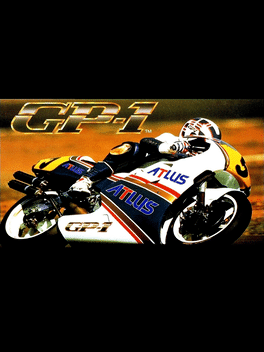
GP-1 is a motorcycle racing game developed by Genki and published by Atlus for the SNES, which was released in 1993.Golden Axe III
1993
Golden Axe III
1993
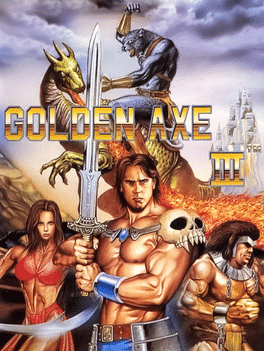
star 7.6Chaos is spreading across the land once again as the Prince of Darkness arises to conquer the world. To stop him and retrieve the legendary Golden Axe, four heroes step forward to accept the challenge.A-Rank Thunder Tanjouhen
1993
A-Rank Thunder Tanjouhen (Aランクサンダー 誕生編?) is a adventure game released in 1993 on Mega-CD. The game was developed by Riot and released by Telenet. The game's cover art was created by Yasushi Nirasawa, in his position as a model-builder for Hobby Japan magazine.Lufia & the Fortress of Doom
1993
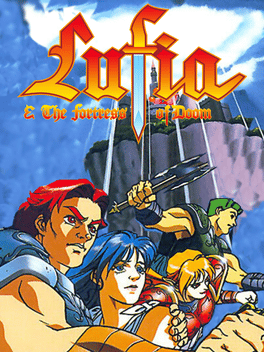
Satellaview Super Nintendo Entertainment System Sega Mega Drive/Genesis Legacy Mobile Device Super Famicomstar 6.8The Sinsitrals, four masters of Doom, arrived in this land on their floating island 100 years ago. You will begin your quest by travelling through time to join in a temendous battle against them--and you will determine the outcome. When you return to present time, you and Lufia, your companion, must join forces with two others to prevent the Sinistrals from regaining control of your world. It will be a long and difficult task--This land is larger than that of most RPG games. And in the end, the balance of fate will be overturned in a contest of love and betrayal that could destroy you all.Day of the Tentacle
1993
Day of the Tentacle
1993
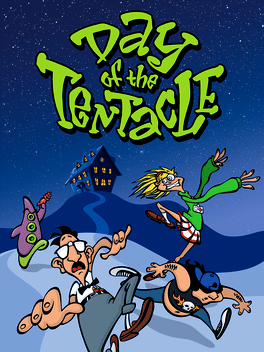
star 8.9Day of the Tentacle, also known as Maniac Mansion II: Day of the Tentacle, is a 1993 graphic adventure game developed and published by LucasArts. It is the sequel to the 1987 game Maniac Mansion. The game's plot follows Bernard Bernoulli and his friends Hoagie and Laverne as they attempt to stop the evil Purple Tentacle — a sentient, disembodied tentacle — from taking over the world. The player takes control of the three and solves puzzles while using time travel to explore different periods of history. Dave Grossman and Tim Schafer co-led the game's development, their first time in such a role. The pair carried over a limited amount of elements from Maniac Mansion and forwent the character selection aspect to simplify development. Inspirations included Chuck Jones cartoons and the history of the United States. Day of the Tentacle is the eighth LucasArts title to use the SCUMM engine, and the company's first title to feature voice acting. The game was released simultaneously on floppy disk and CD-ROM to criti