New Mac Games - Page 230

Gnah!
1989
California Pro Golf
1989
California Pro Golf
1989
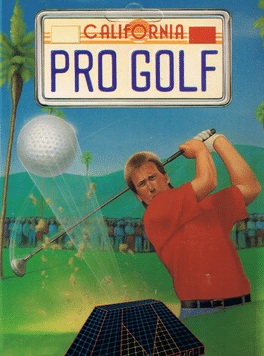
A hole in one - A 270 yard drive - A five Iron shot within 5 feet of the pin, - A single putt! No you are not dreaming it's just another round of golf on a sun-soaked California links course! Should you fade, draw or hit under the wind? Should you punch your approach shot onto the green? These are just some of the options and features crammed into this superb golfing simulator.Naxat Open
1989
Naxat Open
1989
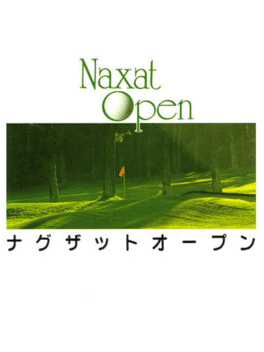
Naxat Open is a golf simulator from Naxat Soft. Naxat Soft hired contract developers TOSE to develop the game. Released the same week as Power Golf, Naxat Open aimed for the more serious simulation crowd whereas Power Golf appealed more to those looking for a more casual golfing video game experience. Besides a harsher level of challenge - the acceptable window of error is greatly diminished - Naxat Open plays much like other golf sims for console games: the gameplay chiefly focuses on hitting a power gauge just right to maximize the effect of each swing.Chinese Karate
1989
Chinese Karate
1989
Chinese Karate is a one-on-one fighting game featuring hand-to-hand combat and flying kicks. Players control a white-robed fighter through a six-match tournament against red-robed opponents, aiming to deplete the enemy's health bar within two 99-second rounds. Each fight takes place in a different location with increasing difficulty. Between matches, players participate in bonus stages where they destroy flying objects like balls and vases for extra points. Victory is achieved by knockout or having more remaining health when time expires.Skate Wars
1989
Skate Wars
1989
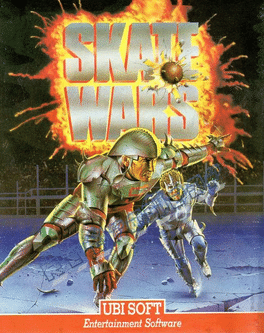
Skateball is a futuristic sports game that combines ice skating, soccer, and arena combat on hazardous courts filled with deadly obstacles. Players compete to score goals or eliminate the opposing team through fast-paced, physical gameplay.Projectyle
1989
Projectyle
1989
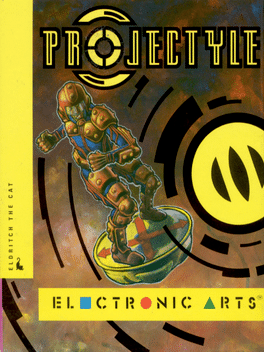
Projectyle is a single or multiplayer (1 to 3 players) hockey-type sports game of the future. It features smooth-scrolling, frantic action, colorful graphics and digital music. A total of five goal rooms, arranged in the shape of a cross, are connected with tunnels. The camera smoothly follows the puck/ball (the "projectyle") and scrolls to the adjacent rooms when entering one of the connecting tunnels. Each player, whether computer-controlled or not, has a room in which his own goal is located (their "defense" zone.) A fourth room -- the Frantic Zone -- contains a goalmouth for each player, while the central room, where action begins, allows access to the four other rooms. The object of the game is for each player to protect their own goal while trying to bring the puck/ball into the other players' rooms to score a goal. Bonuses appear randomly in the rooms, allowing the player who passes on them to gain some benefits, such as freezing the other players for a few seconds, gaining extra stamina, or sealing exKick Off
1989
Kick Off
1989
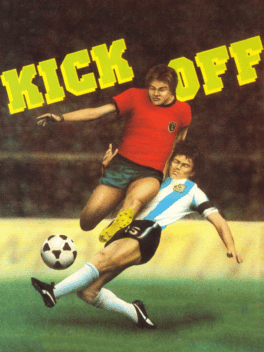
Atari 8-bit Commodore C64/128/MAX ZX Spectrum Super Nintendo Entertainment System Atari ST/STE Amiga Amstrad CPC Nintendo Entertainment Systemstar 6.9Kick Off was the first football game of its kind, having a top-down view and unlike other football games of that time, the ball was not glued to the feet of the players.Billiards Simulator
1989
Billiards Simulator
1989
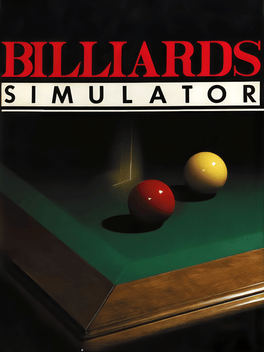
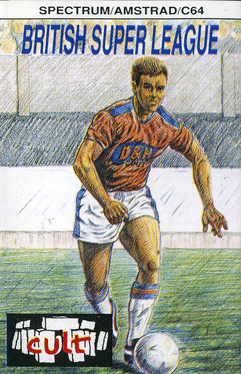
Billiards Simulator is a carom billiards game which is played with three balls and on a table without pockets. In the first phase of the shot, the cue is aligned to the ball. Here the player can either use the full 3D perspective or a top-down view. After that, the used cue (there are three), the spin and the strength of the shot is chosen by aligning diagrams and sliders. Then the shot is performed and points assigned. Additionally the player can set certain parameters to change the game experience, e.g. ball weight, friction or rebound.British Super League
1989
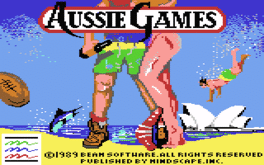
Australian Games
1989
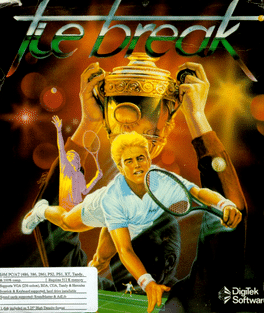
Adidas Championship Tie Break
1989
This tennis simulation uses a top-down scrolling perspective. You are not in control of the player's motion, but once he gets close to the ball, shot selection is down to you. Standard shots plus topspin, lobs and stop volleys are available, by pushing the joystick in the right direction as you aim the shot. The game supports up to 16 players in singles matches on a variety of court surfaces. It includes all of the major world tournaments - the four Grand Slam events at Melbourne, Roland Garros, Wimbledon and New York, plus the Davis Cup and Masters events. An early attempt at TV-style coverage is offered.Superleague Soccer
1989
Steve Davis World Snooker
1989
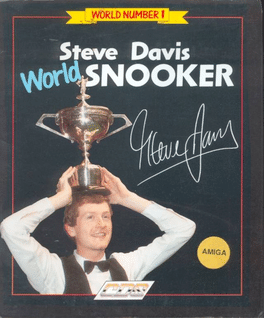
A 16-bit snooker, pool, and billiards simulator featuring the branding of snooker champion Steve Davis.HardBall II
1989
Beach Volley
1989
Beach Volley
1989
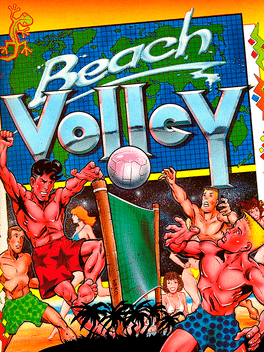
Beach Volley is a simplified computer game version of volleyball from the French developer team Ocean France for various 16-Bit and 8-Bit personal computers, released by Ocean Software Ltd in 1989.