New Adventure Games - Page 497

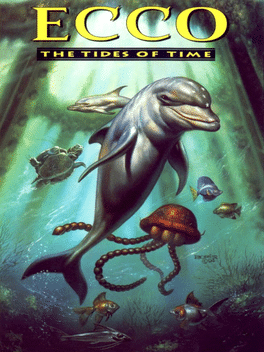
Ecco: The Tides of Time
1994
star 7Ecco must stop the Vortex! He is “the stone that splits the stream of time.” He now faces his most dangerous quest yet. For it is not just his dolphin pod at stake, but the Earth and all living beings!Onigami Korinden Oni
1994
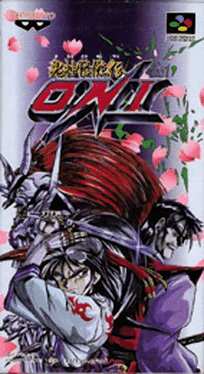
Onigami Korinden Oni
1994
The first Super Famicom game (and the fifth game overall) in an RPG series based on Japanese mythology.Ghost Sweeper Mikami
1994
Ghost Sweeper Mikami
1994
Ghost Sweeper Mikami (GS美神) is a video game released only in Japan for the PC Engine Super CD-ROM² in 1994 by Banpresto. It is an adventure game with card battles.Puppet Tale
1994
Desire
1994
Desire
1994
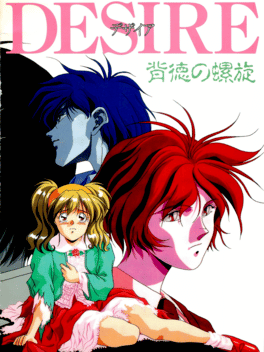
In the southern ocean on a remote island is a huge research institute called "Desire". An institute built by the large, world renowned financial group, Grandchester Foundation. It's rumored they are involved in military-related research, but what it is exactly is kept a carefully guarded secret. For this reason, a journalist for SNT (Social News Time Network), Albert Macdgul (or Al for short) visits "Desire" in order to collect information for a story. He's one of the rare few who have been granted access to "Desire". So it's in high spirits that he sets forth to complete his story. While at "Desire" he meets a girl named Tina, who is suffering from memory loss. She is destined to change his fate forever. Murder, bomb threats, mysteries shadowing her existence... How far will the chaos go? On the other hand, Makoto Izumi, technical manager at "Desire", finds out how dangerous their research is, and asks her boss, Dr. Stella, to stop all the experiments. Then she finds out that someone on the outside is going to intKiteretsu Daihyakka Bouken Ooedo Jyuraki
1994
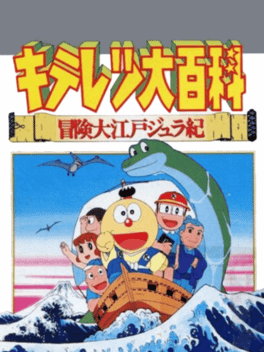
This is a side-scrolling type action game. The player controls Korosuke and aims to clear a stage by jumping and slashing only. Each stage consists of an action part and a mini-game part, and the score of the stage is the sum of the remaining HP at the time of clearing the action part and the score of the mini-game. The ending of the game changes when the average score of all stages reaches 100.ToyMaker
1994
Blonde Justice
1994
Blonde Justice
1994
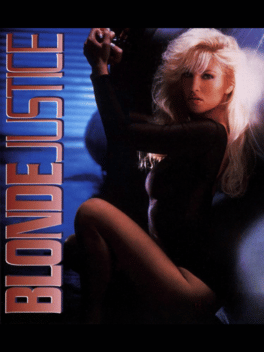
Behind the scenes of a strip club, one dancer faces death threats. Is it a rival? An obsessed fan? An exciting blend of sex, intrigue and obsession.Zelda's Adventure
1994
Zelda's Adventure
1994
star 1Zelda's Adventure was the product of a compromise between Nintendo and Philips following their failure to release a CD-ROM based add-on to the Super Nintendo Entertainment System. The game boasts an entirely unique design in comparison to the previous CD-i Zelda titles, emphasizing the difference in production between the developers. Princess Zelda serves as the game's protagonist, making it the second game in the series where she is playable. Zelda's Adventure incorporates a similar top-down view reminiscent of most conventional 2D Zelda games and it also has dungeons. The game have been subject to much criticism and Nintendo does not recognize it as part of the series.Instruments of Chaos Starring Young Indiana Jones
1994
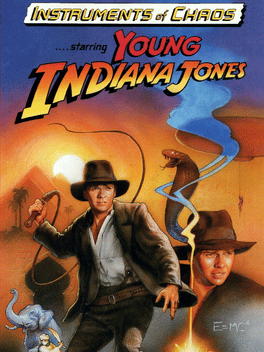
Instruments of Chaos Starring Young Indiana Jones is an action/adventure game with platforming elements. In it you control the titular character through missions around the world.The Letter That Came Over Time
1994
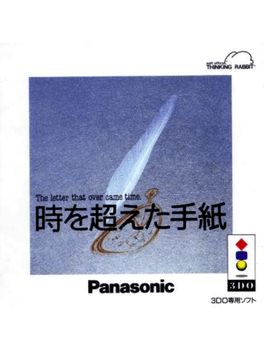
A remake of Casablanca ni Ai o: Satsujinsha wa Jikū o Koete which changed from being a text adventure with graphics to using menus instead.The Coven
1994
The Coven
1994
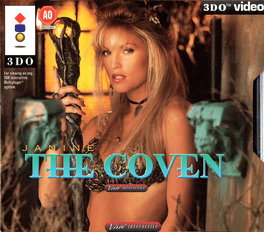
It's about a spirit who's been blessed by the moon and the lovers who deserve her. It's about Janine...Bakuden Unbalance Zone
1994
Bakuden Unbalance Zone is an adventure game for the Sega Mega-CD. It was only released in Japan.Pachio-kun Special 2
1994
Pachio-kun Special 2
1994
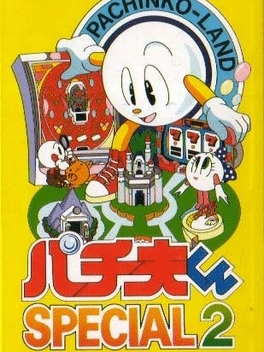
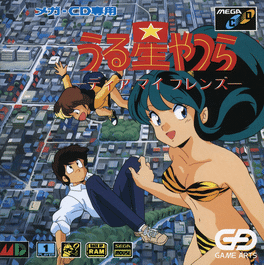
Pachio-kun Special 2 is a Miscellaneous game, developed by Marionette and published by Coconuts Japan, which was released in Japan in 1994.Urusei Yatsura: Dear My Friends
1994
This adventure game was released only in Japan and is based on Rumiko Takashi's Urusei Yatsura series.Return to Ringworld
1994
Return to Ringworld
1994
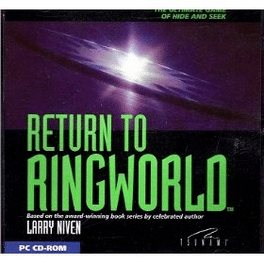
After saving the puppeteer race from extermination and uncovering some powerful ancient technology in the first game, Quinn, Seeker of Vengeance and Miranda Rees find themselves searched as fugitives by all three major species, so they go to Ringworld to hide. Once in Ringworld they'll try to uncover some evidence to clear their names, but they stumble across another universe-threatening plot. This time U.N. general Carson Teal is out to rule the universe by uncovering Ringworld's secrets, and you must stop him. Return to Ringworld is the sequel to the Ringworld: Revenge of the Patriarch. Like its predecessor, it is based on Larry Niven's Known Space series of novels. Once again this game is a puzzle-solving point-and-click adventure. This game is much larger than its predecessor, with hundreds of screens, mazes, etc. The player can control three characters throughout the game, a la Day of the Tentacle.Half Moon ni Kawaru made: Ramiya Ryo no Niji-iro Tamate-bako
1994
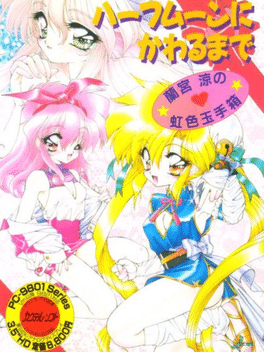
The game is based on the manga "Half Moon ni Kawaru" made by Ryo Ramiya. It contains four separate stories, which can also be defined as mini-games due to their short length.Welcome Nakayoshi Park
1994
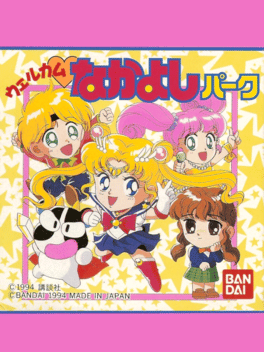
"Welcome Nakayoshi Park" is a video game released for Nintendo Game Boy by Bandai in 1994.