New Gamegear Games - Page 73

Microsoft Solitaire
1990
Microsoft Solitaire
1990
star 7.5Solitaire, also known as Microsoft Solitaire is a computer game included with Microsoft Windows, based on a card game of the same name.Taikyoku Renju
1990
Taikyoku Renju
1990
Taikyoku Renju is a Game Boy port of Renju. Despite not being released outside Japan, the game has an option to play completely in English.Poker Relay
1989
Mah Jongg: V-G-A
1989
Mah Jongg: V-G-A
1989
"Mah Jongg -V-G-A- is a high-tech simulation of the ancient Chinese game of Mah Jongg. Some historians date Mah Jongg back to the time of Confucius -- over 25 centuries ago! It's believed that sailors and fishermen played Mah Jongg as a diversion from the monotony of their long voyages. The game was originally played with cards, but eventually bone and bamboo tiles were substituted since these were less likely to be blown off the deck. Mah Jongg -V-G-A- recreates the beauty and addictive pleasure of Mah Jongg, but uses modern data processing techniques and high-resolution graphics instead of bamboo tiles. In an attempt to make this game as elegant and as enjoyable as possible, the author has used some of the most advanced features of today's state-of-the-art MS-DOS computers. Not all PC computers are able to run Mah Jongg -V-G-A-. But if yours can, prepare yourself for the meeting of the past and future!!!"Carte Primus
1989
Carte Primus
1989
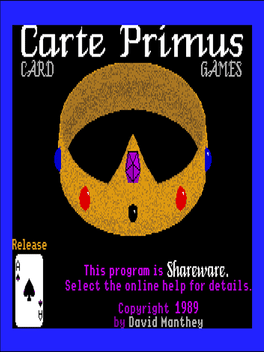
A collection of five card games: - Cribbage - Gin Rummy - Hearts - Pinochle - PitchHai no Majutsushi
1989
Hai no Majutsushi
1989
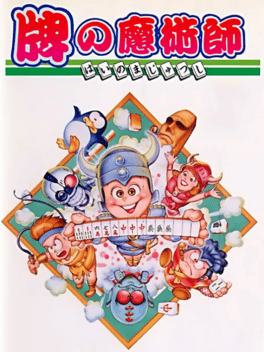
Hai no Majutsushi is an implementation of Mahjong tile game. The opponents in the game are characters from Konami's popular franchises: Simon Belmont from Castlevania series, Aphrodite and Poporon (Popolon) from Knightmare series, a snatcher from Snatcher, Dr. Venom from Gradius series, Goemon from Ganbare Goemon series, Penta the penguin from Antarctic Adventure series, and Moai from Gradius / Parodius series.Hoyle Official Book of Games: Volume 1
1989
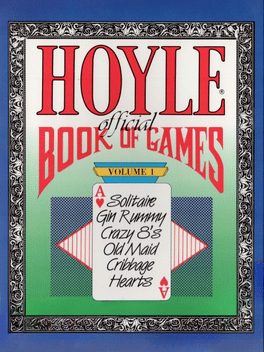
Hoyle Official Book of Games: Volume 1 was a collection of card games, developed and published by Sierra in 1989.Poker Ladies
1989
Poker Ladies
1989
Poker Ladies is an Erotic Card based game, Developed and published by Mitchell Corp. in 1989.Calculation
1989
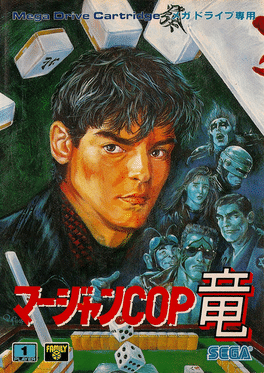
Mahjong Cop Ryuu: Shiro Ookami no Yabou
1989
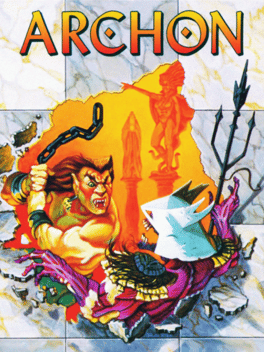
Mahjong Cop Ryuu: Shiro Ookami no Yabou is a 1989 mahjong game for the Sega Mega Drive by Sega.Archon
1989
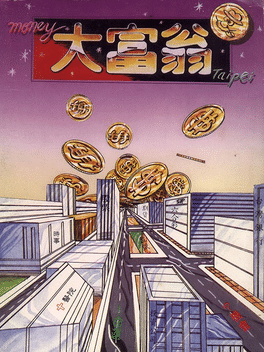
Dà Fùwēng
1989
The Chessmaster
1989
Solitaire Poker
1989
Solitaire Poker
1989
Try your hand at the hottest video poker game around! Even seasoned veterans will find Solitaire Poker a welcome challenge!Igo Shinan
1989
Igo Shinan
1989
A Go simulator from Hect for the NES. It would be followed with four annualized sequels.Yakuman
1989
Yakuman
1989
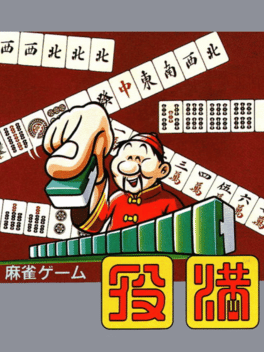
A mahjong game for the Game Boy from Nintendo, and a launch game for the system in Japan.GNU Go
1989
GNU Go
1989
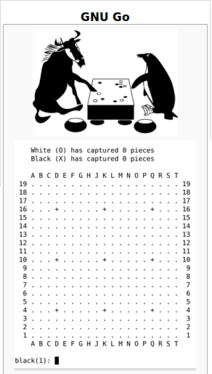
GNU Go is a free software program by the Free Software Foundation that plays Go. Its source code is quite portable, and can be easily compiled for Linux, as well as other Unix-like systems, Microsoft Windows and macOS; ports exist for other platforms.$1,000,000 Kid: Maboroshi no Teiou-hen
1989
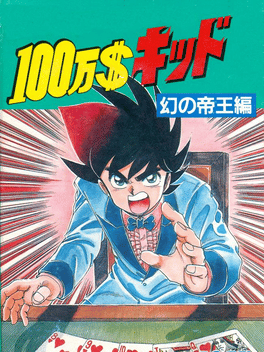
$1,000,000 Kid: Maboroshi no Teiou-hen is a Famicom game based on the manga series $1,000,000 Kid by Yuki Ishigaki.Monopoly
1988
Monopoly
1988
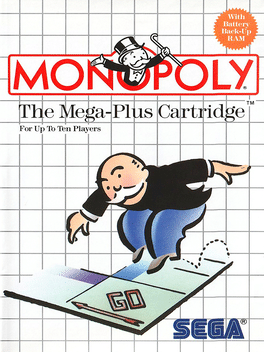
Based on the popular board game from Parker Brothers about acquiring real estate and earning rent from players that land on their properties. The goal is to bankrupt all other players but a time limit can also be set with the winner being the person with the most money/assets when time expires. Up to 10 players can compete or computer opponents can be added on one of three difficulty settings.Kempelen Chess
1988
Kempelen Chess
1988
Kempelen Chess is a computer chess game with a top-down view but with a 3D-feel. It includes various boards and play options. You can choose to play at one of the seven different difficulty levels. Chess can be played against the computer or a friend. All pieces are animated when moved.