New Puzzle Games - Page 294

Puzzle Game
1998
SameGame
1998
Pop!
1998
Pop!
1998
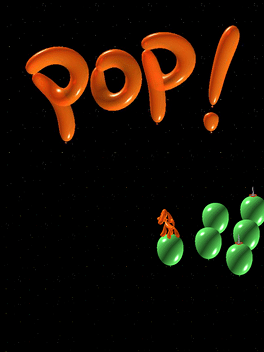
The aim of the game is to lead the eponymous Pop, a dog made of balloons, through 87 levels, also made of balloons.Marby Baby Story
1998
Marby Baby Story
1998
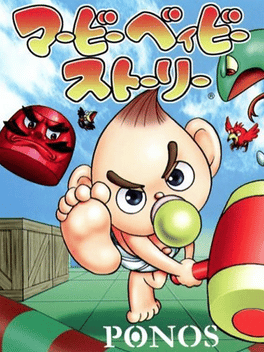
Marby Baby Story is a game in which the player controls Marby, a baby trapped in a mysterious maze and have to help him to get out.Pop'n Pop
1998
Pop'n Pop
1998
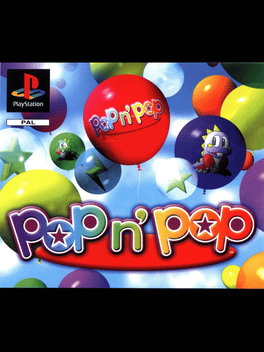
Pop'n Pop is a puzzle game similar to Puzzle Bobble; the player's goal is to release colored bubbles from the bottom on the screen within a limited amount of time, trying to match three or more bubbles of the same color. The difference in this version is that bubbles cannot bounce on the walls; the player can only release them vertically. The game features characters from various Taito games, such as Bub and Bob from the Bubble Bobble series, Tiki from The New Zealand Story, the dwarves from Doko Doko Don, and others.Renketsu Puzzle Tsunagete Pon!
1998
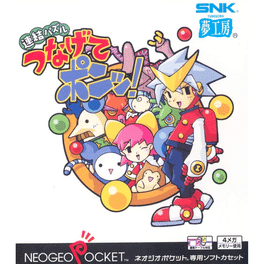
Renketsu Puzzle Tsunagete Pon! is a game where blocks have to be dissolved. New blocks constantly scroll into the screen from the top. The game is over when the first blocks reach the bottom of the screen.Hypnotic Lights
1998
Hypnotic Lights
1998
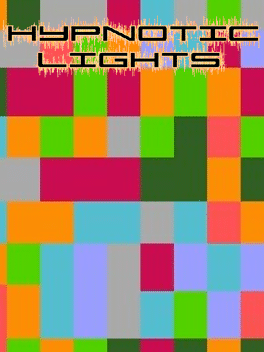
[Unreleased 1983] puzzle game -- move rows and columns of squares to line up matching colors. While experimenting with Intellivision graphics, someone in the Design & Development department came up with a kaleidoscopic effect using sequenced GRAM. VP of Applications Software Gabriel Baum liked the effect, dubbed Hypnotic Lights, and asked programmer Steve Roney (Space Spartans) to work it into a game. Steve's reaction was pretty much: yeah, right, what game? Marketing had a suggestion: something sort of kind of like a Rubik's Cube. That's what Steve sort of kind of gave them. But while Steve continued to tinker with it when not working on higher priority games (including B-17 Bomber, Aquarius Utopia and Space Shuttle), Hypnotic Lights was never elevated to "official" status.Puzzle Uo Poko
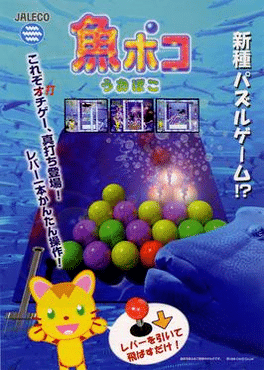
1998
Noon
1998
Noon
1998
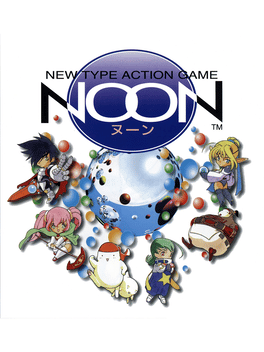
Noon is a Action-Puzzle game, published by Micro Cabin, which was released in Japan in 1998.No One Can Stop Mr. Domino!
1998
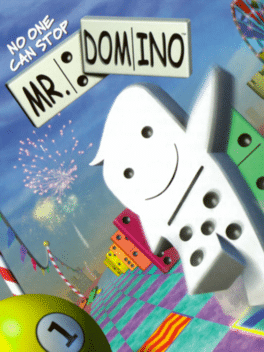
No One Can Stop Mr. Domino! is a puzzle video game developed by Artdink and released for the PlayStation console in 1998. The user controls one of five anthropomorphic dominoes, placing other dominoes in rows that will successfully topple while avoiding obstacles and working under a time limit.Sentry
1998
Sentry
1998
Sentry is a freeware remake of Geoff Crammond's all-time classic, The Sentinel. Gameplay remains true to the original, in this battle for dominance via height. Climb higher by building towers of boulders, gain energy by absorbing natural resources and teleport around the strange checkered landscape via robot shells. Meanwhile, you must avoid the deadly gaze of The Sentinel, who looks out from the highest peak. Get higher than him, then absorb him and take his place as ruler. This Windows version includes texture mapping, dynamic lighting, music, an infinite supply of levels and a host of options. There are even two different stereoscopic modes.Bust-A-Move 3 DX
1998
Boovie
1998
Wrecking Crew '98
1998
Wrecking Crew '98
1998
star 4.9Wrecking Crew '98 is a Japan-only puzzle video game released for the Super Famicom. It is the sequel to the Nintendo Entertainment System game Wrecking Crew. The game takes on a more competitive approach, featuring puzzle-versus elements akin to games like Tetris and Puyo Puyo. Such additions include chain reactions, as well as attacks unleashed into the opponent's play area upon successfully clearing lines.Checkers' Hide 'n Seek
1997
A hide and seek game for children featuring Checkers the bear, who has hidden himself in various rooms of his house.Checkers' Treasure Hunt
1997
A small collection of educational minigames featuring Checkers' the bear looking for treasure.Checkers' Birthday Party
1997
A small selection of educational minigames featuring Checkers the bear, themed around a child's birthday party, such as blowing up balloons and counting the number of presents.Checkers' Playroom
1997
Checkers' Playroom
1997
A small collection of educational minigames featuring Checkers the bear and his sister Chelsea, themed around objects that might be found in a child's playroom, such as a dollhouse.