New Puzzle Games - Page 300

10 out of 10: Geography
1996
10 out of 10: Geography is an educational game for children learning elementary geography.Tetris S
1996
Kuru-kuru Panic
1996
Kuru-kuru Panic
1996
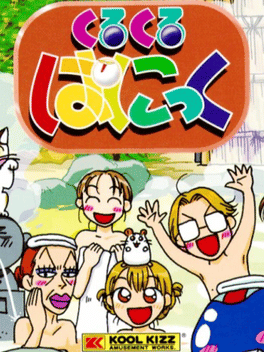
Kuru Kuru Panic is a puzzle game that features 9 different characters and 2 different game modes. In the 1 player mode that player can choose a character and defeat the 8 other ones.Moujya
1996
Puyo Puyo 2: Ketteiban
1996
This game is a Japan-only port of the second game in the Puyo Puyo series originally made for the Arcades by Sega. It's based on the Sega Saturn port, but featuring a modified version of Remix's Practice mode that incorporates the Saturn version's previously-exclusive Beginner characters. Starting with this port, Minako Ozawa replaces Mami Inoue as Arle's voice actress.Pastel Pop
1996
Cookie & Bibi 2
1996
BS Yoshi no Panepon
1996
BS Yoshi no Panepon
1996
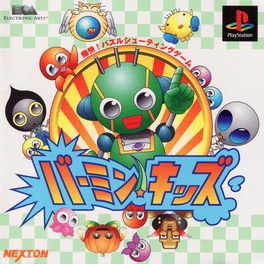
Panel de Pon is a puzzle videogame originally released for the Super Famicom, starring Lip and her fairy friends. The game was later localized as Tetris Attack, starring Yoshi and other characters from Super Mario World 2: Yoshi's Island. The game had an official Tetris license, although it didn't have anything to do with Tetris, being only a marketing strategy to release it under a famous franchise as a way to attract more attention. The game was later relocalized for the Japanese audience, released only as a digital download via the Satellaview peripheral. The only difference that this version has, aside from the language translation, is the absence of anything related to the Tetris franchise.Vermin Kids
1996
Yoshi no Panepon
1996
Yoshi no Panepon
1996
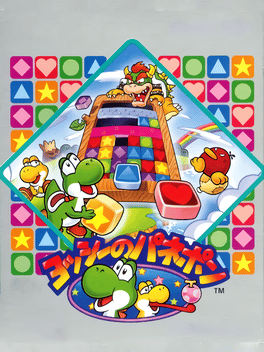
The Japanese port of the Game Boy version of Tetris Attack, which had the Tetris license removed (the same thing happened with its Satellaview counterpart, BS Yoshi no Panepon).Building Crush!
1996
Building Crush!
1996
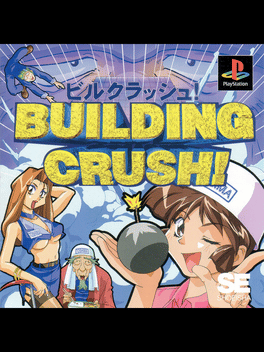
Building Crush! is a puzzle game where you play the role of a demolitions expert and try to bring down buildings faster than your opponent. Place bombs in windowed blocks to clear connected blocks of the same color, and make chains with the falling blocks that match up. There are several bomb power-ups to increase their effectiveness, as well as assist characters to hinder your opponent. You can play against the CPU or a friend.Picross 2
1996
Picross 2
1996
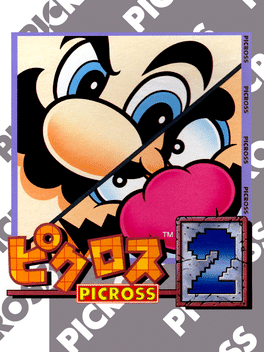
star 8.1Picross 2 is a Japan-only game for the Game Boy and the sequel to Mario's Picross and Mario's Super Picross. It keeps most of the same elements of its predecessor, as it deals with a grid and solving puzzles to form images. But unlike the first Mario's Picross, this game contains a world map. Also, the pictures are larger, consisting of four 15x15 picross boards. Both Mario and Wario return and each have different sets of puzzles to solve in the game, giving the player a variety in gameplay.Sonic's Schoolhouse
1996
Sonic's Schoolhouse
1996
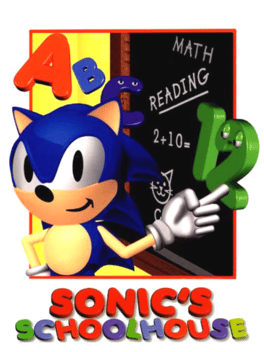
Sonic's Schoolhouse is an educational computer game that teaches young learners mathematics, reading, and spelling, released in 1996 with collaboration of Sega and Orion Pictures Corporation. In addition, players can earn access to two mini-games (a collect-the-rings game and a match-the-statues game) and a "field trip" section which gives them numerous facts on the various animals in the game (through video clips).Zoku Gussun Oyoyo
1996
Zoku Gussun Oyoyo
1996
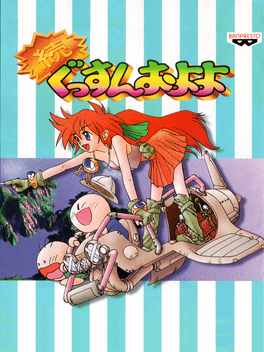
Zoku Gussun Oyoyo is an action puzzle game and a sequel to Risky Challenge. The game plays essentially the same as its predecessor — position falling blocks in a well, Tetris-style, to guide the characters to the exit of each stage — but includes 100 all-new puzzles and several new game modes. Normal and Versus modes are the single-player story and two-player versus modes returning from the previous game; Tsume mode is a dedicated puzzle mode; Climbing mode is an endless climb mode where the goal is to climb upward as far as possible; and Ranking Certification mode is a trial mode where the player must complete a selection of stages to earn higher rankings. The PlayStation and Saturn versions feature slightly different puzzle layouts but are otherwise identical.Kurukuru Twinkle: Onegai Ohoshisama
1996
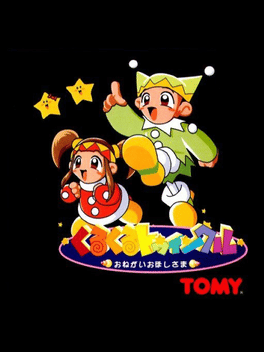
Color-matching puzzle game by Tomcat System released on the PlayStation in 1996. Features a large cast of characters themed after zodiac signs. Swap blocks horizontally and vertically with the cursor to create combos and send garbage blocks to the opponent's side of the field.Mahjong Taikai II Special
1996
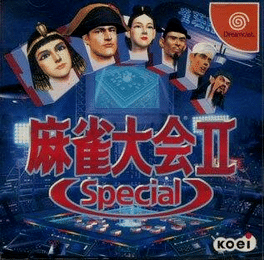
Mahjong Taikai II Special is a multiplatform upgrade to the SNES entry "Mahjong Taikai II".Blast Chamber
1996
Blast Chamber
1996
Welcome to The Blast Chamber. Your challenge is simple: survive the game! Before entering the chamber you should familiarize yourself with the competition and the chamber itself. Your efforts will determine whether you succeed and are rewarded with fame and glory - or fail in a flaming burst of C4.Cleopatra Fortune
1996
Cleopatra Fortune
1996
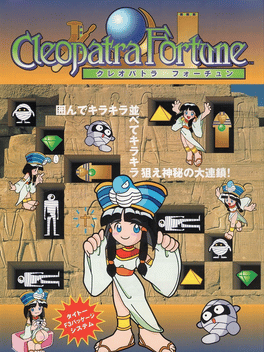
Cleopatra Fortune is a falling-block puzzle game featuring a cutesy anime Egyptian theme. Groups of stones and gems of different shapes fall from the top of a well. Gems can be cleared by enclosing them within a group of stones, and stones can be cleared by making complete rows from them. Blocks will fall when those under them are cleared, which can create chains for more points. The game includes three different play modes. First is a standard endless mode where play continues until the player is overwhelmed by the blocks. Second is a versus mode for two players. Last is a puzzle mode where the player is given a set field, a set sequence of drops, and a specific goal such as clearing all the gems or achieving a chain of a certain length. The puzzle mode has the player rescuing Cleopatra's friends who have been trapped in a pyramid by the evil Sphinx.