New Puzzle Games - Page 301

Pukunpa: Joshikousei No Houkago
1996
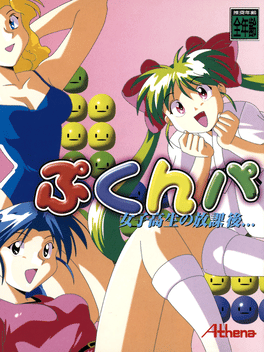
Things fall puzzle-battle to fight schoolgirl eight 6 units closed betting honor and pride of the affiliation. Adopt a simple, straightforward rules to manipulate the "ball" has fallen from the top of the field becomes two pair, side-by-side to erase the "balls" of the same color. Let's storm the lumps "disturb" a lot of the other party caused the chain stretch and rotate the ball well two types of "lumps" small "lumps" large.O-chan no Oekaki Logic 2
1996
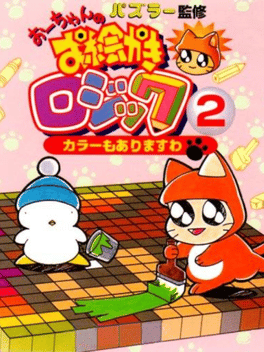
O-Chan no Oekaki Logic 2 is a sequel to O-chan no Oekaki Logic, a Japan-exclusive puzzle game based on the popular Picross game. The game is considered to be a spin-off of Sunsoft's Hebereke series.Bishoujo Senshi Sailor Moon Sailor Stars: Fuwa-fuwa Panic 2
1996
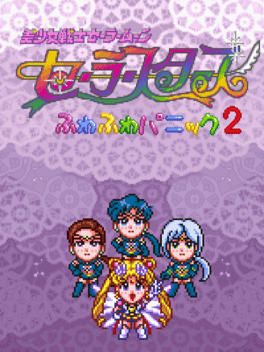
Bishoujo Senshi Sailor Moon Sailor Stars: Fuwa-fuwa Panic 2 is a video game released exclusively in Japan by Bandai on September 27, 1996. the Super Famicom and is the sequel to Sailor Moon SuperS: Fuwa Fuwa Panic. The game made use of Bandai's SuFami Turbo accessory and could not be played without it.Gals Panic SS
1996
Jigsaw Island: Japan Graffiti
1996
Jigsaw Island is a jigsaw puzzle game, and the third title in Nippon Ichi's jigsaw series. As in Jigsaw Party and Jigsaw World, it combines the jigsaw puzzle with elements of arcade puzzle games, tasking two players (or a player and the computer) with solving a set of puzzles as quickly as possible. Pieces are supplied to each player in a specific order, and there are also power-ups that can be used to hinder the other player. A localize port removing the anime storyline, "Jigsaw Madness" was released in the west.Kyuukyoku no Sokoban
1996
Kyuukyoku no Sokoban
1996
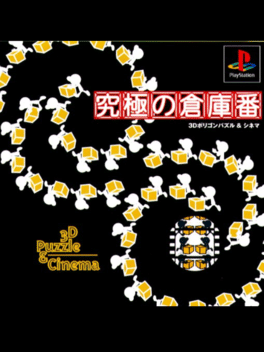
Kyuukyoku no Soukoban - 3D Puzzle & Cinema is the first Playstation game of the classic puzzler based on the gaffer in charge of a warehouse needing to get the stock correctly stashed. Unfortunately the stock can only be pushed around requiring a bit of lateral thinking to get the warehouse in order.Bust-A-Move 3
1996
Bust-A-Move 3
1996
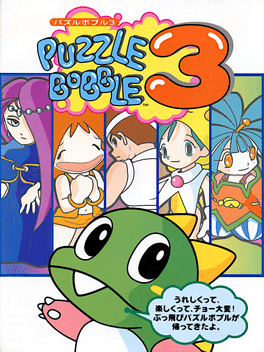
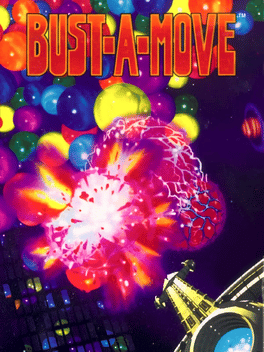
star 6.9The second sequel to Puzzle Bobble. It was released into arcades in September 1996 and later ported to the Sega Saturn, Sony PlayStation, Game Boy, Nintendo 64 and Microsoft Windows. It would be the final appearance of Puzzle Bobble on the Sega Saturn. Like its predecessors, the player is tasked with shooting balls at groups of balls, creating groups of 3 or more, which are then removed from play. A European remake is entitled Bust-a-Move 3 DX. released in America as Bust-a-Move '99.Numbers Paradise
1996
Numbers Paradise
1996
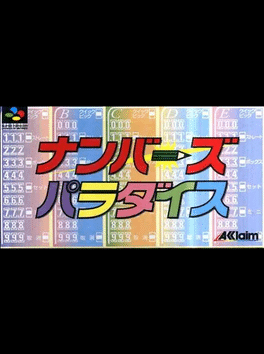
Numbers Paradise is a Miscellaneous game, developed by ISCO and published by Acclaim Japan, which was released in Japan in 1996.Bishoujo Senshi Sailor Moon Sailor Stars: Tokimeki Party
1996
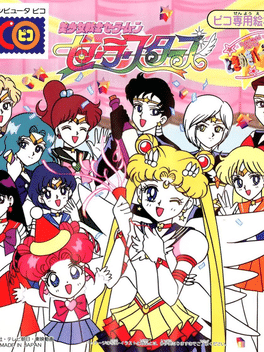
Bishoujo Senshi Sailor Moon Sailor Stars: Tokimeki Paati is a video game released for the Sega Pico by Bandai solely in Japan, in August 1996.Bust-A-Move
1996
Tetris Attack
1996
Tetris Attack
1996
star 6The Game Boy version of the Super Nintendo game with the same name, which in turn is a version of the exclusive japanese game Panel de Pon.Tetris Attack
1996
Tetris Attack
1996
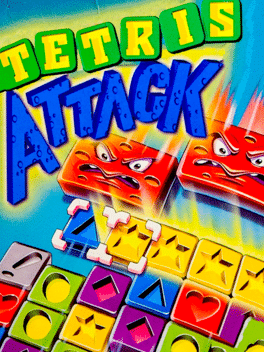
star 8.3A puzzle game for the Super Nintendo Entertainment System and Game Boy. It is the first game in the Puzzle League series. The Super Famicom release featured different art assets and characters than the English localization where they were replaced with characters from Super Mario World 2: Yoshi's Island. The Game Boy release of the Yoshi version was also later released in Japan. Later a version for the Super Famicom's Satellaview satellite modem service was released.Shingata Kururin Pa!
1996
Shingata Kururin Pa!
1996
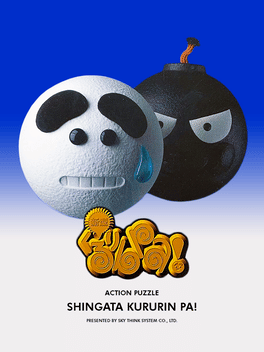
Competitive puzzle game where the player places rope pieces. Once ready, drop a flame to ignite! This starts a burning chain reaction, clearing blocks and mucking up the opponent's board with snowballs. Choose from a myriad of diverse and colorful characters, each possessing a unique piece that will help in the game. Released in Japan on Saturn and Playstation by Sky Think System.Saturn Bomberman
1996
Saturn Bomberman
1996
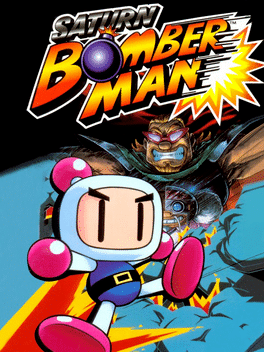
star 8.3Saturn Bomberman is an action game by Hudson Soft for the Sega Saturn. The twelfth installment in the Bomberman series, it was first released in Japan on July 19, 1996, in Europe in May 1, 1997, and in North America in September 4, 1997. It is best known for its multiplayer functionality for up to ten players using multitaps. It received praise for its gameplay and multiplayer, but criticism for not advancing the Bomberman series enough. Saturn Bomberman can also connect to the Sega Saturn NetLink internet system, allowing two people from opposite ends of the earth to battle it out.Dolmen
1996
Mushi no Idokoro
1996
Puzzle Nintama Rantarou
1996
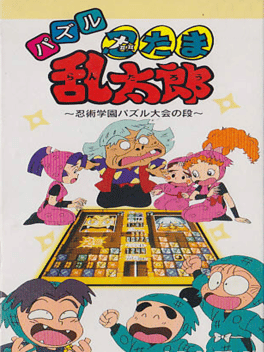
Puzzle Nintama Rantarou is a Puzzle game, published by Culture Brain, which was released in Japan in 1996.Super Nazo Puyo Tsuu: Rulue no Tetsuwan Hanjyouki
1996
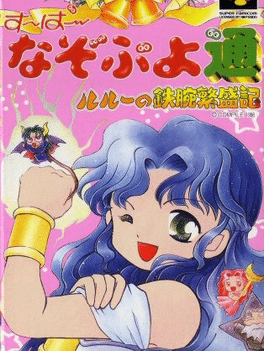
Super Nazo Puyo Tsuu: Rulue no Tetsuwan Hanjyouki is a Puzzle game, developed and published by Compile, which was released in Japan in 1996.Oshidashi Zintrick
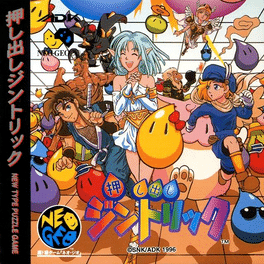
1996