New Games - Page 12091

The Italian Job
2001
The Italian Job
2001
star 7.6The Italian Job is a video game based on the 1969 film of the same name. The game features a story mode based on the movie, and a multiplayer "party" mode where players compete through several different circuits in London and Turin, as well as a single player practice mode where the player can develop skills needed for completing the story mode.Green Green
2001
Green Green
2001
Green Green is an erotic visual novel developed and published by Groover that takes place in an isolated and nondescript boarding school known as Kanenone Gakuen that prides itself on the tradition of men growing amongst other men without any external influences to disturb them. Until one day, when the current administration decided to consider making the academy co-ed, and in order to see how the change would affect the student body, first and second-year girls were brought to live on school grounds for one month. While you, Yuusuke Takasaki, take the change in stride, your three hormone-driven friends see this as the true beginning of their youth.Arabian Nights
2001
Arabian Nights
2001
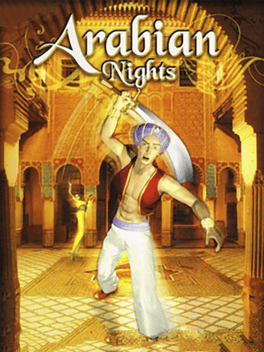
Arabian Nights is a 3-D action-adventure arcade video game published in 2001 for Microsoft Windows. It was published by Visiware and Wanadoo. It is based on One Thousand and One Nights.The Rage
2001
The Rage
2001
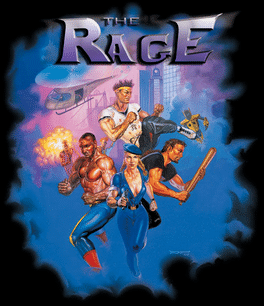
The Rage is one of the very few examples of 3D scrolling beat’em up for PC; it guarantees a great playability, never forgotten by old style arcade players, together with the new stunning graphics, thanks to modern PC hardware, and really strong musics. It allows to fight with up to four players, using the same PC or Internet and LAN connections, in real brawls against a great number of enemies with a wide range of easy-to-do moves.Fiend
2001
Fiend
2001
Fiend is a a 2D survival horror game greatly influenced on the work of HP Lovecraft. You play as Nick Cane who is sent to the small town of Lauder to see if a mine contains any valuable minerals. Arriving at Lauder you suspect that all is not right with the town and slowly the visit turns into a nightmare. The game was released in 2001 and took around 2 years of work to finish. The engine is made using the allegro library and has features such as realtime lighting and particles effects.Survival: The Ultimate Challenge
2001
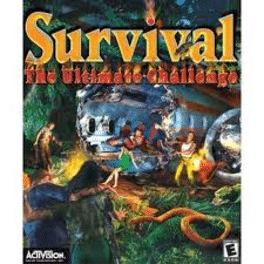
The concept of the game is to save a random group of people stuck on an island, a desert or another remote location. By using what the nature has to offer, the player can, for example, use a leaf to make clothes or wood beams to make a shack.Tomb Raider Anthology
2001
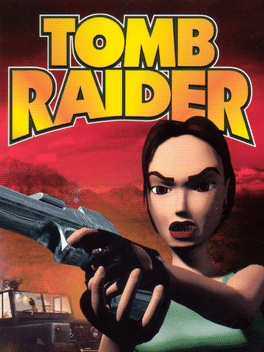
Tomb Raider Anthology is a Russian CD and DVD-ROM Compilation that regroups 8 Tomb Raider games.Pocky & Rocky with Becky
2001
star 3.1An evil Hydra Dragon has been awakened from a long sleep and has unleashed the world's most fearded mythical creatures on the land. It is up to you to stop them and eventually put an end to the evil Hydra's madness! You can choose one of the three characters, Pocky, Rocky the Raccoon or Becky to embark on this fantastic and dangerous adventure. Collect magical items and a variety of power-ups to help battle the mythical bosses as you journey to the final showdown with the Hydra!Slayer
2001
Slayer
2001
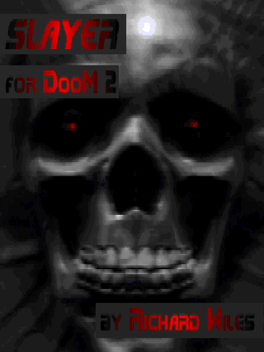
SlayeR is an episode WAD made by Richard Wiles. It also includes four deathmatch maps. The first level is rather unique compared to the others. It is a large, expansive map while the other nine levels are short to medium and quite focused.Kids Station: Barbapapa
2001
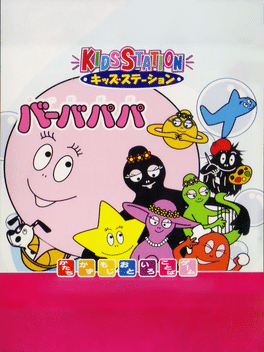
Educational game for kids based on Barbapapa cartoon character. It features a bunch of mini-games.The Yamanote-sen: Train Simulator Real
2001
The first PS2 entry in the Train Simulator series of FMV games by Ongakukan, featuring the full JR East Yamanote Line in central Tokyo. Unlike other games in the series, this title features random events like luggage getting stuck in the doors or a passenger falling ill.Memorial Series: Sunsoft vol. 1
2001
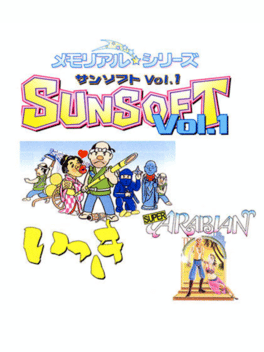
Memorial Series: Sunsoft Vol. 1 is a compilation featuring Ikki and Super Arabian.Initial D: Takahashi Ryosuke no Typing Saisoku Riron
2001
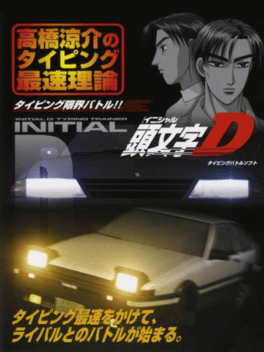
The PlayStation 2 port of the game, originally released for Windows and Mac. It is a typing tutor game based on the Initial D anime that requires a USB keyboard to play.Moorhen 3: The Chicken Chase!
2001
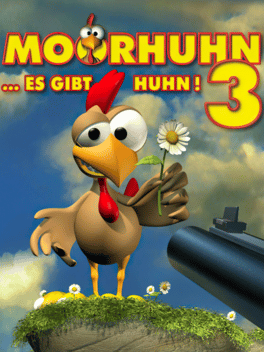
star 4.9This really couldn't be any simpler; Moorhen features no complicated gameplay whatsoever. You just shoot things. The real skill though is in knowing just what to shoot and when to shoot it and where some targets reap sizeable rewards others will drain your score in no time at all. One addition to version three is the introduction of protected birds flying around with your intended targets which means that shooting now takes a little more thought than simply blasting into the sky. Other features remain intact and there are still items that need to be avoided such as balloons and various animals on the ground. As usual though you'll need to experiment to find out just what's worth hitting and what's not. One of the best parts of the Moorhen series has been the hidden bonuses and secrets but they've always been well concealed and you're more likely to discover them by accident rather than actually work them out. I won't spoil some of the goodies we've discovered in this version but Moorhuhn 2 featured spiders that coSkateboard Park Tycoon
2001
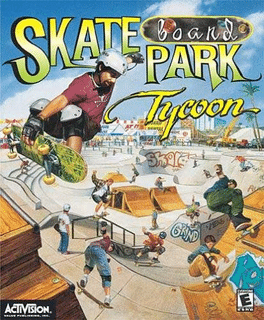
star 5.9Skateboard Park Tycoon lets players create their own skate parks in hopes of becoming profitable. Players can also skate their custom parks, once created.The Powerpuff Girls: Chemical X-Traction
2001
star 6.3Join the Powerpuff Girls to stop the villains from eating their Chemical X pie in an action packed adventure.King's Field: The Ancient City
2001
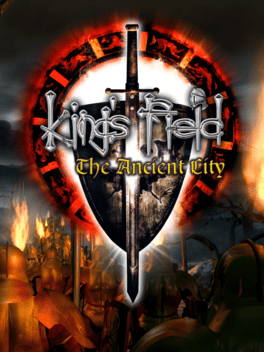
star 7.2King's Field: The Ancient City, known in Japan as King's Field IV, is a medieval-themed first-person role playing video game produced by From Software for the PlayStation 2 in 2001. It is the fourth game in the King's Field series and the last one released for home consoles.Hatena Satena
2001
Hatena Satena
2001
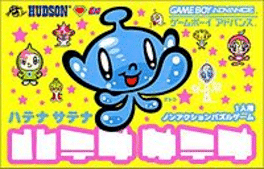
Hatena Satena is a Puzzle game, developed by Hudson Soft and published by Hudson, which was released in Japan in 2001.Midway's Greatest Arcade Hits: Volume 2
2001
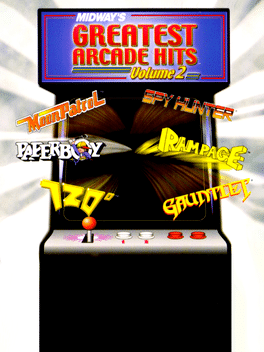
ARCADE'S GREATEST HITS: The Midway Collection 2 brings the joys of seven classic Midway arcade games to the PC. If old-school games are your thing, you couldn't ask for better titles than these: BLASTER, JOUST 2, SPLAT!, BURGER TIME, SPY HUNTER, ROOTBEER TAPPER, and MOON PATROL.Scooby-Doo and the Cyber Chase
2001
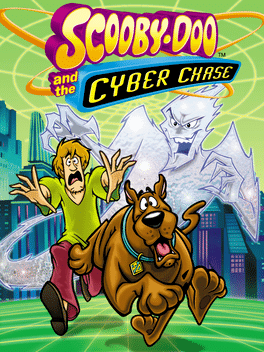
star 6.5Play as Shaggy or Scooby and try to defeat the Phantom Virus in Scooby-Doo and the Cyber Chase for PlayStation. Released to correlate with the same-titled movie, this seven-stage, multilevel adventure puts the Mystery Inc. gang in the middle of cyberspace warding off bad guys and evildoers in their attempt to locate the Phantom Virus. From a control room players can access the areas of Japan, Ancient Rome, Arctic Circle, Prehistoric Jungle, The Big City, Egypt, and an Amusement Park. Each area consists of three levels including the boss level, but initially only the Japan area can be accessed with other areas becoming available as play progresses. Each area alternates between Shaggy and Scooby as the character being controlled.