New Games - Page 12092

Barbie Beach Vacation
2001
Barbie Beach Vacation takes her and her friends to the the sands and the waves of a remote island.RuneSword 2
2001
RuneSword 2
2001
Runesword II (RSII) is a CRPG designed to appeal to the "pen & paper" role-player. RSII features turn-based, strategic combat, 50+ skills, 12+ races, and several full-length adventures to play set in the world of Eternia; not to mention adventures to play in other world settings. What really makes RuneSword stand out is a flexible, easy-to-use engine for creating your own adventures and even your own worlds. But, ease-of-use does not mean wimpy or limited; RuneSword has a robust scripting engine that allows you to do just aout anything you can imagine.Zoombinis: Logical Journey
2001
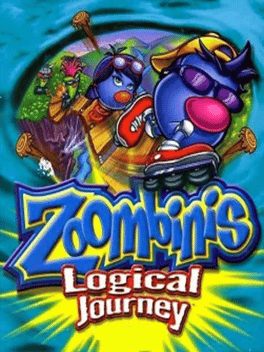
Zoombinis Logical Journey is an educational puzzle/point-and-click adventure game, published by Broderbund, which was released in 2001. It is an expanded and updated version of Logical Journey of the Zoombinis (1996) using the same pixel art style. Players solve increasingly challenging logic puzzles to help the Zoombinis escape to a brand new home.LEGO Island 2: The Brickster's Revenge
2001
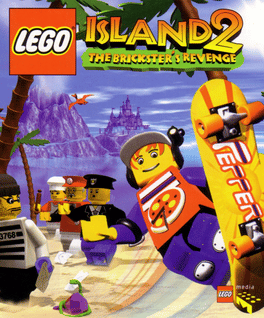
Players control Pepper Roni and go around the island trying to locate the Constructopedia pages. Pepper can give the pages he found to certain characters who in turn will build a structure that will help improve the island. Pepper will also have to partake in various mini-games throughout the game. Also, finding hidden Lego character cards is the games reward for observant exploration of the island.Caillou Preschool
2001
Caillou Preschool
2001
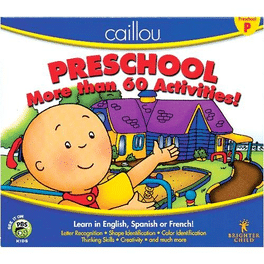
In Caillou Preschool, children will learn by exploring their world with Caillou, the popular PBS cartoon character. Over 60 activities are here, teaching children all they'll need to know as they prepare for school and the outside world.Hot Wheels: Jetz
2001
Hot Wheels: Jetz
2001
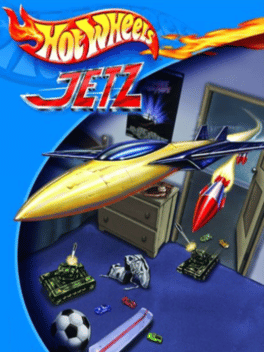
A miniature crisis is happening and only you can stop it. Who or what could be trying to take over your home? Jump into your tiny, toy-size plane and fly missions of bravery to solve the mystery and save the day. Perfect your piloting skills as you dodge enemy fire, or command your fighter's missile guidance system to lock-on and crush your opponent. Perform cool aerial stunts as you speed through Jetz's realistic 3-D house. Fly at supersonic speeds using the turbo boost, then stun the enemy by hitting the air brake and stopping on a flying dime. Hot Wheels Jetz delivers big fun, colorful environments, and a hangar of zippy, toy-size planes. Choose from seven different aircraft, all based on original Hot Wheels Jetz designs. Buzz through eight challenging household environments from the living room to the bedroom and out into the garage. Monitor your hits, missiles, and more with onscreen displays. You'll be asked to accept 10 missions, along with one bonus mission that must be completed to spare your home from ceReader Rabbit: Thinking Adventures Ages 4-6
2001
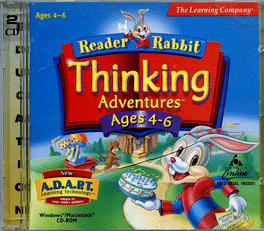
Reader Rabbit and his friends need your help to throw a surprise birthday party for Sam the Lion. There are plenty of fun things to do, from making cookies to practicing party games. And the fun and learning doesn't stop when you leave the computer. Make customized workbooks and printable activities to take with you in the car or on the bus. Progress reports will help you keep track of which skills you've mastered or are in need of improvement. Children can learn at their own pace with Reader Rabbit's ADAPT Learning Technology. It constantly monitors the child's abilities, helps develop skills, adjusts difficulty levels, provides help, and tracks progress.Smugglers 2
2001
Super Frog
2001
Super Frog
2001
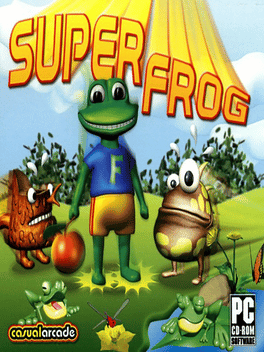
When an army of plant-eating monsters invades the forest, only Super Frog can save the day! Run, jump and somersault from platform to platform as you rescue plants and send your enemies sailing over the treetops in enormous bubbles. Along the way, keep your eyes peeled for colorful candy bonuses and powerups to increase your energy and give you special powers. So what are you waiting for? Get off your lily pad and leap into adventure!I Spy Treasure Hunt
2001
I Spy Treasure Hunt
2001
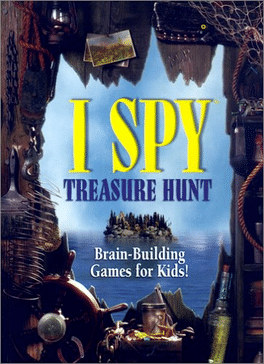
I Spy Treasure Hunt is a photo-hunt game based on the children's book of the same name.Where in the World Is Carmen Sandiego? Treasures of Knowledge
2001
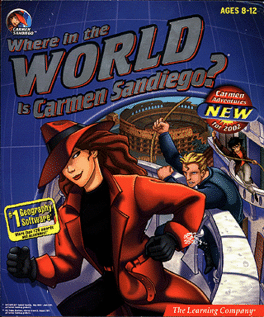
Where In the World is Carmen Sandiego Treasures of Knowledge is a point-and-click adventure game for the PC released in 2001.Sports Illustrated for Kids: Baseball
2001
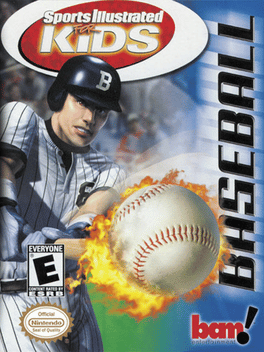
Sports Illustrated for Kids Baseball will combine extensive player development, player trading, team management and arcade-style play into a unified system of game play. Kids can assemble a team, name their team, choose a team uniform style and then train their players to make them better and advance through the leagues. Plus, two friends can link up their Game Boy Advances for hours of gaming fun - the only baseball game on the GBA that offers multiplayer capabilities!LEGO Bionicle
2001
LEGO Bionicle
2001
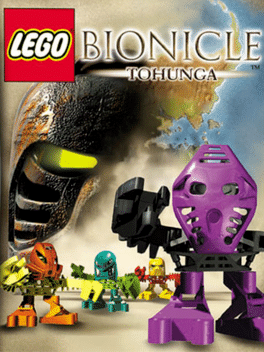
LEGO Bionicle is an action-adventure platformer in an isometric perspective. The player controls Takua, a villager on the island of Mata Nui through a series of linear levels that take place in the 6 different biomes across the island. This is the only canon handheld Bionicle game, and seems to serve as a prelude to the Mata Nui Online Game and Mata Nui Online Game II.NASCAR Thunder 2002
2001
NASCAR Thunder 2002
2001
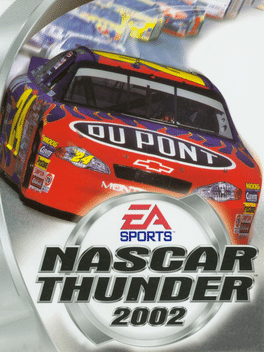
star 6.5Take risks, be rewarded, and become a champion with NASCAR 07. With all-new Adrenaline Moments, use your skill and instinct during the most intense situations and control the outcome by avoiding disastrous wrecks and flying debris. Maintain your focus on dangerous conditions ahead with the new RaceBreaker feature, which guides you through every treacherous moment of the race. With all-new speed blurring, realistic spark and smoke effects, and camera shakes, get your adrenaline pumping and experience the all-out drama and intensity of 190-mph racing with NASCAR 07.EA Sports F1 2001
2001
EA Sports F1 2001
2001
star 6.8Battle for position at every sweeping bend, high-speed straightaway, and hairpin turn within the world's most glamorous sproting arena. Engage in high stakes racing from Monaco to Monza and take on the most intelligent and daring racers to hit the Formula One circuit.Toy Land Adventure
2001
Toy Land Adventure
2001
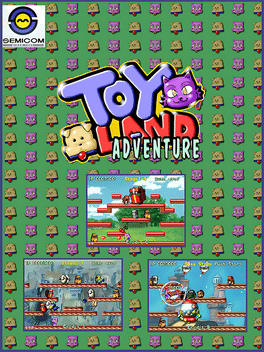
Toy Land Adventure is an Arcade Video game published by SemiCom in 2001. Mr. Monitor who lives in a peaceful 'TOY LAND' became a devil monitor because of some trouble. In this case, the self-important cat & dog toys talk big to disconnect a electric power of a devil monitor to correct this way with a strong attack to Mr. Monitor's weak followers... This is a 'Stage Action Game'. There are 6 world and 54 stages. If you made a consecutive explosion with a attack to a inflated enemy, you can clear very easily.Williams Pinball Classics
2001
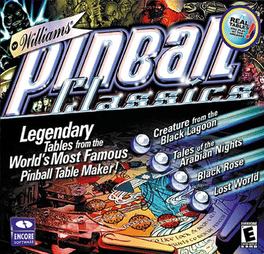
Williams Pinball Classics is a pinball video game that includes digital recreations of four classic Williams' tables: Creature from the Black Lagoon, Tales of the Arabian Nights, Black Rose and Lost World.Rune: Gold
2001