New Games - Page 12098

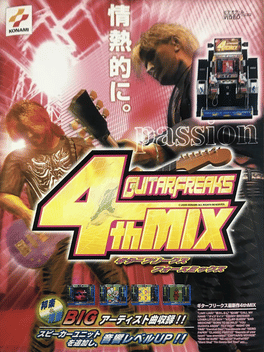
GuitarFreaks 4thMix
2001
Densha de GO! Shinkansen: Sanyou Shinkansen-hen
2001
Densha de Go! Shinkansen: Sanyoushinkansen-hen (loosely translated to "Go by Train! Shinkansen: Sanyou Shinkansen Edition") is an electric train driving simulation game developed and published by Taito for the PlayStation 2 in Japan on September 20, 2001. It was later ported to the PC by Unbalance on December 13, 2002. A spin-off of the Densha de Go! series, Shinkansen focuses on the titular high-speed rail line San'yō Shinkansen (through the entire route both ways, between Shin-Ōsaka and Hakata). The game was later ported to the Wii as Densha de Go! Shinkansen EX: Sanyoushinkansen-hen (loosely translated to "Go by Train! Shinkansen EX: Sanyou Shinkansen Edition") on March 1, 2007. This version features a new "Kids Mode" utilizing the Wii Remote's motion control.Komocchi
2001
Planet of the Apes
2001
Planet of the Apes
2001
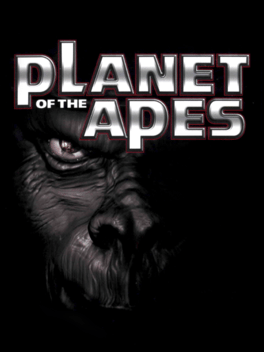
star 8.5Fight for humanity as Ulysses, a deep-space astronaut shipwrecked on Earth nearly 2,000 years into the future. To his horror, a deadly breed of intelligent apes has evolved from mankind and now dominate the Earth. Hunted to near-extinction, the rag-tag human survivors huddle in fear of the Ape Empire. Against impossible odds, Ulysses must infiltrate the Simian society and halt the genocidal plan of Ape General Ursus to exterminate mankind forever. Familiar faces like Cornelius and Dr. Zaius - even new terrors like mandrill assassins and renegade baboons - await in this pulse-pounding tribute to the sc-fi cinema classic The future of the human race lies with one. It lies with you.Spider-Man: Mysterio's Menace
2001
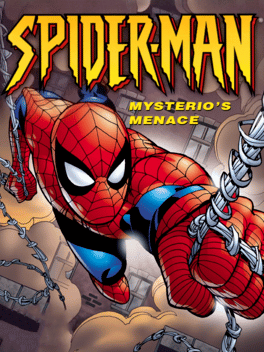
star 7Set in New York, Spider-Man: Mysterio's Menace enables players to assume the role of Spider-Man as they take on super-villain Mysterio and his illusory tricks for control of Manhattan. Spider-Man must fight a slew of Mysterio's sinister conspirators and gadgetry to get to the bottom of their plot and free New York from Mysterio's mind-warping grip.ESPN X Games Skateboarding
2001
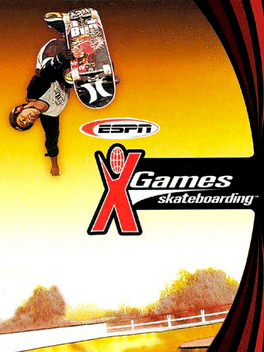
he X Games could be considered the Olympics for Generation X, and now one of the premier events skateboarding has made its way to the Game Boy Advance with ESPN X GAMES SKATEBOARDING. Choose from eight pro skaters Bob Burnquist, Carlos DeAndrade, Chad Fernandez, Kerry Getz, Rick McCrank, Colin McKay, Chris Senn, and Lincoln Ueda and 64 licensed decks as you get ready to shred on the streets, sidewalks, handrails, and more. There will be three cities to skate in San Francisco, New York, and Los Angeles each with location-specific elements and landmarks. The game consists of nine levels, broken into three categories: X Games competition, street skating, and fantasy. The 12 big-name bands including Linkin Park, Voodoo Glow Skulls, and New Found Glory will provide the adrenaline-pumping tunes to keep the action fast and furious. Get ready to ollie, grind, and kickflip your way to victory with ESPN X GAMES SKATEBOARDING.Dynasty Warriors 3
2001
Dynasty Warriors 3
2001
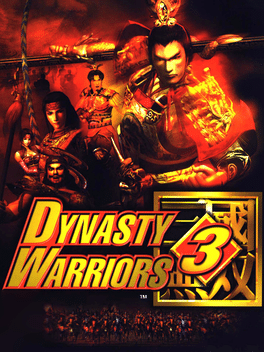
star 6.9Dynasty Warriors 3 is the third installment of the Dynasty Warriors series in North America and the second within the Shin Sangoku Musou series in Japan. It is a spin-off from the video game Romance of the Three Kingdoms and based around a series of books by the same name, written by Luo Guanzhong. The game contains a number of fictional and non-fictional elements from the same era in Chinese history that Romance of the Three Kingdoms is set. However, it follows the main events of part of the story which is to unify China under the single rule of a kingdom.Commandos 2: Men of Courage
2001
star 8.7From the heart of the Third Reich to the most remote islands in the South Pacific, Sergeant Jack "Butcher" O'Hara and his elite group of gritty soldiers must combine their expertise and venture deep into enemy territory... in an attempt to change the course of the war.From the deepest bunkers and artillery posts of the Third Reich or the dreaded Colditz castle prison to the bulkhead of an aircraft carrier at sea, Commandos 2 features the most realistic and detailed gaming environments ever seen. Once again players take command of the elite platoon, utilising each of their unique abilities to complete missions deep in enemy territory. Commandos 2 is the most immersive and realistic PC strategy gaming experience there is, creating a new benchmark.Quake: Rapture
2001
Quake: Rapture
2001
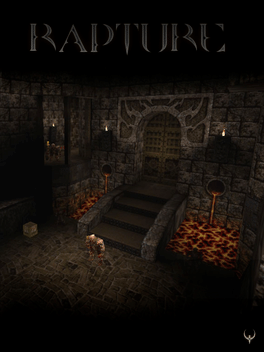
A nine-map single-player episode with Daikatana E3 and Hexen II textures, and monsters from Nehahra, Scourge of Armagon, and Coven of Ebony. While this map taken from other, bigger mods ("Tronyn's" own Coven of Ebony for example), was one of the few intricate map packs of 2001 and stood the test of time many years later.The Legend of Mir 2
2001
The Legend of Mir 2
2001
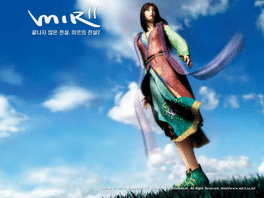
The Legend of Mir 2 (Korean: 미르의 전설 2) is a sprite-based isometric 3-D massively multiplayer online role-playing game developed by Korean-based WeMade EntertainmentDr. Lunatic Supreme with Cheese
2001
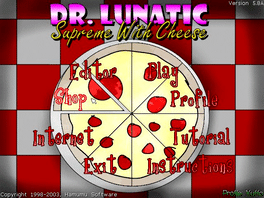
Players fight zombies and collect brains throughout the course of over 1000 levels.Rails Across America
2001
Rails Across America
2001
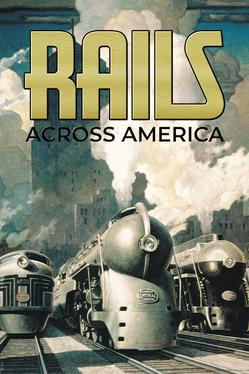
Rails Across America is similar to the Railroad Tycoon games, but more streamlined and it adds some features from table top games such as cards to play against your opponents.NFL 2K2
2001
NFL 2K2
2001
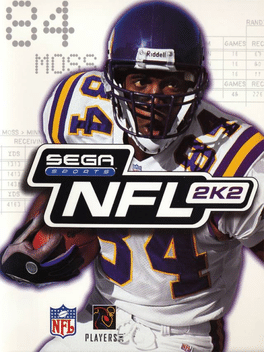
NFL 2K2 is a complete football simulation, giving you a variety of ways to play. You can compete in a single exhibition game, start up a franchise, or move directly to the playoffs. NFL 2K2 uses a TV-style presentation, featuring telestration, action replays, sideline animations, stadium lighting and a director feature that zooms in on the play. Included in NFL 2K2 are all the teams and plays from the 2001-2002 season, including stadiums and uniforms.X-Men: Mutant Academy 2
2001
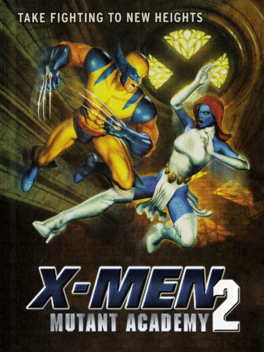
star 6.7X-Men: Mutant Academy 2 is a PlayStation video game, the sequel to X-Men: Mutant Academy. Both feature the X-Men in a 3-D fighting arena similar to Mortal Kombat 4. Like its predecessor, the game allows the player to select from several heroes and villains and includes many of the signature moves from the comic. The game also includes a behind-the-scenes look at X-Men: The Movie concept sketches, costumes and other similar material.Egg
2001
Secret Agent Barbie
2001
Secret Agent Barbie
2001
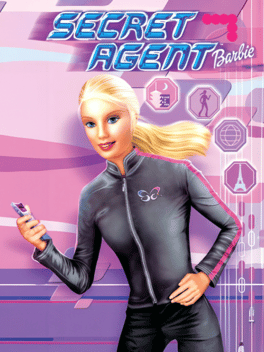
star 7Help secret agent Barbie catch a jewel thief; Decode puzzles and solve mysteries as you interact with many colorful charactersSiege of Avalon
2001
Siege of Avalon
2001
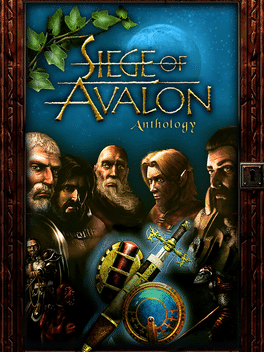
star 7.6Siege of Avalon is a traditional fantasy-RPG with an isometric view. The setting is an imaginary land which has been ruined by wars and it is up to you to defeat the evil warrior Mithras, who strives to conquer the entire land. Only the fortress of Avalon resists to his evil intentions. The game is mainly story-driven, featuring many NPCs, and has action-based combat. It doesn't follow any particular set of RPG rules; characters level up after having gained enough experience from defeating foes. Class restrictions are rather mild, meaning that a fighter can learn spells and gain proficiency in magic, etc. This game has been described as an "episodic computer game novel". It is divided into six chapters. The first one is available for free download, but you have to buy the others in order to complete the story. Second chapter takes the events from where the first chapter ended, while third, fourth and fifth chapters are sort of add-ons to the main story. The sixth chapter is dedicated to the final battle with theArctic Thunder
2001
Arctic Thunder
2001
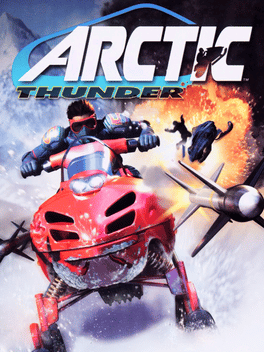
star 7.6From the makers of Hydro Thunder comes the next mad racer by Midway--now digging into frozen race fields and fully throttled with the PlayStation 2! 12 outlandish winter tracks--From the Swiss Alps to the Blizzard in DC to the lost city of Atlantis, each track will challenge your skill and assault your senses. Amazing air, cool tricks--Perform up to 62 tricks to get points. Each character has unique moves. Weapons--Atomic snowballs, proximity missiles, snow bombs, and more are there to use as you battle your way to the finish line. Hand-to-Hand Fighting--Punch and kick your opponents off their sled.NHL 2002
2001
NHL 2002
2001
star 7.7NHL 2002 is a video game released by EA Sports in 2001. It is the predecessor to NHL 2003. The game's cover man is Pittsburgh Penguins superstar and owner Mario Lemieux, who had just made a stunning comeback after being retired for three and a half years. It was the first installment of the NHL series to be released on Xbox.