New Games - Page 12101

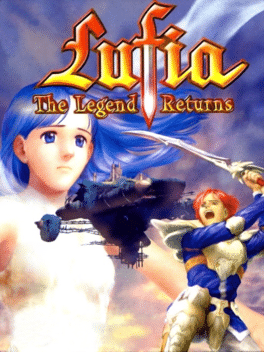
Lufia: The Legend Returns
2001
star 7The island of the Sinistrals, Doom Island, sank deep into the sea after the second Doom Island War. It was believed to be in an eternal sleep, but has once again begun silently beating, preparing to make its appearance in the sky for the third time. The evil Sinistrals have again been resurrected and released an unforseen terror on the land. A force has awaken witin you... a spiritual flow that draws you to a conflict that will save the world! The power of Maxim's legendary bloodline lives in you... The thread of destiny guides you through an adventurous journey looking for an unknown destination!Golf Navigator Vol.3
2001
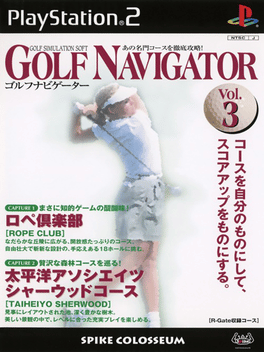
Golf Navigator Vol.3
2001
The Golf Navigator game series let's the player enjoy a golf simulation where the hallmarks are panoramic 360 degree views of the courses and an intuiative system which allows for proper impartation of power and english to the virtual golfer's swing. The Vol.3 features 2 courses: Rope Club & Taiheiyo Sherwood. At the beginning of the game the player can choose between a male or a female caracter, select one of the courses and in each course he can play stroke play, free play or view the course data.Run=Dim as Black Soul
2001
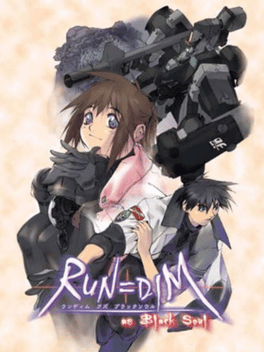
A Turn-Based Strategy RPG based on the anime series Run=Dim, set in a dystopian future where 1/10th of Japan has sunk due to global warming and an evil military organization named "JESAS" has set it's sight on controlling the future of Japan with mechas. Being the second game in the series (the first being "The Mech Smith Run=Dim" for the PlayStation 2) developed by Idea Factory.Nightwatch
2001
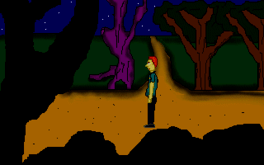
Nightwatch
2001
A Point And Click Adventure Game created by Ross Norton as part of the Reality-On-The-Norm project.D.N.A.: Dark Native Apostle
2001
3D action adventure game for the PS2, inspired by Bomberman and heavily influenced by comic booksMobile Suit Gundam: Zeonic Front
2001
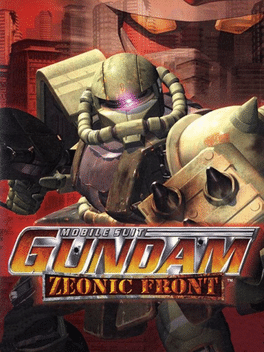
Mobile Suit Gundam: Zeonic Front is a game for the PlayStation 2, which revolves around a Zeon Special Commando Unit during the One Year War, called the Midnight Fenrir Corp. This MS team was created by Kycilia Zabi and participated in the capture of the California Base during the 2nd Earth Invasion Plan.Mobile Suit Gundam: Journey to Jaburo
2001
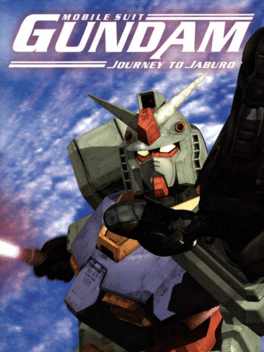
Mobile Suit Gundam: Journey to Jaburo is an action game based directly on the Mobile Suit Gundam films and series. The game begins at the start of the series and ends at the ending of the second film. The game plays in an action game format with a standard third person view. It features newly hand animated cutscenes that depict events from the original television series as well as a CGI opening depicting a space battle from the One Year War and then a scene of the Gundam destroying several Zaku IIs before being attacked by Char Aznable. It is also the prequel to Mobile Suit Gundam: Encounters in Space. The English dub of the video game features the voices of the actors who were cast for the Mobile Suit Gundam television series as with most games subsequent to the series' dubbing, rather than the English cast of the films. Journey to Jaburo takes place during the One Year War, and depicts the crew of the White Base making their way from the Side 7 sector of space colonies to the Federation headquarters at Jaburo.Yu-Gi-Oh! The Duelists of the Roses
2001
star 8Yu-Gi-Oh! The Duelists of the Roses is a video game developed by Konami based on the Yu-Gi-Oh! manga and anime series. Its main characters, Yugi Mutou and Seto Kaiba, play opposing teams known as the Lancastrians and the Yorkists. Each team is playable, battling various characters throughout the plot to prevent a ritual summoning by using sorcerous rose cards.Dave Mirra Freestyle BMX 2
2001
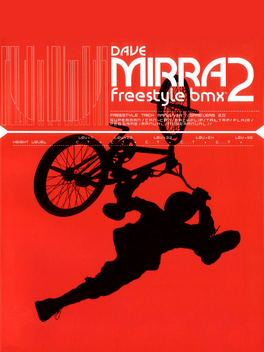
star 4.9Ride around big open levels on your bmx bike, earning points for tricks. Complete various missions which help you unlock more levels and riders.Tetris Worlds
2001
White Day: A Labyrinth Named School
2001
White Day: A Labyrinth Named School is the story of a young man 's trip into a school at the dead of night to deliver some candy in preparation for the Eastern holiday of the same name, White Day, to So-yeong, a girl at school he likes. Finding himself locked up soon after entering, escaping the school now becomes the main objective.Schizm: Mysterious Journey
2001
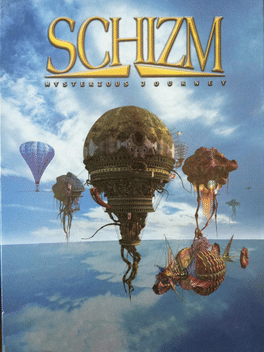
As two survivors of a spaceship crash, you must solve insidious puzzles to rendezvous with each other and uncover the mystery of the abandoned planet Argilus.Tetris Worlds
2001
Tetris Worlds
2001
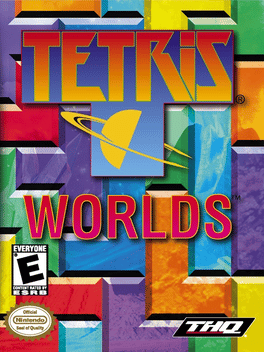
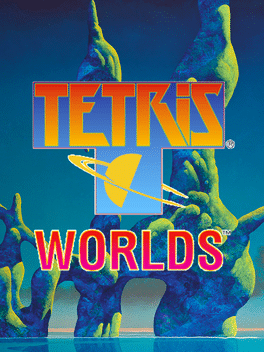
star 5.1For over a decade, the Tetris series has made an appearance on every game system. Tetris Worlds continues that streak, bringing their distinct brand of simple, yet addictive gameplay to the current generation of systems. Small shapes called Tetraminoes fall from the top of the screen to the bottom and you must rotate them and fit them together to complete lines. The game features six different variations of the classic Tetris, multiplayer mode for up to four players, and six different worlds. Sound easy? Once you start, you can't stop.NFL QB Club 2002
2001
NFL QB Club 2002
2001
star 5.5NFL QB Club 2002 is a football video game developed and published by Acclaim Entertainment under their Acclaim Sports banner. It is the final game in Acclaim's NFL Quarterback Club series. Some of the game's key features are: NFL Quarterback Challenge mode, featuring four head-to-head events: Speed and Mobility, Accuracy, Long Distance Throw and Read & Recognition. Unlock retired players like John Elway, Dan Marino, Steve Young, Jim Kelly and Phil Simms 31 NFL clubs and over 1500 NFL players. Play-by-play from Kevin Harlan and color commentary from Bill Maas. Player models feature blinking eyes, jaw motions, facial expressions and removable helmets. Player injuries, penalties and weather conditions affect season play and individual player performance. 5 modes of play: Season, Exhibition, Challenge Mode, Playoffs, and Pro BowlRocket Power: Team Rocket Rescue
2001
Based on the successful Nickelodeon cartoon series, Rocket Power: Team Rocket Rescue for PlayStation features Otto, Reggie, Sam, and Twister displaying their Xtreme sports talents for players as they try to save Ray Rocket's business from the competition. Since Ray Rocket's new line of boards is not gaining exposure, the team decides to advertise by entering local competitions under his name. Players control any of the four characters to snowboard, skateboard, bike, and inline skate through 16 levels of single-player story mode, free play, or Titos Challenge. Performing tricks and completing tasks as Team Rocket tries to help Raymondo will progress players through the game. In Story Mode, the chosen character must complete tasks such as finding bike parts, collecting flags, and navigating through gates in a downhill snowbaord challenge. Performing tricks to earn high scores is another included task. Each level is timed and the tasks must be completed before the time runs out in order to win and progress to the nexBarbie: Explorer
2001
Barbie: Explorer
2001
star 4.3Explore the world with Barbie. Travel to Tibet, Egypt, and the African jungle on a mission to find four ancient, jeweled treasures. Run, jump, swing, climb, and dive to avoid obstacles and deadly pitfalls in a race to unlock the secrets of the Mystic Mirror. Travel only with Barbie or bring a friend, as this game supports up to two players.LEGO Racers 2
2001
LEGO Racers 2
2001
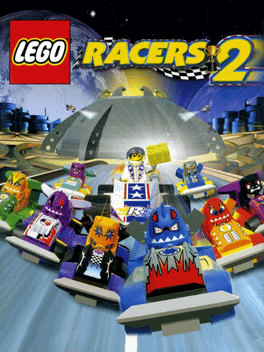
star 6.6LEGO Racers, start your engines! Rocket Racer is back and he's teamed up with the toughest competitors in the galaxy to bring racers of all ages this awesome challenge. Players must win their races, keep their cars on the road and muster all their adventure racing skills to find and collect the elusive Golden Bricks.Biohazard ZombieBuster
2001
BIOHAZARD ZombieBuster is a mobile phone game, first released in 2001 and later remastered in 2011. While the 2001 version was made available to western countries in 2006, the 2011 remake ZombieBuster was only released for Japanese mobile phones at a download price of 315 yen.Pixelines Lillebror: Buler I Bolledejen
2001
It's Pixeline's birthday and her little brother wants to bake birthday buns for her, but they're missing all the ingredients. He must now go out to collect the ingredients to bake the perfect birthday buns.