New Games - Page 12176

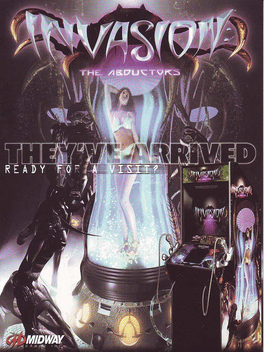
Invasion - The Abductors
2000
There was a time, thousands of years ago when 'visitors' arrived on earth and chose humans for a great experiment. They gave humans the ability to learn in order to watch them evolve and expand their minds beyond their primitive means. Now the experiment is complete and the 'visitors' have returned to harvest their crop. At this moment, their great ships are arriving at major cities around the globe preparing to conquer and claim what is rightfully theirs... the human race. To stop the invasion you must complete 4 separate missions by defeating the invading aliens that are abducting and mutating humans, snatching monuments and creating havoc in the world. The fate of the plant is in your hands!Brave Blade
2000
Extreme Hunting
2000
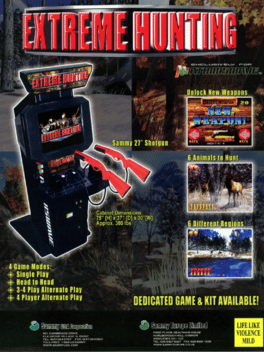
Extreme Hunting
2000
A 3D hunting game where players use pump-action rifles to shoot on-screen animals including deer, moose, elk and bears. The game has three selectable weapons: rifle, shotgun and power bow.Golden Tee 2K
2000
Golden Tee 2K
2000
Golden Tee Golf (also known as Golden Tee) is a golf arcade game series by Incredible Technologies.Dimahoo
2000
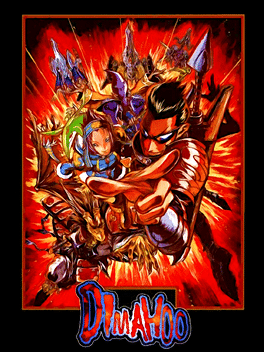
Dimahoo
2000
In this impressive blend of an overhead shoot'em up with RPG characteristics, you must help a group of mystic bounty hunters save the earth against the evil Gobligan Underground Empire. Features excellent 2-D graphics and sound, awesome character & enemy artwork designs, a level-up and elemental-based weapon system and LOTS of hidden items!Microsoft Combat Flight Simulator: WWII Europe Series - Behind Enemy Lines
2000
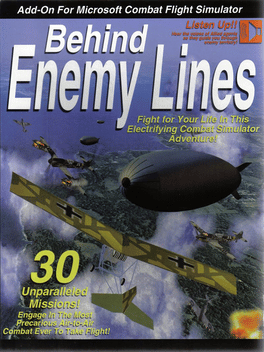
Behind Enemy Lines is an add-on for Microsoft Combat Flight Simulator: WWII Europe Series. This package contains thirty missions, fifteen each for the Royal Air Force and the Luftwaffe, which are set around fictional events leading up to the D-Day landings. The missions are varied. Some of the Allied missions either start or end on a carrier. There are sorties to both attack enemy airfields and defend ships and airfields against attack. On the Luftwaffe side the missions are in many ways the opposite of the RAF missions, attack carriers, intercept bombers etc. Both sides have missions based around a spy called Solitaire with the Luftwaffe trying to prevent his/her escape and the RAF attempting to facilitate it.Silent Scope 2: Dark Silhouette
2000
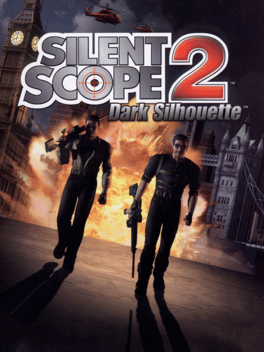
Silent Scope 2: Dark Silhouette is a rail shooter game that is the sequel to the popular arcade game Silent Scope.Demise: Rise of the Ku'tan
2000
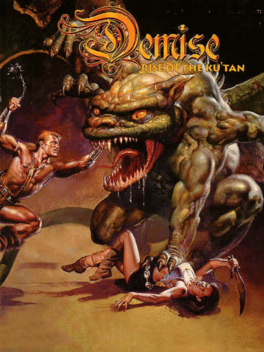
Demise: Rise of the Ku'tan is a first-person RPG that has you slowly crawling your way through its dungeon.Europa Universalis: Crown of the North
2000
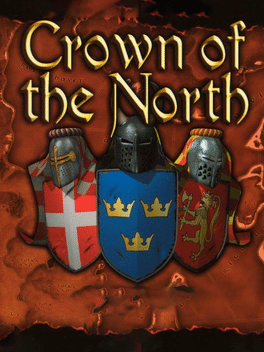
star 7Based on the Europa Universalis engine, Crown of the North takes place in the years between 1275 and 1340 in a time where Sweden is about to launch into its only civil war. Play as Norway, Sweden, or Denmark and plot to change the historical legacy of a region seldom explored by games.Paperboy
2000
Apano Sin
2000
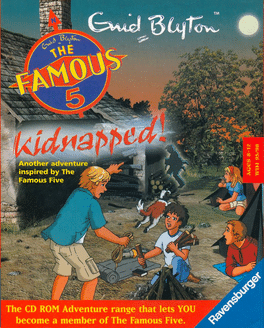
The Famous Five: Kidnapped
2000
The Famous Five: Kidnapped! is a third person adventure game for people of all ages. It is the third episode in Ravensburger's Famous Five series.Business Tycoon
2000
Taco Bell: Tasty Temple Challenge
2000
Players control Baja Bill. Players go through the temple of a lost jungle civilization, battling snakes and scorpions with hot and wild sauce. Taco Bell can be consumed for health. It was a free MS-DOS game that came with a Taco Bell kid's meal.Bugs Bunny in Crazy Castle 4
2000
Bugs Bunny returns in BUGS BUNNYS CRAZY CASTLE 4 for Game Boy Color! Thinking he has found the Carrot Castle, Bugs has once again entered the Crazy Castle. You must help him escape in this single-player action or puzzle game. This time, more than 60 rooms await Bugs, and he'll have to use all of his wits and skills to escape with his "hare" intact. Once again, the Crazy Castle is loaded with traps and hazards that will cut your carrot-collecting career short so make sure you don't get reacquainted with them the hard way. As CRAZY CASTLE fans are probably used to, several Warner Bros. cartoon characters are here to keep Bugs on his toes. You'll have to fight off Daffy Duck, Yosemite Sam, Foghorn Leghorn, Pepe Le Pew, Tweety, and the Tazmanian Devil with one of a variety of weapons, or make tracks to the nearest safe spot. A password save will chart your progress so that you don't have to start from scratch each time you play.Screamer 4x4
2000
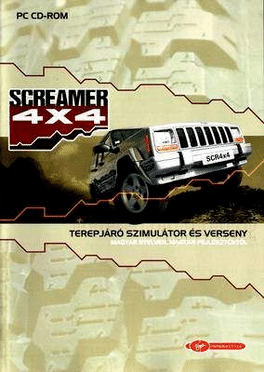
Screamer 4x4
2000
star 9Screamer 4x4 lets players loose on rough terrain in a range of modified off-road vehicles, ranging from the simple Land Rover to the massive RÁBA H18. Players compete in a series of time trial championships and trophies, earning new vehicles and upgrades as they go. There is a variety of play modes, including the option of a free drive (like Midtown Madness). Additionally, there is a range of multi-player games reminiscent of Carmageddon.1945k III
2000
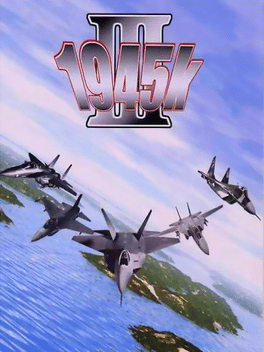
1945k III
2000
star 5.91945kIII is a scrolling shooter arcade video game. It was developed and published by the Korean developer Oriental Software in 2000. In this game, the player controls a fighter and has to shoot as many enemy fighters as possible while the stage is moving forward. There are many bonuses and new weapons available. The gameplay is reminiscent of several 1980s scrolling shooter arcade video games, and is therefore considered a retro game.LEGO Creator: Knights' Kingdom
2000
star 3.4LEGO Creator: Knights' Kingdom is a construction simulation video game for Microsoft Windows; it uses virtual Lego pieces to build a medieval kingdom and then use the kingdom in a battle against the character Cedric the Bull.