New Games - Page 12214

Austin Powers: Welcome to My Underground Lair!
2000
Fans of AUSTIN POWERS will find a lot to do in AUSTIN POWERS: Welcome to My Underground Lair. This game turns your Game Boy Color into a mini-organizer, complete with a word processor (the Evil Launch Pad), a calculator (the Frickulator), and a mockup web browser that contains facts about the popular movies. Looking for something a bit more game-related? Well, AUSTIN POWERS has those in spades, too. The largest of the games, "Kin-Evil," has Dr. Evil and Mini-Me riding their scooter through a variety of stunt-packed stages. Also available for your enjoyment are the "Mojo Maze," a takeoff on PAC-MAN, "Domination," a board game similar to OTHELLO, and finally "Rock or Paper or Scissors," which pits you against an AUSTIN POWERS character in a play of the classic game. Customize the backdrop of all this fun by choosing wallpaper, screensavers, sound effects, and more. You can also link up to play some of the games with a friend or foe using either AUSTIN POWERS: Oh Behave! or AUSTIN POWERS: Welcome to My Underground LaiNicktoons Racing
2000
Nicktoons Racing
2000
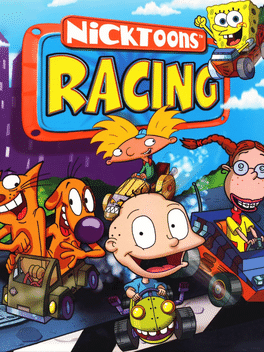
Nicktoons Racing focuses on engaging players in go-kart racing on various Nicktoons-themed tracks, similar to the Mario Kart line of games. The game features a wide selection of playable characters from various Nicktoons, including characters from Rugrats, Aaahh!!! Real Monsters, The Wild Thornberrys, The Angry Beavers, CatDog, The Ren & Stimpy Show, Hey Arnold! and SpongeBob SquarePants.Super Mario Scene Creator
2000
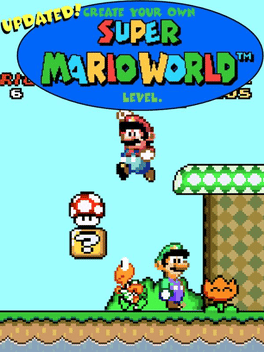
Choose a background and create your own scene based on Super Mario WorldFrogger 2
2000
Frogger 2
2000
Frogger 2 is an extension of the original Frogger, making the levels containing the usual highways and rivers vertically scrolling, with limited side scrolling. Along the way from the bottom to the top of the level, you can collect gems and extra lives, and each level usually has one or more restart points. Along the way, your frog encounters and older, wiser frog called Tadius, who offers advice on strategy.Crimson Skies
2000
Crimson Skies
2000
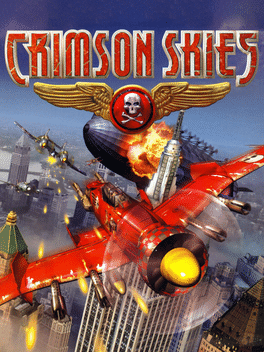
star 7.7The series is set within an alternate history of the 1930s invented by Weisman and McCoy. Within this divergent timeline, the United States has collapsed, and air travel has become the most popular mode of transportation in North America; as a result, air pirates thrive in the world of Crimson Skies. In describing the concept of Crimson Skies, Jordan Weisman stated he wanted to "take the idea of 16th century Caribbean piracy and translate into a 1930s American setting."Wacky Races
2000
Wacky Races
2000
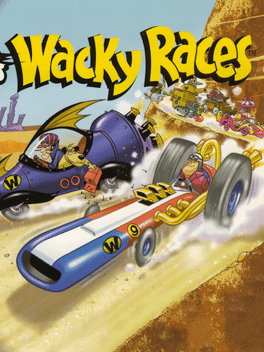
star 6.5Based on the original Hanna-Barbera cartoon, Wacky Races lets you join your favorite characters on a wild race where only your wits, your driving skills and your bag of dirty tricks will get you across the finish line first!NFL GameDay 2001
2000
NFL GameDay 2001
2000
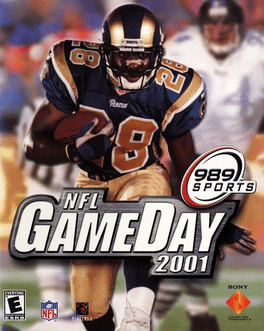
This edition features lifelike player specific graphics that make players look like their real life counterparts. Also new is commentary by Dick Enberg and Phil Simms. Another feature is total-control passing and running. Total-control passing lets you lead, overthrow, and underthrow your receivers so that you can throw more completions and prevent defenders from intercepting your passes. The play editor has been improved making it easier to make new patterns for your receivers and running backs. The general manager mode has also been changed, mostly to help you with the draft so you can easily see what areas of your team need improvement.Duck Dodgers Starring Daffy Duck
2000
Marvin The Martian has developed an ultimate weapon that will allow him to finally destroy Earth, which will ultimately allow him to take control of the universe. Upon the demonstration of the weapon, a slight snag hinders Marvin from completing his devious deed. The Weapon is out of Atoms, which it runs on, so he sends his minions (All of which are characters from the Looney Tune universe) to gather Atoms to fuel his weapon. Duck Dodgers is informed by his academy of Marvin's deeds and sets out to find the one-hundred Atoms before Marvin can. This ultimately has Dodgers and his sidekick, Cadet, trekking to four different planets, including a large pirate ship, to obtain the upper-hand over Marvin.Internet Hearts
2000
Internet Hearts
2000
Internet Hearts is a game pre-installed on Windows ME and Windows XP systems that features online play.Kanon
2000
Kanon
2000
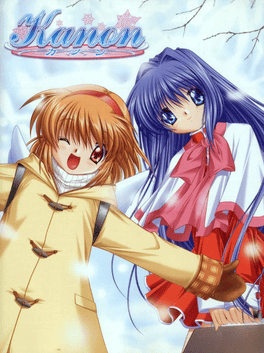
An expanded port of Kanon that added voice acting to all characters, minus the protagonist.Oha Suta Dance Dance Revolution
2000
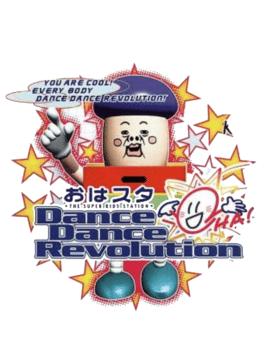
Oha Suta Dance Dance Revolution is a Japan-exclusive DDR that primarily features songs from the kids show Oha Suta. There are a few Konami original songs thrown in for good measure.Fussball Manager Bundesliga 2001
2000
Fussball Manager Bundesliga 2001 is a football coaching game developed by electronic arts and themed around the German Bundesliga.Simple 1500 Series Vol. 38: The Real Racing Toyota
2000
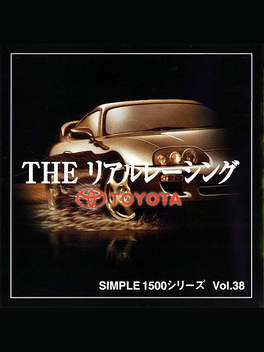
Simple 1500 Series vol. 38: The Real Racing - Toyota is a racing game that features different Toyotas car models that can be drive in different Japanese circuits and in different time (noon, evening, night, etc) and weather conditions (sunny, cloudy, rain or misty).Simple 1500 Series Vol. 37: The Illust Puzzle & Slide Puzzle
2000
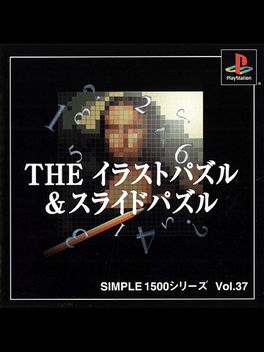
Big collection of illustration and slide puzzles for the player to choose and solve. Up to 2 players to play at the same time. There are more than 500 illustration puzzles and more than 100 slide puzzles.Dotsubo-chan
2000
Dotsubo-chan
2000
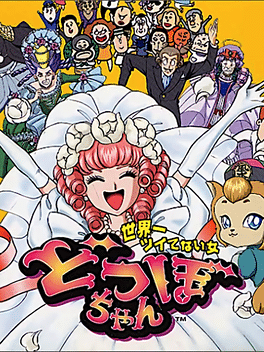
Dotsubo-Chan tells the story of a young girl that is going to get married, but when the day of the wedding arrives, all thing are going wrong and she will have to fix all of them if she wants to arrive to the wedding and get married. The goal of the game is to get to the end of the day and get married, to do that she will have the help of a strange creature that will help her is she follows the feng shi rules. In each part of the game the player will have to answer five questions to pass to the mini game stage, and to advance in the game the player will have to pass the minigame. The most difficult part of the games is to pass the mini games, most of them are really difficult.G-Saviour
2000
The Land Before Time: Return to the Great Valley
2000
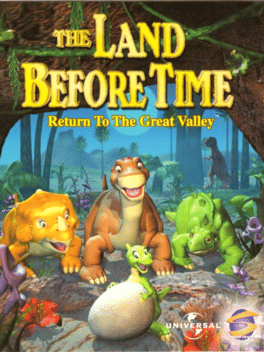
After being chased by a Sharptooth while returning a stolen egg, Littlefoot, Cera, Ducky, and Spike become lost in the Great Beyond. Players control the four prehistoric pals as they each must find the way back home in The Land Before Time: Return to the Great Valley for PlayStation. Journeying through five 3D levels, the characters must collect treestars while avoiding perilous pitfalls. Levels contain interactive elements, such as plants and tar bubbles. Depending upon the selected character, players can make use of tail whipping, head butting, and other abilities to build bridges, ride geysers, and overcome other obstacles. Petrie is also readily available to fly onscreen and offer advice and direction. Levels are composed of obstacle courses and puzzle-type action as players need to cross rivers, feed plants, and collect treestars while avoiding hazards, such as lava, water, and steep cliffs. After all five characters exit the fifth level, they are all reunited in the Great Valley.Wild Rapids
2000
Wild Rapids
2000
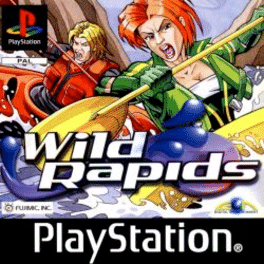
Kajak racing game developed for the Sony Playstation by Fujimic Inc and released only in Japan and PAL territories in 2000.Super Robot Taisen Compact 2 Dai-2-bu: Uchuu Gekishin-hen
2000
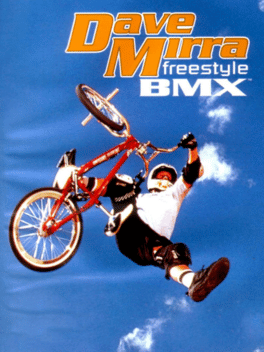
Super Robot Taisen Compact 2 Dai-2-bu: Uchuu Gekishin-hen is a Strategy game, developed by TOSE and published by Banpresto, which was released in Japan in 2000.Dave Mirra Freestyle BMX
2000
star 6.9Dave Mirra Freestyle BMX is a video game released in 2000 featuring BMX Rider Dave Mirra and other professional BMX riders. It was developed by Z-Axis Ltd. and published by Acclaim Entertainment under their Acclaim Max Sports label. The game was released on the PlayStation, Game Boy Color, Dreamcast and Microsoft Windows. The player's main objective in the game is to choose one of the riders and work their way through a total of 12 different levels, completing objectives to unlock new equipment. A sequel was released in 2001 entitled Dave Mirra Freestyle BMX 2.