New Games - Page 12424

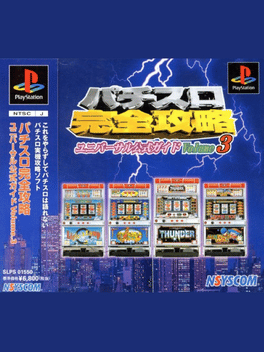
Pachi-Slot Kanzen Kouryaku: Universal Koushiki Guide Volume 3
1998
Pachi Slot Kanzen Kouryaku 3 - Universal Koushiki Gaido Vol.3 is a pachi-slot (gambling machine) game that features 4 different gambling machines and different levels of zoom. The 4 machines are Thunder, Lets, Light a Lamp & Mr Do!. Are based on the arcade slot machines of the same names released by Aruze. A slot machine (American English), fruit machine (British English), poker machine (Australian English) or simply slot (American English) is a casino gambling machine with three or more reels which spin when a button is pushed. Slot machines are also known as one-armed bandits because slot machines were originally operated by a lever on the side of the machine (the one arm) instead of a button on the front panel, and because of their ability to leave the gamer penniless. Many modern machines still have a legacy lever in addition to the button. Slot machines include a currency detector that validates the coin or money inserted to play. The machine pays off based on patterns of symbols visible on the front of theUki-uki Tsuri Tengoku: Kawa Monogatari
1998
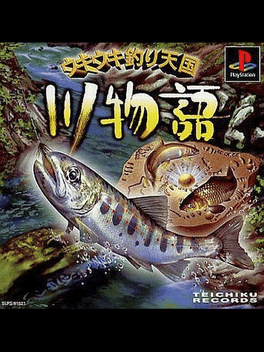
Uki Uki Tsuri Tengoku - Kawa Monogatari in the second game in the Teichiku fishing games for PlayStation. Those games features fishing in islands. As a in the first game in the series the game uses the classic first person perspective. This time the game features 2 different game modes a story mode in which the player can try to catch fishes in different places of the island, watch animals in one part of the island and compete in fishing tournaments, the other game mode is free fishing in which the player select a fishing spot and try to catch fishes. The game features different fish species and fishing spots. The game features also a complete encyclopedia with a lot of different kind of fish species and recipes that are unlockables catching them in the story mode.Noël: La Niege Special
1998
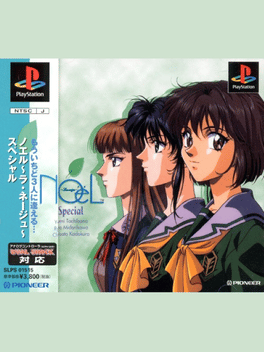
Noël La Niege Special is the third game in the Noël series for the Playstation one console. This game is the sequel to Noël La Neige and features the same 3 female characters from that game: Yumi Tachibana, Ryo Midorikawa & Chisato Kadokura. The game uses the same controls of Noël La Neige: each button is for a different thing like say yes, no or question. The gameplay is about choosing different answers or gather information to investigate in your computer network. Click on Interactive to start talking to Kaho or another girl right away. During the talk mode, there is a re-sizable data window in the middle of the screen. As your character talks with Yumi or any other character, topic icons stream across this bar, so click on them and they will be transferred to the data window.World Pro Tennis '98
1998
Ano Ko Doko no Ko
1998
Ano Ko Doko no Ko
1998
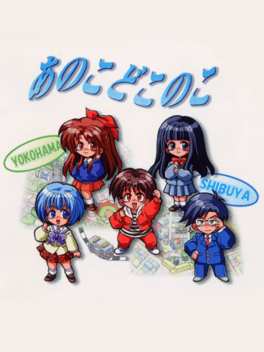
Anokodokonoko is a dating simulation board game released by Success in 1998 that features 2 main game mode: - Story mode: Only one player game. In this mode there is a strong element of simulation. The hero (the player) has the purpose of meeting with the girl, and make her fall in love with him, the game in this mode features different events. - Party mode: This mode can be played by up to 4 human players. This mode is more focused in the board game style but without squares and dices, since the game is also playable in the story mode game maps and is a sort of a competition between the human characters to win and know who between them got more friends or dates with the different girls.The Drugstore: Matsumoto Kiyoshi de o Kaimono!
1998
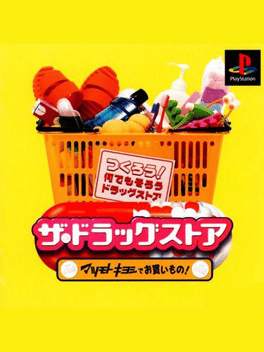
The Drug Store: Matsumoto Kiyoshi de Okaimono! is a simulation game made by Human in which the player can build his own Drug Store shop. The first is to choose the proper place to do it, since the possible customers will depend of the place chosen to the shop. After building the shop the next step is to choose the proper furnitures and the goods that are going to be sold. After all that choices the shop will be opened and the game features different announcements to make the shop more known so depending of how much money the player have the publicity will be more effective and bring more customers. The game features some events like conversations with some people in first person perspective with anime 2d cartoon designs.Resident Evil 2: Dual Shock Ver.
1998
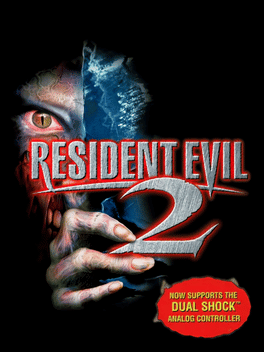
First re-release of Resident Evil 2, the Dual Shock Ver. incorporated support for the PlayStation's DualShock analog controller and vibration functions. Also included is a new unlockable mini-game called "Extreme Battle" and a "Rookie" mode, which allows the player to start the main story with a powerful weapon with infinite ammo.Real Bout Garou Densetsu Best Collection
1998
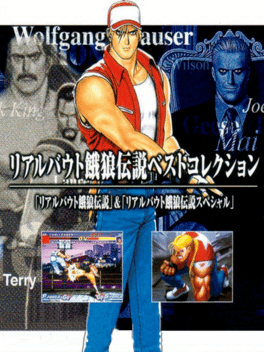
Real Bout Garou Densetsu Best Collection is a Sega Saturn compilation containing Real Bout Garou Densetsu and Real Bout Garou Densetsu Special, both previously released on the console.Resident Evil: Director's Cut Dual Shock Ver.
1998
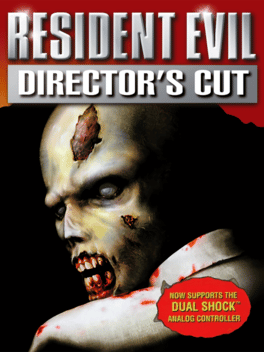
star 8.2This game is a special re-release of Resident Evil: Director's Cut with added Dual Shock analogue stick support. It also includes work-in-progress videos of the sequel Resident Evil 2 (also known as Resident Evil 1.5), which shows a very different version of the game than was actually released. In North America, Resident Evil: Director's Cut Dual Shock Ver. was released as a downloadable game available from the PlayStation Network soon after it launched in November 2006, although the game is advertised with the original Director's Cut box art. In Japan and Europe, the original Director's Cut was instead made available from the PlayStation Network.Merriment Carrying Caravan
1998
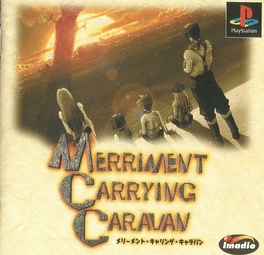
The game is set on the colonial planet Grant, which is less than a century old since it was colonized. Spaceships regularly come in search of resources. The player will run a caravan on this wilderness planet, trade goods and export resources from all over the planet. At the same time, we have to raise our four daughters.Family Bowling
1998
Family Bowling
1998
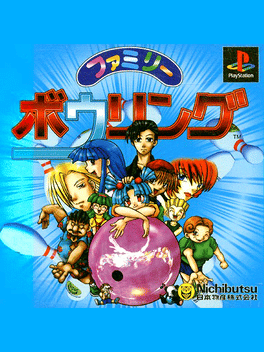
Family Bowling (also known as Wai Wai Bowling in a later release) is a bowling game that features 2 courts at the beginning of the game (Prism Town & Liberty Planet), 12 characters (only 4 are available at the beginning of the game) & 2 game modes: - Free or Tournament mode: In this mode there are 4 possible playable characters to choose (Maki, Kazuhiko, Shota & Ichika). The player can select also the number of opponents and if he wants that they will be computer or player opponents. - Challenge Mode: In this mode the characters are the same as in free mode but here the gameplay is about different bowling challenges that the player has to try to clear. The gameplay as usual in the bowling games begins with an overview of the court where the player has to select the direction of the shot, after that the character direction and finally select the power and effect of the shot. At the beginning the player can change the name of the bowler and also select if he want a right-hand or lefty player. The game allows up tSokoban Basic 2
1998
Sokoban Basic 2
1998
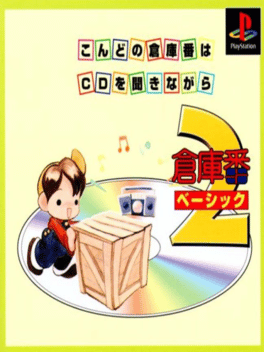
The second Playstation game based on the classic puzzler based on the gaffer in charge of a warehouse needing to get the stock correctly stashed. Unfortunately the stock can only be pushed around requiring a bit of lateral thinking to get the warehouse in order.Wachenröder
1998
Wachenröder
1998
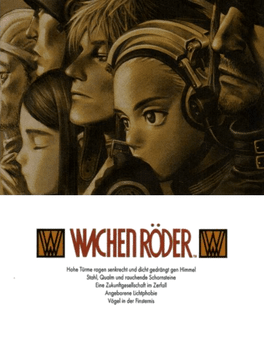
Wachenröder is a turn based game with 3D maps and set in the victorian era. The story takes place in a dark future on the island Edward, which is ruled by the noble and magnanimous King Wizar.Go-Jin Senki
1998
Go-Jin Senki
1998
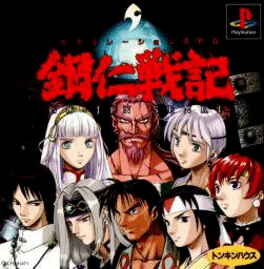
Go-Jin Senki is a tactical RPG game that takes place in a fantasy world where some evil forces controls some giant robots that they used to conquer all the lands.Guardian Force
1998
Guardian Force
1998
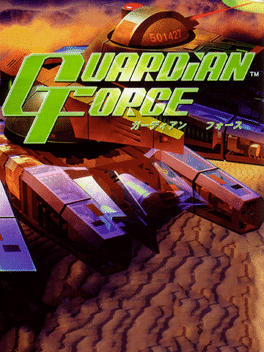
A tank themed shoot-'em-up game released for the Sega Saturn in 1998. It was later brought to arcade hardware.Dragon Seeds
1998
Dragon Seeds
1998
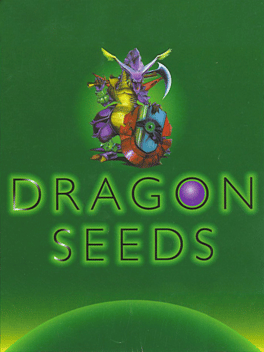
Enter the world of Dragon Seeds! As a Dragonsage you will need to genetically engineer, and train (essentially "ranch") your dragons for armed combat. Plus, you can use memory card data from any game to create high powered dragons. Dragon Seeds features a simple, RPG-like battle interface, tons of weapons and shields, and a two-player mode.Bomberman Fantasy Race
1998
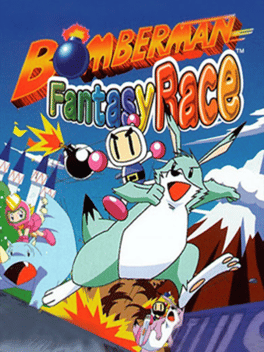
If you're looking for fun racing action, look no further than Bomberman Fantasy Race! Lightning fast competition, zany obstacle infested tracks and of course bombs! It's a battle-racing game like you've seen. Features: * Wacky animal racing! Race atop 10 different animals through 7 unique fantasy courses. Use special techniques , such as the triangle jump, bomb dash and catapult to get ahead of the competition! * Intense 2 player action! Compete against your friends in the split screen mode to prove who's #1! Best of all, clean out their piggy bank with the unique wagering system! * Over 15 crazy power-ups! Wield over 15 wacky weapons, including rocket bombs, power bombs, shields and power suits. Unleash long range attacks utilizing the unique throw meter!Alive
1998