New Games - Page 12563

Temple2
1997
Temple2
1997
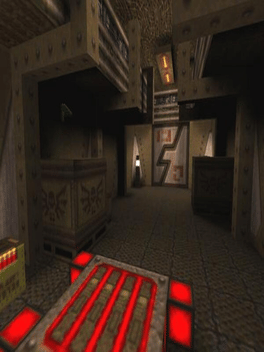
These six levels are loaded with tricks,traps and SPECIALEFFECTS such as: 3d-floors transparent doors deep-water sky walls visible floors that actully are not there(you fall thru them) floating corpses and much more..You must be a true nutcase if you make it through all six levels without cheating.Obsidian
1997
Obsidian
1997
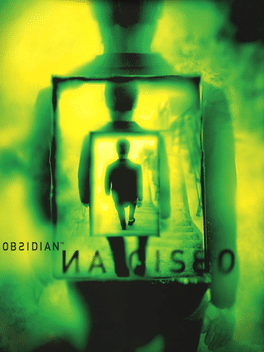
Obsidian is a first-person 3-D graphical adventure/puzzle game, in which the player controls scientist Lilah Kerlins, who has to stop artificial intelligence Ceres from recreating the world.The Underworld
1997
The City of Lost Children
1997
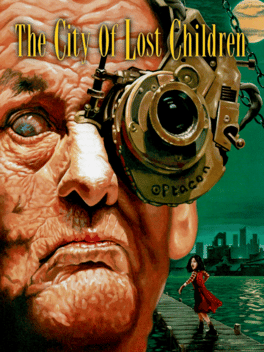
If you've ever seen the movie, you know your in for a weird, almost trippy gaming experience with The City of Lost Children. In it, you are Miette who lives in an orphanage. The evil "Siamese twins" that run the orphanage have Miette steal stuff for them. But all of a sudden, some dark presence starts to steal the souls and dreams of the little children. Of course, it is up to Miette to save the day and get to the bottom of these events. Like the Alone in the Dark series, The City of Lost Children takes place in a 3D, 3rd person adventure world filled with lots of diverse and challenging puzzles, objects and people to interact with and a strict likeness (visually) to the movie.Lupin III Sansei: Cagliostro no Shiro Saikai
1997
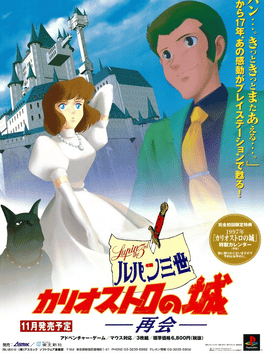
Lupin Sansei: Chateau de Cagliostro Saikai is an Adventure game, published by Asmik Ace Entertainment, Inc, which was released in Japan in 1997.Lode Runner Extra
1997
Lode Runner Extra
1997
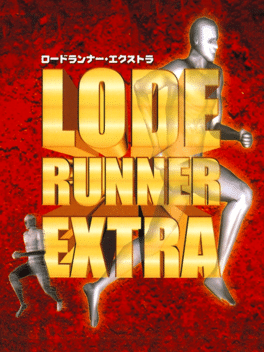
Lode Runner Extra is a stand-alone expansion for Lode Runner: The Legend Returns, featuring 110 new levels for advanced players and an integrated level editor. The gameplay remains the same in this action-platformer, where the objective is to collect all the gold nuggets and bars scattered around each stage to activate a portal to the next level. Red monks chase the main character around the many platforms and ledges, killing the adventurer when finally reaching him. New tools and other helpful pieces of equipment are slowly introduced with cutscenes showing their usage.Racingroovy VS
1997
Racingroovy VS
1997
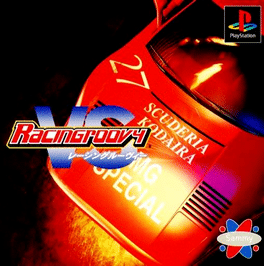
Racingroovy VS is a PlayStation arcade racing game by Sammy Studios released in Japan in 1997.Tibia
1997
Tibia
1997
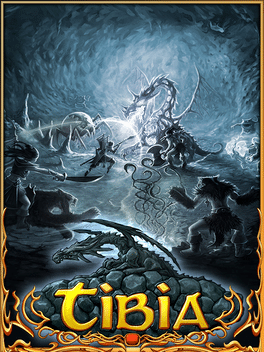
star 7.9One of the earliest and most successful massively multiplayer online role-playing games (MMORPGs) in history, Tibia is a two-dimensional tile-based game set in a fantasy world with pixel art graphics and a top-down perspective. There are currently 68 game servers online, of which 24 in Europe, 25 in North America, and 19 in South America.Intelligent Qube
1997
Intelligent Qube
1997
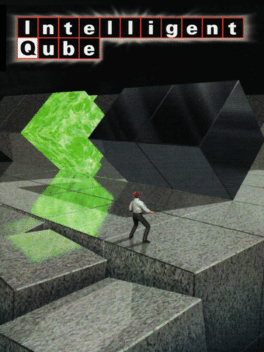
star 7Intelligent Qube is a puzzle game for the PlayStation. In the game, the player controls a character who must run around a platform made of cubes, clearing certain cubes as they approach. Cubes are "cleared" by marking a spot on the stage, waiting for the cube to roll on top of it, and then deactivating the marked spot.Geometry Blaster
1997
Inu Dai Suki!
1997
Inu Dai Suki!
1997
Pet Club: Inu Dai Suki! is a Strategy game, developed and published by Sega, which was released in Japan in 1996.Pet Club: Inu Dai Suki!
1997
Pet Club: Inu Dai Suki! is a Strategy game, developed and published by Sega, which was released in Japan in 1996.Nightmare Circus
1997
Nightmare Circus
1997
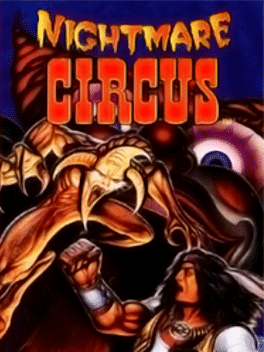
On opening night, the circus was set ablaze and burned completely to the ground by its shady and villainous operator, the Jester, who intended to cash in on an insurance policy. Afterwards, the Jester was convicted for the deaths of the fire victims, but before he was executed, the Jester warned that the souls of the victims would be forever tormented. Many years later, a Native American man named Raven who had lost relatives to the fire goes to investigate the site where the circus was held, and where strange happenings have been reported.Sega Ski Super G
1997
Sega Ski Super G
1997
In Sega Ski Super G, the objective is to race against other opponents under a time limit. The game has two modes: World Series and Time Attack.Sunes Sportlov
1997
Sunes Sportlov
1997
Sune is love-stricken by his neighbours daughter Sophie, who is also vacationing at the same resort, but manages to antagonize her at the start of the story, so she makes up some difficult tasks for him to fulfill before accepting his invitations.Immemory
1997
Immemory
1997
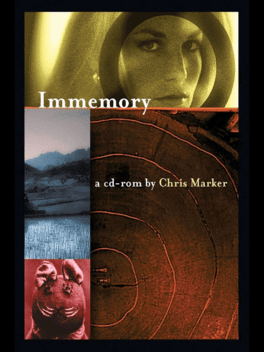
In Immemory, Chris Marker has used the format of the CD-Rom to create a multi-layered, multimedia memoir. The reader investigates “zones” of travel, war, cinema, and poetry, navigating through photographs, film clips, music, and text, as if physically exploring Marker’s memory itself. The result is a veritable 21st-century Remembrance of Things Past, an exploration of the state of memory in our digital era. With it, Marker has both invented a literary form and perfected it.Xjump
1997
Xjump
1997
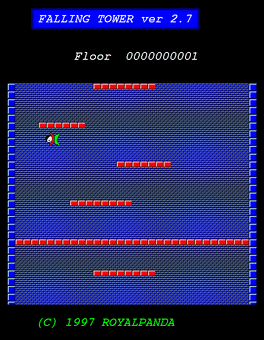
A game where you jump up and up while the tower collapses under your feet. The objective of the game is to climb as high as you can before you fall. The speed in which the tower falls grows linearly with time until it reaches a certain threshold. Also, the player can jump higher by first moving sideways, mastering sideways jumps in any given situation, such as a small platform is crucial. There are a few different themes (skins), which the player can choose.Terra Incognita
1997
Terra Incognita
1997
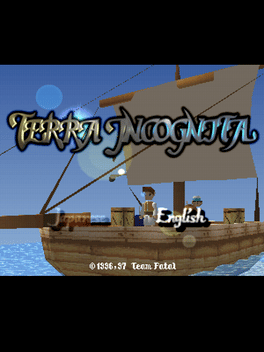
Terra Incognita a 3D action RPG in the tradition of Zelda, with basic hack-and-slash combat, platforming and simple box-based puzzles. It was created for Net Yaroze by Mitsuru Kamiyama, years before he was hired by Square Enix and create the Final Fantasy Crystal Chronicles series.Disney's Animated Storybook: 101 Dalmatians
1997
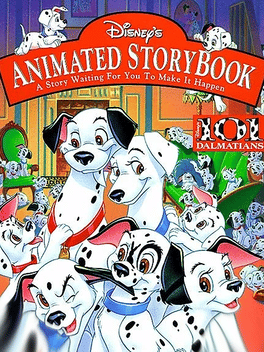
Relive the events of Disney's 101 Dalmatians in an educational animated picture book with minigames.Mars 3D
1997
Mars 3D
1997
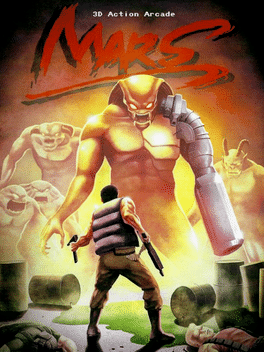
A first-person 3D shooter/vehicular action game set on a colonized Mars. Players pilot armed rovers and on-foot vehicles through hostile alien-infested environments to complete mission objectives, rescue survivors, and retrieve resources. Features fast-paced combat, destructible terrain elements, and polygonal graphics optimized for DOS PCs.