New Games - Page 12565

MDK
1997
MDK
1997
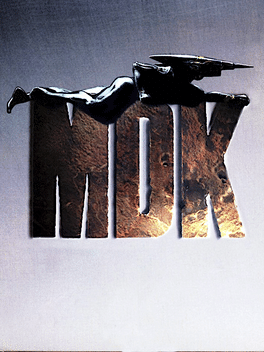
star 7.7The game tells the story of Kurt Hectic, a janitor who reluctantly must attempt to save Earth from an alien invasion of gigantic strip mining city-size vehicles named "Minecrawlers". These Minecrawlers are not only removing all of earth's natural resources, but are also crushing any people and cities that get in their way. Aided by his boss, the (possibly) insane inventor/scientist Dr. Fluke Hawkins, and a genetically engineered robotic two-legged/four-armed dog named Bones (although he prefers Max), Kurt must infiltrate each Minecrawler, and fight his way to the pilot, whom he must then kill before returning to Hawkins' in-orbit space station, the Jim Dandy.Sanguo Chunqiu: Sichuan Sheng
1996
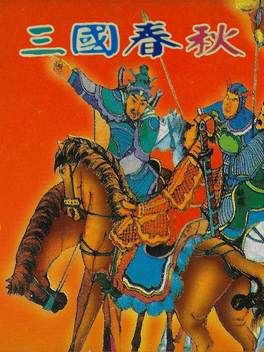
An unlicensed Mahjong game for the Famicom themed around Romance of the Three Kingdoms.Di Dao Zhan
1996
Ushio and Tora
1996
Ushio and Tora
1996
An interactive manga based on the Ushio and Tora series by Kazuhiro Fujita. It was released as part of a series of interactive manga called MangaRomUmezma
1996
Umezma
1996
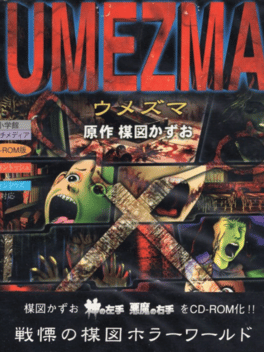
Umezma is a first-person horror game based on the story "Rusty Scissors" from the manga "Kami no Hidarite, Akuma no Migite" by Kazuo Umezu. It was released as part of a series of interactive manga called MangaRom.Yumemiru Kairou
1996
Yumemiru Kairou
1996
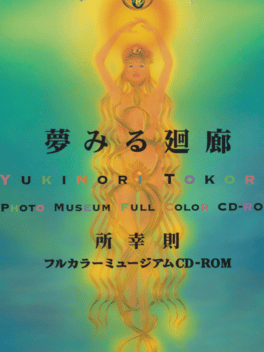
"Gallery of Dreams" allows the user to virtually walk through the inside of a graphically created cathedral-like art museum while enjoying some 170 fantastic art pieces by photographer Yukinori Tokoro.Alice in Musicland
1996
Alice in Musicland
1996
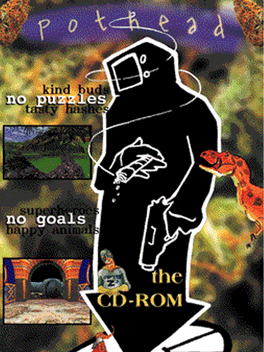
Alice in Music Land (also known as Alice in a Musical Country as it has sometimes been translated as) is one of those mid-90s PC obscurities that feels like it could've been conceived in an alternative world through a looking glass. Released in 1996 for Windows 3.1 by the Russian publisher So\USE Interactive Entertainment, it was produced in a very small print run (manufactured in Sweden, of all places) and quietly slipped out of sight on its way to the English speaking world. Despite its obscurity, it later found its way onto Russia's official list of recommended educational music software, leading schools, libraries, and even kindergartens to acquire it. The game supports both Russian and English, further underscoring its unusual international ambitions for the time.Pothead
1996
Akai Hana
1996
Akai Hana
1996
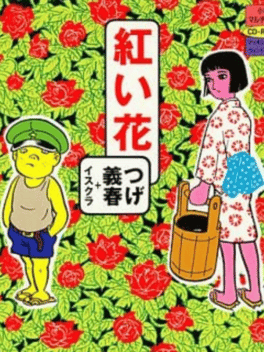
An interactive manga featuring art and story written by Yoshiharu Tsuge. It was released as part of a series of interactive manga called MangaRom.Richard Scarry's Best Reading Program Ever
1996
Mr. Fixit has built a brand new storymobile, but he's forgotten the stories. Huckle and Lowly help him find more stories by playing mini-games at the Busytown Schoolhouse, the supermarket, the beach, a campsite, and Farmer Soybeans' farm.Blitz Strasse
1996
Blitz Strasse
1996
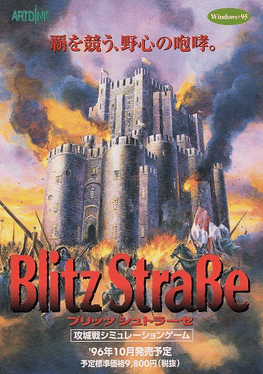
Japan-exclusive Mideval warfare strategy/simulation game for Windows 95, developed by Artdink. Released in 1996.Barbarian
1996
Radica Bass Fishin'
1996
Radica Bass Fishin'
1996
This was a partially motion controlled simulation handheld game where you play as a fisherman going fishing.Spirou
1996
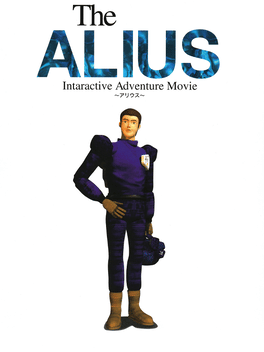
The Alius
1996
Earthworm Jim
1996
Earthworm Jim
1996
A direct port of the Game Gear version of Earthworm Jim was also brought to the Master System. However, it only has 4 levels, and the boss in "What the Heck?" is missing.Versus Net Soccer
1996
Versus Net Soccer
1996
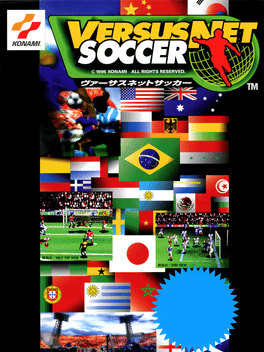
28 different national teams are selectable in this soccer game. You can select from two 3-D views: half-top view or side view. When two monitors are used, one screen can be in half-top and the other in side view during the game. (Sinopsys from Arcade Database)Magical Date: Doki-doki Kokuhaku Daisakusen
1996
Magical Date is a skill game and dating sim published by Taito in 1996 for arcade and PlayStation. In this game, the player picks one of three possible girls to date and then starts off in a square as in a board game, proceeding to other squares which have different mini games. At junction points the player is asked questions about their date and has to pick the correct answer, or she will become upset. Released in October 1996 in Japan only. The subtitle of this game translates from Japanese as 'Cruel Heartthrob Tactics'.