New Games - Page 12623

Nazo-Oh
1996
Nazo-Oh
1996
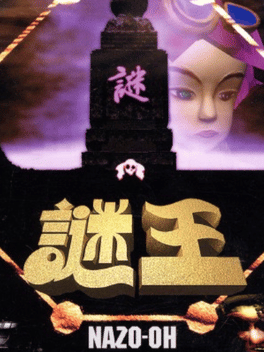
Nazo-Oh is an Adventure game, developed by Bandai Visual and published by Bandai, which was released in Japan in 1996.Be-Yond: Kurodaishou ni Mirareteru
1996
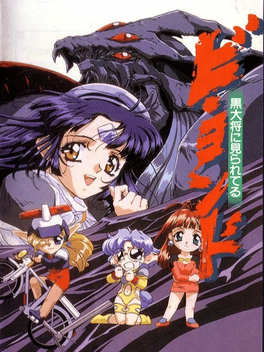
When I woke up from the darkness, I learned that I was the legendary Devil of Darkness, that was said to have the power to destroy the universe. The beautiful girls approach me one after another. My shout roars in space. When I pat a villain gently, he is discomposed into molecules... It seems that I have the power... But... am I really the Devil?Wangan Dead Heat + Real Arrange
1996
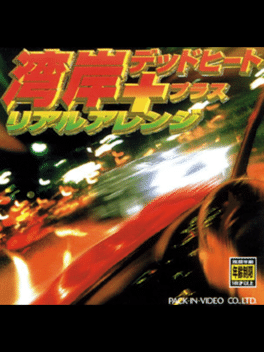
Wangan Dead Heat is a spin-off of Genki's Shutokou Battle (aka Tokyo Xtreme Racer) series. This Saturn game combines the typical arcade racing of the time with a career mode consisting of the player attempting to woo women by driving fast and safe. FMV's would play depending on how the player did, and being successful eventually leads to (supposedly) the women stripping their clothes, hence the 18 age rating. This Version includes a bonus disk jammed with more FMV's lewd enough to warrant a yellow label warning. Unfortunately, the quality of the FMV footage on the bonus disk is poor without the Saturn MPEG card being installed, but it still runs without one.Private Idol Disc Vol. 2: Uchiyama Miki
1996
Idol Digital Photobook released exclusively in Japan for Sega Saturn. Includes short videos and a mini-game.Fuuun Gokuu Ninden
1996
Fuuun Gokuu Ninden
1996
Fuuun Gokuu Ninden is a 1996 platformer for the Playstaton one developed and published by Aicom.Yellow Brick Road II
1996
Yellow Brick Road II
1996
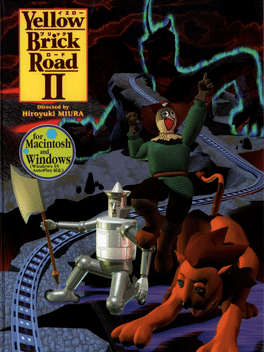
The good witch Glinda is captured by the Wicked Witch of the West, and the Tin Man, Cowardly Lion and Scarecrow must set out to rescue her.Nyan to Wonderful
1996
Nyan to Wonderful
1996
Nyan to Wonderful is a pet simulation game that is about training a cat or a dog. The game features different cat and dogs species and uses a 3D engine with different camera angles. The player can use different toys and musics to train his pet, and give him or her different kind of meals. There is a photograph mode and a gallery mode can also be unlocked. The game features other game modes that can be unlocked playing the main game.Toaplan Shooting Battle 1
1996
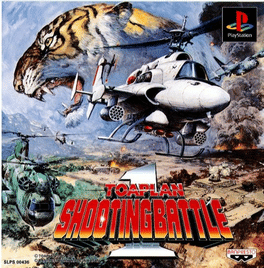
Toaplan Shooting Battle 1 is a compilation of two classic shooters by Toaplan: Tiger-Heli and Kyūkyoku Tiger (Twin Cobra). Both Japanese and overseas versions of Twin Cobra are available.Pro Mahjong Kiwame Plus
1996
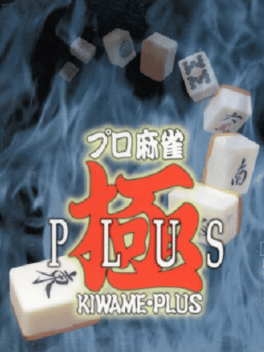
Pro Mahjong Kiwame Plus is a mahjong game, and is the first game in the series released for the Sony PlayStation console. The game features 16 different real mahjong players as opponents and the game mode is a 4 player vs mahjong. The game features 3 game modes: Professional, Gamble & Training.CRW: Counter Revolution War
1996
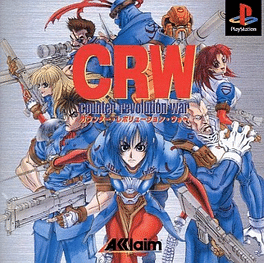
A Japanese turn-based strategy game published for the PlayStation in 1996.Öhlins Hyper-Rally
1996
Öhlins Hyper-Rally
1996
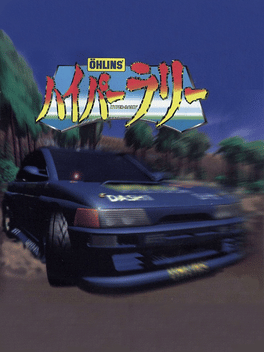
A 1996 PlayStation racing game with the license of automotive supply brand Öhlins.Dark Savior
1996
Dark Savior
1996
Put on your thinking caps and prepare to face fierce enemies! Assume the role of Garian, a sword-wielding warrior in search of his escaped prisoner, Bilan. Discover hidden treasures as you explore amazing 3D environments while navigating through a series of mind-melting puzzles!Arthur to Astaroth no Nazomakaimura: Incredible Toons
1996
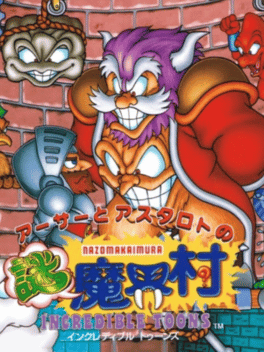
A Japanese-only entry in Dynamix's The Incredible Machine series based on the Ghosts 'N Goblins series. It is the only The Incredible Machine game with a plot, which is the same as in every Ghosts 'N Goblins game: the princess is kidnapped by Astaroth (the main villain of the games), so Arthur (the main character in the series) has to save her. It features all of the known characters of the series, such as the Red Arremer (who would get his own game series: Gargoyle's Quest). It also features items from the game, for example the armor icon, which is required for Arthur to move in this game. Not only does it have the most well known characters in the Ghosts 'N Goblins games, it also features remixed music of the series. As with the The Incredible Machine games, there are different kinds of puzzles, one of them even involves killing Arthur. However, unlike the The Incredible Machine games, there are no Head-to-Head puzzles and no Freeform Machine mode, so there's only single player puzzles.Daisenryaku Expert WWII: War in Europe
1996
Daisenryaku Expert WWII: War in Europe is a Strategy game, developed by SystemSoft and published by ASCII Entertainment, which was released in Japan in 1996.Numbers Paradise
1996
Numbers Paradise
1996
Numbers Paradise is a Miscellaneous game, developed by ISCO and published by Acclaim Japan, which was released in Japan in 1996.Hissatsu Pachinko Collection 4
1996
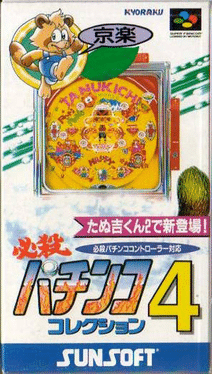
Hissatsu Pachinko Collection 4 is a Miscellaneous game, published by SunSoft, which was released in Japan in 1996.Honke Sankyo Fever: Jikki Simulation 3
1996
Honke Sankyo Fever Jikki Simulation 3 is a Miscellaneous game, developed by Vistec and published by Boss Communications, which was released in Japan in 1996.Cool Boarders
1996
Cool Boarders
1996
star 5Cool Boarders presents a most awesome and excellent challenge: to out-shred the best boarders on the pro circuit.Grand Prix 2
1996
Grand Prix 2
1996
star 8.7All the circuits and drivers of the 1994 Formula 1 World Championship is recreated in Geoff Crammond's second racing simulation. The game is viewed from within the cockpit - external views are provided primarily for use in replays or demonstrations. Texture mapping and full detail in the rear view mirrors are available for almost every visible feature. The game has 5 skill levels, 7 driving aids such as automatic brakes and a dotted 'ideal racing line' to follow available on lower skill levels, and variable race and practice session lengths. You will have to alter the car's setup to get the best possible car performance - this ranges from standard features such as brake balance and gear ratios onto more technical ones such as spring settings and the ride height. Multiplayer games involve either taking it in turns on a single computer, or on a linkup.Skyewood
1996
Skyewood
1996
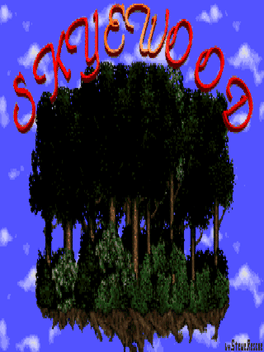
Play Doom outside in a forest, complete with angry trees, groovy mushrooms, exploding toads and a real dragon!