New Games - Page 13002

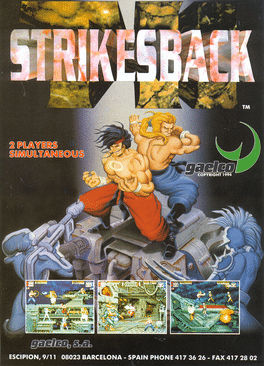
TH Strikes Back
1992
TH Strikes Back
1992
In this sequel, you control a poweful ESP Rambo-like character, throwing sonic rays from his hands and destroying mutated enemies. This game is Thunder Hoop II.The Humans
1992
The Humans
1992
star 5.9The gameplay of The Humans has similarities to Lode Runner and Lemmings. Your job in this action puzzler is to help prehistoric man to evolve by helping them discover tools, the wheel, weapons, or even fire. Each level in the game will have a given task to help in this, and you are allotted a number of characters who must accomplish the task. The player can switch from person to person while moving the characters around each scrolling puzzle, and teamwork is essential to success. Tasks can include finding objects (like a spear) on the screen, or trying to reach a specific destination which may require the use of objects you have discovered so far. Each level has a time limit, when time runs out the level can be restarted.Wild West Seymour
1992
Wild West Seymour
1992
Seymour's second adventure was based around a western he was shooting, and featured him attempting to track down a villain who was attempting to sabotage the movie. The game was divided into four sections, as Seymour visited various American locations in his quest. Other than being in four parts, this game had a similar format to the first, but was somewhat less successful, as it was perceived to be a little too easy.Super Seymour Saves the Plant
1992
This was the first of Seymour's pure arcade-style games. It was described as Seymour's first starring role in a film, and was a platform game, heavily based on the well-known game Bomb Jack.Home Alone
1992
Home Alone
1992
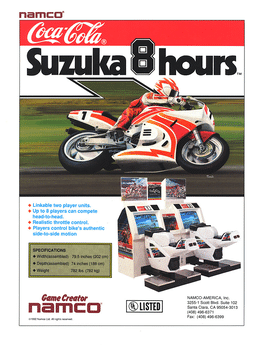
Home Alone for the Sega Master System is a game based on the 1990 Home Alone film. It is a different (but similar) game to the Mega Drive and Game Gear versions - the Master System version was developed by Probe and only released in Europe. It is also considered to be the slightly better game.Suzuka 8 Hours
1992
Dragon Slayer Gaiden: Nemuri no Oukan
1992
Dragon Slayer Gaiden: Nemuri no Oukan is a spin-off from Dragon Slayer series, developed by Agenda and published by Epoch for the Game Boy platform. The game was only released in Japan. Gameplay differs somewhat from the original Dragon Slayer in that there are now outdoors areas, as well as npcs that send you on specific quests. Combat is still real-time, but a new attack button brings the game closer to other action-rpgs like Zelda.Ground Effects
1992
Ground Effects
1992
A Formula 1 racing game. The only difference between both versions is the cabinet. For Super Ground Effects the player can sit down in the cabinet.King's Quest V: Absence Makes The Heart Go Yonder!
1992
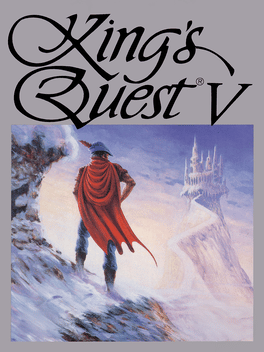
A stripped down version of the PC game of the same name. Changes include severely reduced visual fidelity, the removal of any voice acting, along with heavy censorship due to Nintendo of America's strict guidelines.Pit-Fighter
1992
Prince of Persia
1992
Sion II
1992
Sion II
1992
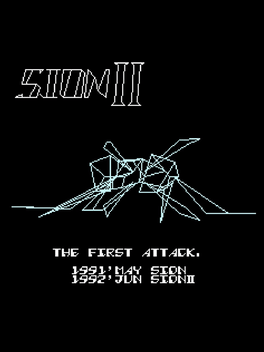
Innovative polygonal 3D action game. Distributed in the June 1992 issue of Oh! X magazine.The Blues Brothers
1992
The Blues Brothers
1992
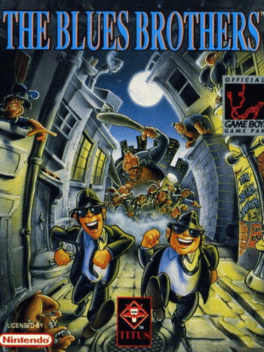
The Blues Brothers is a platform game based on the band The Blues Brothers, where the object is to evade police and other vigilantes to get to a blues concert. The characters have the ability to pick up boxes to throw them at enemies. Each level is a variation on the jumping theme, with the characters finding a necessary attribute (e.g. a guitar) somewhere in the level. The sixth and final level ends on-stage. The game's soundtrack consists of music from the movie. Dimitris Yerasimos composed the music for all versions of the game except for the Game Boy, where Thorsten Mitschele composed the music.Ferrari Grand Prix Challenge
1992
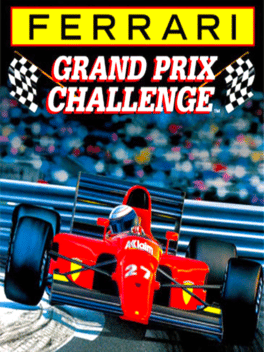
The Nintendo Entertainment System version of the game is a simplified version that allows players to practice up to six laps or qualify for every Formula One race of the season using metric units (kilometres per hour instead of miles per hour). It was one of the few 8-bit Formula One video games to adequately represent the Circuit Gilles Villeneuve as having an urban background along with several other urban race tracks represented in the 1992 Formula One season. Tire wear is possible resulting in trips to the pit crew for maintenance and repairs. A radio allows communication with the crew chief; he will advise whether repairs are necessary. The top speed of the vehicle is 325 kilometres per hour and turbo is not used in the game. Before the first qualifying session can take place, the player must insert his name and his nationality. The name can be up to 10 characters long and the country has to fit into a three-character field. Since the game doesn't verify if the three-letter code matches up to a real nationalitGateway
1992
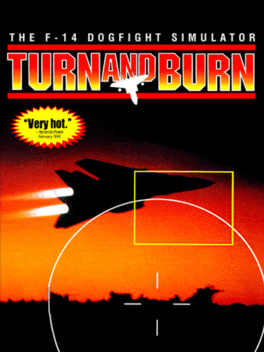
Turn and Burn: The F-14 Dogfight Simulator
1992
star 5.5Turn and Burn: The F-14 Dogfight Simulator is a Simulation game, developed by Imagineering Inc and published by Absolute Entertainment, which was released in 1992.Phantom Air Mission
1992
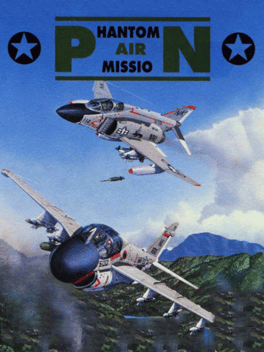
Phantom Air Mission
1992
Scramble into the cockpit of the only combat jet fighter game on Game Boy! The Navy F-14 Tomcat, a hero of the Persian Gulf War, soars to new heights in this first-person aerial assault simulator. * Fully instrumented control panels! * HUD for enemy targeting; radar and landing displays for smooth navigation! * Complete 360 rotation! * Wing-mounted 50mm cannons; AIM-54 air-to-air missiles; ECM system to confuse oncoming warheads! * Dynamic aircraft carrier takeoff and landing; in-flight refueling!Jack Nicklaus Golf
1992
Jack Nicklaus Golf
1992
star 5.3The biggest name in golf brings you the most realistic and feature-backed golf simulation ever! Play on two of Jack Nicklaus' favorite courses or design an unlimited number of your own. One to four players can compete on beginner and expert levels. You control every detail of the action. The password feature even lets your take a break. If you're ready to play against the best, JACK NICKLAUS GOLF is your game!NBA All-Star Challenge 2
1992
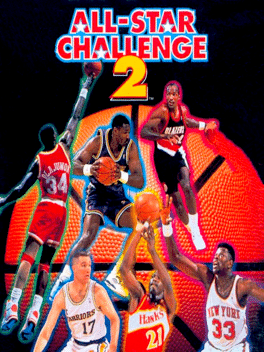
star 2.3NBA All-Star Challenge 2 is a Sports game, developed by Beam Software and published by Acclaim Japan, which was released in 1992.