New Mac Games - Page 246

Championship Wrestling
1986
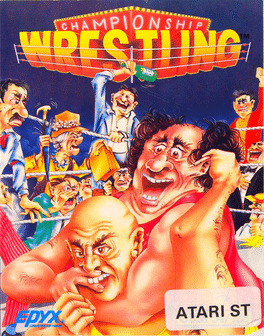
CHAMPIONSHIP WRESTLING And now we proudly present the Sultan of Slam. The Champs of Chokes. The meanest, nastiest, foulest fighters the canvas has ever seen. We bring you the guys who use every dirty trick known to man. And a few that aren't. Take on any eight rowdy wrestlers, each with his own individual style when it comes to busting heads. From K.C. Colossus, whose "trash computer" turns victims into waste matter, to Prince Vicious, who gets a crush on every opponent. Use leg drops, spin kicks, body slams, rope bouncing, a flying drop kick, a suplex, an airspin, even the famous atomic drop to mangle those dudes. You'll need over 200 stitches if you don't. The crowd will cheer. They'll boo. They'll egg you on, or simply throw eggs instead. The scoring is based on the complexity of your moves and of course, your strength. And one day, probably long after your poor battered head resembles an over-cooked cabbage, you'll be good enough to win the title. And the coveted 'Championship Wrestling Belt' willWorld Games
1986
World Games
1986
Apple IIGS Commodore C64/128/MAX ZX Spectrum Wii Atari ST/STE DOS Amiga Apple II Amstrad CPC Sega Master System/Mark III MSXstar 7.7World Games is an Olympics-style sports game with arcade-oriented gameplay. The events players can compete in include: •Barrel jumping •Bull riding •Caber toss •Cliff diving •Log rolling •Platform diving •Pole vault •Skiing •Sumo wrestling •WeightliftingGBA Championship Basketball: Two-on-Two
1986
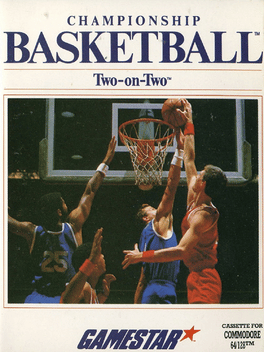
GBA Championship Basketball: Two-on-Two is a basketball game released on multiple early home computers.Champion Kendo
1986
Champion Kendo
1986
Champion Kendo is a simplistic kendou game built for the SG-1000 and MSX. It was only released in Japan.Double Dribble
1986
Double Dribble
1986
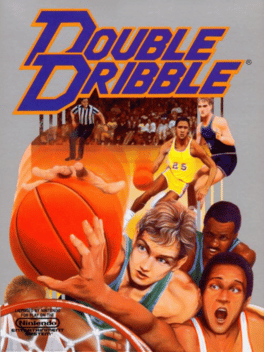
star 7.6Double Dribble was the second basketball arcade game developed and released in 1986 by Konami, following Super Basketball. Much of the game's popularity came from its animation sequences showing basketball players performing slam dunks, as well as The Star-Spangled Banner theme during attract mode, which was the first arcade game to feature the national anthem. These were uncommon in video games at the time of Double Dribble's release. While successful in the arcades, the game became and remained popular and remembered when it was ported to the Nintendo Entertainment System in 1987.10th Frame
1986
10th Frame
1986
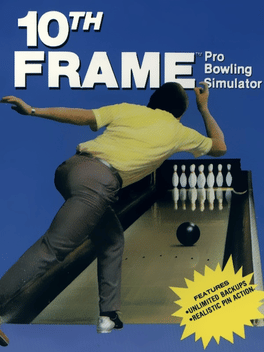
A bowling game simulation for up to 8 players. You can play an Open Bowling mode or a League mode and try several game difficulties. Except for an old graphics, the game is still enjoyable for one or more bowling players.World Class Track Meet
1986
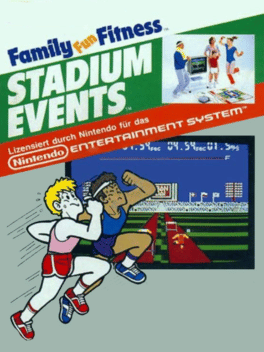
star 5.9Stadium Events/World Class Track Meet is a video game for the Nintendo Entertainment System that was first released in Japan in 1986 as Running Stadium. In America, the game was released in 1987 as Stadium Events, and then in 1988, it was rereleased as World Class Track Meet. The players compete against a runner in the Tournament Mode, and in 4 events for a total score in the Olympic Mode. The top 6 winners' names and their scores will appear on the electronic billboard. It uses the Family Fun Fitness Control Mat.Pro Yakyuu Family Stadium
1986
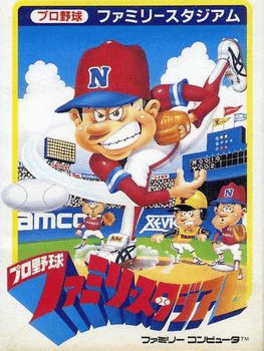
The first of the Pro Yakyuu Family baseball series. The game became the first console game of its kind to be licensed by the Major League Baseball Players Association (MLBPA) and used actual MLB player names, unlike other baseball video games of the late 1980s.Vs. Volleyball
1986
Dunk Shot
1986
Athletic World
1986
Athletic World
1986
Athletic World can be regarded as the precursor to popular titles such as Nintendo Fit and Dance Dance Revolution, which utilize pad sensors to track the player's movement. Athletic World was developed by Bandai in 1986, and released for the Nintendo System using the Family Fun Fitness pad. It was marketed as a fun way to engage in exercise and physical fitness. The game was originally released in a box that featured the Family Fun Fitness logo. When Nintendo later purchased the rights to the FFF pad, the game was re-released with a different label-featuring the Athletic World name. This has made the original release a collector's item, and fairly rare.Winter Events
1986
Winter Events
1986
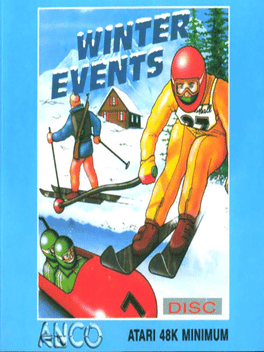
Winter Events is a multi-sport event game heavily influenced by the classic Winter Games. The game allows you and three other friends to select a country before competing in six Olympic events which are Biathlon, Slalom Skiing, Ski Jumping, Speed Skating, Bobsleigh and Downhill Skiing (Downhill Skiing not on Atari 8-Bit).Volleyball
1986
Volleyball
1986
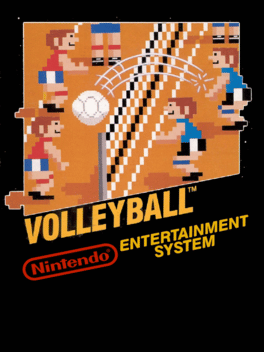
star 4.9Volleyball is one of the fastest team games around, and this NES classic recreates the speedy sport in a way that anyone can play.Gokuaku Doumei Dump Matsumoto
1986
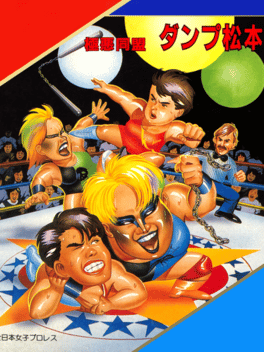
Gokuaku Doumei Dump Matsumoto is a Sega Master System professional wrestling game developed by Sega R&D 2 and published by Sega. It is inspired by the 1986 arcade game Dump Matsumoto (localised as Body Slam), with both inspired by Zen Nihon Joshi ProWres (全日本女子プロレス; also known as All Japan Women's Pro-Wrestling (AJW)); Japan's female professional wrestling league which was very popular in the late 1980s. It features the heel stable Gokuaku Domei, led by Dump Matsumoto, and its feud with the Crush Gals (known here as the "Fresh Gals"). Gokuaku Doumei Dump Matsumoto would be used as the basis for the overseas Master System game, Pro Wrestling.Attack Four Volleyball
1986
Attack Four is a fast-paced, four-man lady volleyball game. The human player plays as Japan, against either USSR, USA or China. All the basic rules of volleyball are implemented, but few moves are available. The graphics are plain but with humourous animations such as players being thrown back when receiving the ball.Summer Games
1986
Summer Games
1986
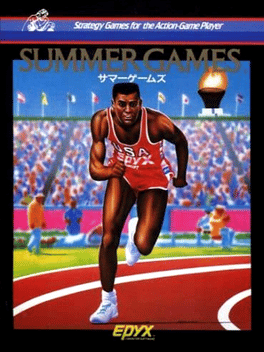
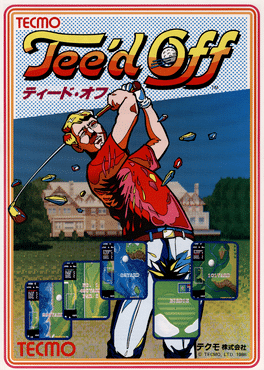
The PC-88 port of "Summer Games". Summer Games allows up to eight players to compete in a series of summer themed Olympic events. The gameplay is similar to the other entries in Epyx "games" series. Each player can choose a country to represent, and then takes turns competing in various events to see who will win the gold medal! The game allows you to compete in all of the events sequentially, choose a few events, choose just one event, or practice an event. The events available vary slightly depending on the platform, and may include: - Pole vault - Platform diving - 4x400 meter relay - 100 meter dash - Gymnastics - Freestyle swimming - Skeet shooting - 100 meter freestyle - RowingTee'd Off
1986
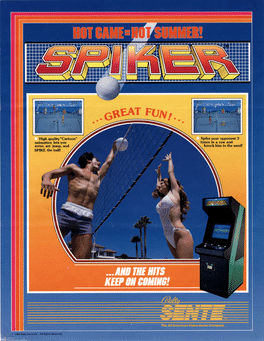
Spiker
1986
Clash-Road
1986
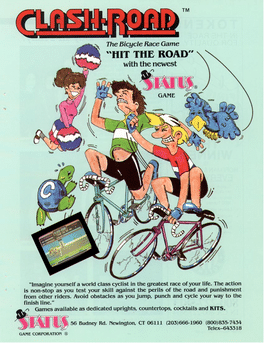
Clash-Road
1986
Race your bicycle, avoid/jump over obstacles, collect bonus objects, punch opponents.