New Games - Page 12385

Super ACiD Block Attack
1998
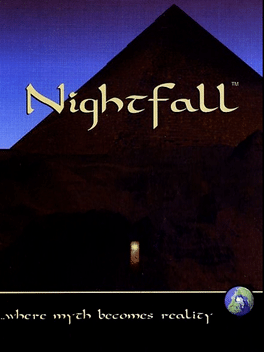
Super ACiD Block Attack is a puzzle game, probably one you have seen before. The idea is to try and make solid-horizontal rows using the pieces that are given to you. You can rotate the pieces before they fall down to the bottom of the screen. You can make more than 1 row at a time, but only up to five.Nightfall
1998
A2 Racer II
1998
A2 Racer II
1998
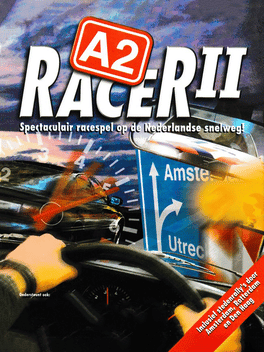
A2 Racer II again allows you to race on the well known Dutch A-2 highway. But also race tracks have been set out through 3 major Dutch cities: Amsterdam, Rotterdam and Den Haag (the Hague). Like in the original you join illegal street races. There are six stages in the game. The first stage takes place in Amsterdam, the second on the A-2 towards Den Haag, the third in Den Haag itself, the fourth on the road to Rotterdam, the fifth in Rotterdam, and the last from Rotterdam past Utrecht back to Amsterdam. Each city has been carefully recreated in a completely new and improved 3D engine. Racing is made difficult by the police who try to block you by setting up blockades or pushing you off the road. Each time you get caught you get a ticket and lose time. With the third ticket you are out of the race. The game doesn't have a visible damage system, but if you get into too severe a crash you are also out of the race.Lodoss-tou Senki: Eiyuu Kishiden GB
1998
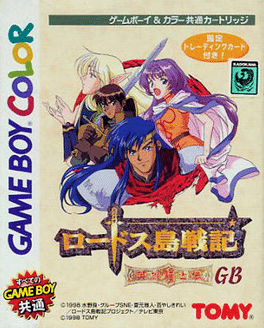
A boardgame for Game Boy Color based on the Record of Lodoss War series.Earth 2140: Mission Pack 1
1998
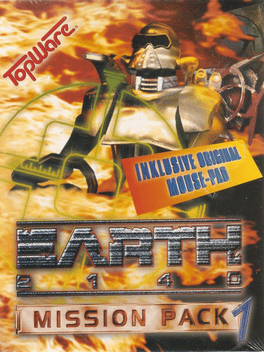
This is the first of two expansion packs for the real-time strategy game Earth 2140. It contains two new campaigns and 20 new multiplayer maps.Gemstone IV
1998
Gemstone IV
1998
Gemstone IV is a text-based online roleplaying game developed by Simutronics and launched in November 2003. It is the fourth iteration of the on-going Gemstone series.Konami Arcade Classics
1998
star 8Konami 80's Arcade Gallery is a compilation of arcade video games, originally released to Japanese arcades in 1998. It was later ported to the PlayStation in 1999, which was also released in North America as Konami Arcade Classics.PC Fútbol Selección Española '98
1998
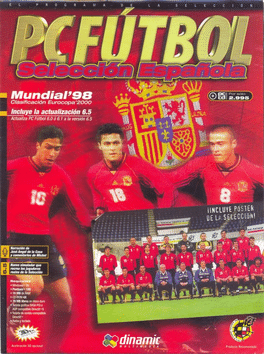
Dinamic's famous saga also have an own game dedicated to the 98's World Cup celebrated in France. The first thing that claims your attention of the game is the data base, a great compilation of all competition international players and coaches, and also, all the stadiums where the matches will be disputed.Total Soccer
1998
Simon the Sorcerer's Puzzle Pack
1998
Simon the Sorcerer's Puzzle Pack is a collection of small puzzle games that go around the Simon the Sorcerer's theme. Jumble - A new type of sliding tile puzzle - rearrange the pieces in a constantly changing animation!Godzilla
1998
Lords of Magic: Legends of Urak
1998
star 6This expansion contains 5 new quests where Earth, Fire, and Death each have a unique quest while Order has two quests. The quests themselves revolves around various fables and stories not connected to the main plot.Downhill Challenge
1998
Dark Reign: The Future of War - Battles of the Outer Rim
1998
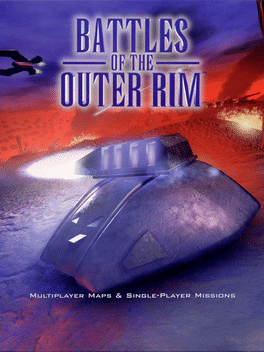
Battles of the Outer Rim is an unofficial add-on pack to Dark Reign: The Future of War which includes: – 6 single-player missions (one for the Freedom Guard and Imperium, the other four lets the player command the Togran). – 79 multi-player maps. – Searchable map browser that shows information and a mini-review of each multi-player map.Juggernaut: The New Story For Quake II
1998
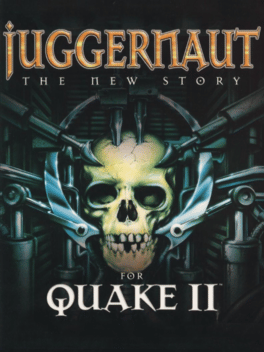
Some time in the future, refugees from earth have gone to colonize Callisto and Europa, both moons of Jupiter. The settlers on Callisto, called the Callistans, ran bio-genetic research programs in order to better adapt the planet. However the experiments went wrong and the Callistans were turned into horrible monsters who are now trying to invade Europa and eradicate their population. You are a settler on Europa and it's your mission to stop them. This Quake II conversion comes with 13 new single-player levels, hundreds of new textures and sounds. Also included are 5 new monsters and 2 all-new deadly weapons, the EMP Rifle and the Blade Gun.Gravity Angels Part 1: Alien Discovery
1998
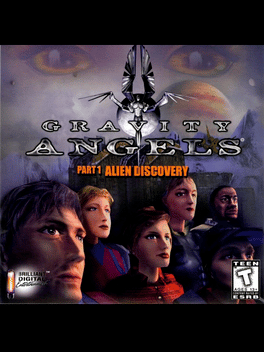
Gravity Angels Part 1: Alien Discovery is one game in a series of Multipath Movies(TM) by Brilliant Digital Entertainment. These games are pure interactive movies that display a movie that allows for the player to select among multiple paths at opportune junctures of the storyline. In that way, the game is a "choose your own adventure" movie. Unlike other games of the interactive movie genre, which generally display the movie bits using pre-rendered full motion video, this game renders 3D models of the movie in real time. The science fiction story of this movie/game follows a group of employees of the interplanetary mining corporation Miller-Western. For a variety of disciplinary reasons, the employees are sent to the Jupiter moon of Ganymede which used to have a thriving osmium-mining operation but is now just a dumping ground for problematic employees who assault their bosses or engineer faulty equipment because they were drunk. No one on the base is to be trusted, everyone is hiding a bevy of secrets and to makMorpheus
1998
Morpheus
1998
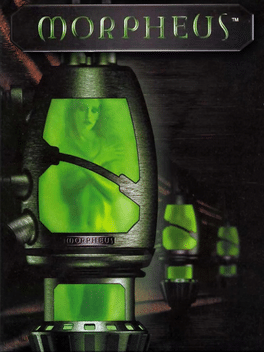
Morpheus is a point-and-click adventure game about a stranded explorer who stumbles across the abandoned ship Herculania, which is haunted by its long-gone passengers.Genetic Species
1998
Genetic Species
1998
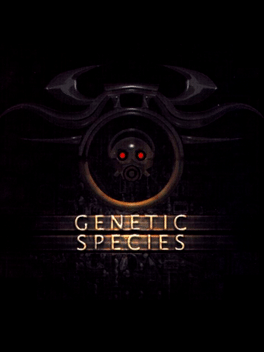
One of the last commercial games released for the Amiga. This FPS takes place in a futuristic setting and has a body-possession mechanic.