New Games - Page 12416

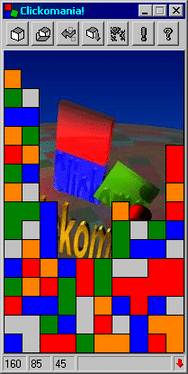
Clickomania!
1998
MediEvil
1998
MediEvil
1998
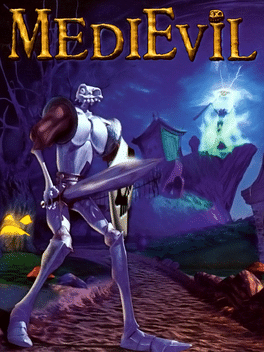
star 7.7MediEvil is an action-adventure game developed by SCE Cambridge Studio and published by Sony Computer Entertainment. Originally released in 1998 for the PlayStation, the game follows Sir Daniel Fortesque, a skeletal knight accidentally resurrected to battle the sorcerer Zarok and save the kingdom of Gallowmere. The game takes place across a variety of levels, many of which require certain objectives to be performed to progress. Sir Daniel Fortesque can use a variety of weapons, consisting of close range weapons such as swords and clubs to long range weapons such as crossbows. Many of these weapons can be charged for a powerful attack and some weapons, such as the club, can be used to access areas that are otherwise inaccessible. When not possessing any items, Dan is able to rip his own arm off and use it for both melee and ranged attacks. Dan can equip a shield alongside weapons to defend against attacks; though they can only take several hits of damage before breaking. Throughout the game, Dan can visit gargoyleCentre Court Tennis
1998
Centre Court Tennis
1998
Centre Court Tennis is a tennis game that does not take itself too seriously. After creating your Lego-like character, you are set to go. The basic game features a multiplayer mode (up to 4 players), a tournament mode and an exhibition mode. You also have four mini-games, "Tennis Court Bingo", "Burning Barrels", "Run and Gun" & Knock'em Down", where your goal is to hit certain objects in the tennis field. You can win special prices for getting enough points.Nihon Pro Mahjong Renmei Kounin: Honkaku Pro Mahjong: Shin Tetsuman
1998
Nippon Pro Mahjong Renmei Kounin: Shin Tetsuman is a Mahjong board game, developed by Chat Noir and published by Naxat Soft, which was released in Japan in 1998.Silent Mobius: Case - Titanic
1998
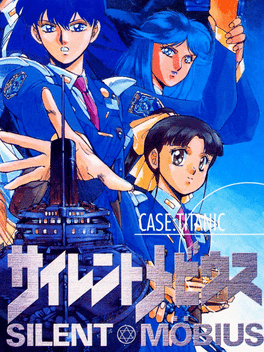
Silent Mobius: Case - Titanic is a port of Silent Mobius for PlayStation. It is published by Gainax, and was released in Japan in 1998.Pia Carrot he Youkoso!! 2
1998
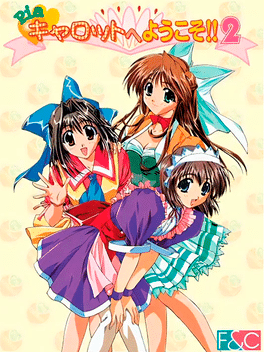
The dreamcast port of Pia Carrot he Youkoso!! 2 was released without any adult content.Kidou Senshi Gundam: Giren no Yabou - Kouryaku Shireisho
1998
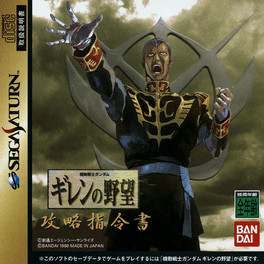
Kidou Senshi Gundam: Gihren no Yabou - Kouryaku Shireisho is an update to Kidou Senshi Gundam: Gihren no Yabou. It is an "append disc" (also known as an expansion), thus relies on a copy of Gihren no Yabou to function.Barrage
1998
Barrage
1998
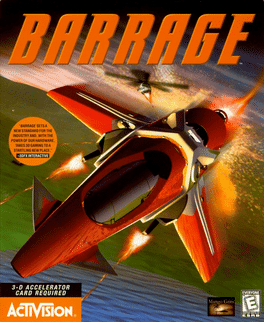
Barrage is a semi-futuristic shooter which gives you control of a powerful hovercraft and pits you against hordes of faceless enemies, all with the goal of blowing everything up before the time limit runs out.Test Drive 5
1998
Test Drive 5
1998
star 7.2Hear the roar of engines and smell the burnt rubber as you step up to take the challenge of Test Drive 5. Race on 18 different tracks in locations such as Moscow, Honolulu, Tokyo and the winding streets of San Francisco. The interesting twist is that the courses are reversible giving you an total of 31 driving combinations. Add that to 40 cars including classics such as the Dodge Viper, Shelby Series 1, Jaguar XKR, Saleen S351, Chevrolet Corvette, Ford Mustang, and the Plymouth Hemi Barracuda among other super-charged and secret cars that will melt the asphalt beneath your tires.Romance of the Three Kingdoms VI: Awakening of the Dragon
1998
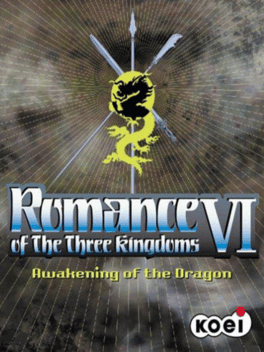
Romance of the Three Kingdoms VI: (Sangokushi VI in Japan) is the sixth game in Koei's Romance of the Three Kingdoms series. Romance of the Three Kingdoms VI follows in the tradition of its predecessors with an emphasis of world domination and management of an established empire. Continuing in a seasoned ancient Chinese setting, characters and units are taken from other Romance of the Three Kingdoms titles and placed in the palm of your hand. Your overall objective is to destroy rival lands and create a continent wide empire.Axis & Allies
1998
Axis & Allies
1998
Axis & Allies is an adaptation of the Risk-like board game centred around World War II.The Abyss: Incident at Europa
1998
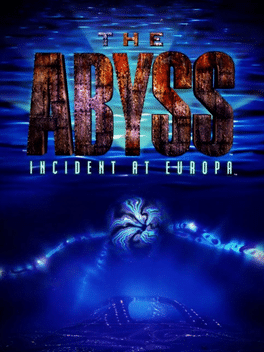
The Abyss: Incident at Europa is a first person shooter for the PC that is a based on and is a chronological sequel to James Cameron's "The Abyss".Total Drivin
1998
Total Drivin
1998
Total Drivin is a racing game with five different classes of cars (4x4 Buggies, Dakar Rally, Sports, Indy and Rally) in six different locations (Moscow, Easter Island, Scotland, Hong Kong, Egypt and Switzerland). Each location has six different tracks to master with a total of 36 tracks. The different tracks actually are variations of the same track only slightly different. For example drive with different car type, reverse direction, ramps added or safety rails removed, different weather conditions etc. You can choose to drive with 1 of 8 different teams, each with different driving behaviour, providing 40 cars in total. There is multiplayer for 2 to 4 players, using split-screen and a link cable. The game also features typical 1990's rave music. When your car rolls over the game will turn you right side up again, but if your car drives into water or falls into lava the game instantly ends.Richman 4
1998
Richman 4
1998
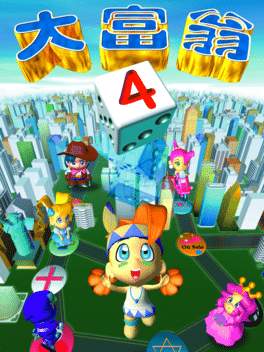
Richman 4 is the fourth main installment in the Richman series, developed and published by Softstar Entertainment. It's a classic computer board game in which players earn money by luck (dicing) and strategy (buying land and buying cards) to defeat other players.Quake: The Offering
1998
Quake: The Offering
1998
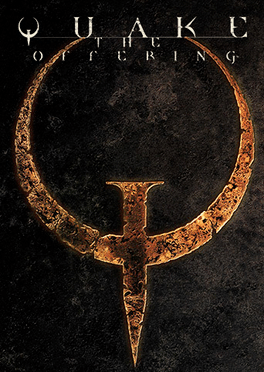
Quake enthusiasts and the uninitiated alike will revel in the ultimate adrenaline fix with the Quake: The Offering game pack. This specially boxed collection features one of the best-selling PC games of all time, Quake, bundled with the two award-winning official id Software Quake Mission Packs -- Scourge of Armagon and Dissolution of Eternity.Doom City
1998
Lode Runner 2
1998
Lode Runner 2
1998
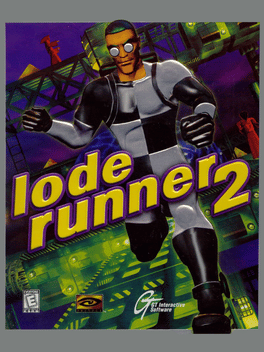
Lode Runner 2 is a sequel to the original Lode Runner and its remakes. The game is played in isometric view unlike its predecessors.Pajama Sam 2: Thunder and Lightning Aren't so Frightening
1998
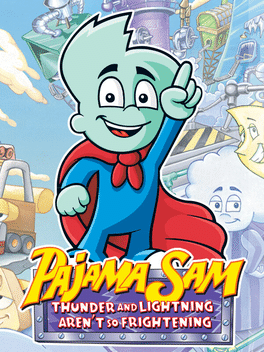
star 8Join Pajama Sam, the world's youngest superhero as he journeys to World Wide Weather, the storm-stirring factory in the sky! Sam's spent on to many evenings cowering under the couch, so he sets out to conquest his fear of thunderstorms. Just as our little guy begins to learn that storms aren't as bad as they seem, Sam accidentally send the weather system into a frenzy. Now, there is snow in Saigon, and sunshine in Seattle! He'll need your child's help to explore this wonderful world filled with challenging puzzles, fun games, and fantastic new friends as they help Thunder and Lightning fix the broken machines and return the world's weather to normal before Mother Nature finds out!101 Easy-Peasy Things to Do With Your Computer
1998
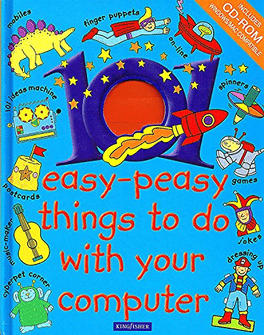
This full-colour activity book and CD-ROM package has been designed for children aged four and over. Onscreen activities include a cyberpet to design and play with, a movie-maker to create simple animations, and themed treasure hunts to create. Key Features include free clip art and clip sounds and print-and-play activities which include finger puppets, dressing up, mobiles and party kids, and links to suitable Internet sites.Efficus: Kono Omoi wo Kimi ni...
1998
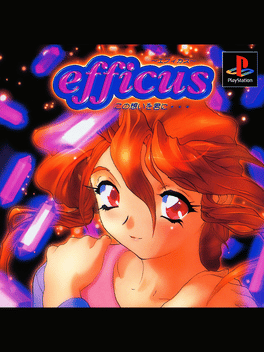
Efficus - Kono Omoi wo Kimi ni... is a dating simulation by Genki that is based on a school social standing, such as who you hand around with and when. Its time is based by a monthly calendar and as the months go by you will be able to advance your social standing with different women, including 2 different teachers at your school.