New Games - Page 12463

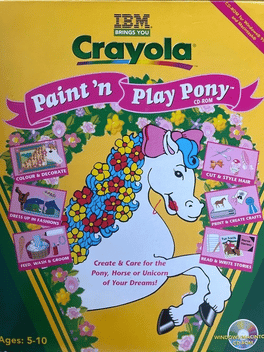
Crayola Paint 'n Play Pony
1998
Create and Care for the Virtual Pony, Horse or Unicorn of Your Dreams! (Ages 5 - 10) Learn all about horses as you color, decorate, and dress their own horses, ponies, or unicorns! Tons of Creative Activities: Color with 48 Crayola colors. Decorate with pretty accessories such as flowers and bows. Dress your pony in over 100 fashions. Learn fun facts about horses and ponies!Super Live Stadium
1998
Super Live Stadium
1998
Super Live Stadium is a baseball game developed by Squaresoft in 1998. The game features a funny sense of humour (like when your character is out, etc), and some game modes like championship, and different vs modes (against another human player or against the computer), all of them with good graphics and different times of the day (day or night).Sonic PC
1998
Sonic PC
1998
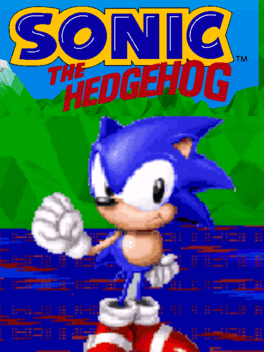
Sonic PC is a fan game developed and released by Physik Multimedia in 1998, packed in with Sonic Klik & Play Collection. The game is currently only available in Sonic Klik & Play Collection, as the original game has yet to be found. It uses 32-bit conversion images of sprites from Sonic the Hedgehog CD and Sonic the Hedgehog 2, instead of the original 16-bit sprites.Direct-X
1998
Bust-A-Move 3 DX
1998
Léto s Oskarem
1998
Léto s Oskarem
1998
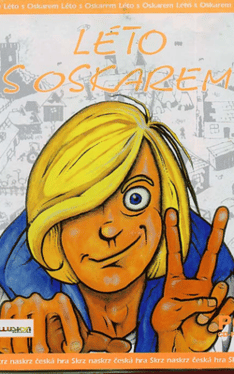
Léto s Oskarem is a 1998 Czech adventure game authored by Pavel Širůček and distributed by Vochozka Trading.Sequence Palladium
1998
Sequence Palladium
1998
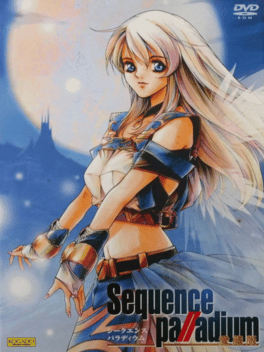
Released in 1998, Sequence Palladium is a fantasy mecha strategy RPG for Windows PC. The game follows a three part flow: starting with story events that into selecting a scenario which you then play out on the battle map and then continue to new story events. Mechs in Sequence Palladium (called Wizards in game) require a knight and para-sweet (spirits) to form a contract to pilot. A significant portion of character management in Sequence Palladium is nurturing the relationships between knights and para-sweets, and selecting optimal pairs. Combat is fought from a top down perspective, with an alternating player and enemy phase. All units are moved at once.Heart of Evil
1998
Heart of Evil
1998
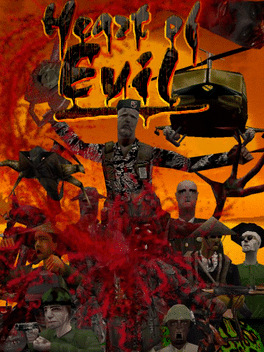
Heart of Evil is a Single Player Half-Life mod that accurately and sensitively depicts the American ‘experience’ in Vietnam, right down to the laces on the zombies boots.Humpty's Scramble
1998
Humpty's Scramble
1998
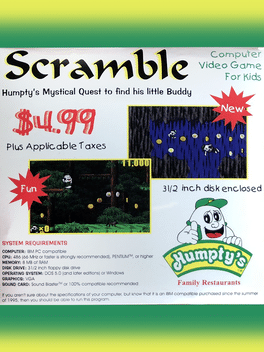
This game was made to promote the western-Canadian family restaurant chain "Humpty's" and their Kids' Club. In this 1998 DOS platformer, Humpty must rescue his little buddy Hammlet from an evil wizard by traversing various areas including a forest, a marine cave, a mountain, and a maze-like castle. The game was sold and distributed for free at certain locations. Despite having a rather limited release, it impressively touted pre-rendered 3D visuals and a first-person 3d maze in its final area.Boovie
1998
Neo Geo Cup '98 Plus
1998
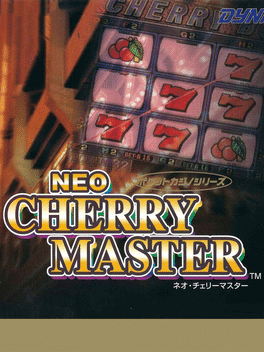
Neo Cherry Master
1998
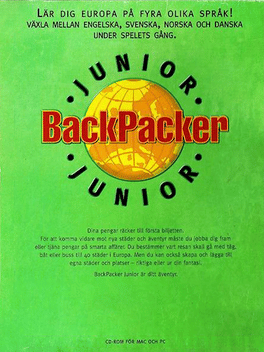
BackPacker Junior
1998
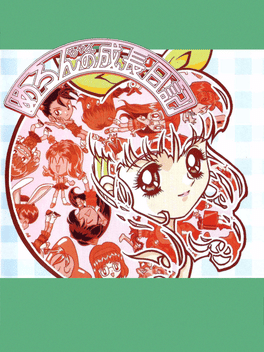
Melon Chan's Growth Diary
1998
Melon Chan's Growth Diary (Japan: Melon-chan no Seichouki) is a Life simulation game it is comparable to Tamagotchi and other virtual life simulations. In Melon Chan's Growth Diary the player raises and nurtures little girl Melon Chan. The games was only released in Japan and was one of the earliest titles released for the Neo Geo Pocket. The game was released for the Neo Geo Pocket and features monochrome graphics; however the Neo Geo Pocket Color is backwards compatible with the game.Pocket Tennis
1998
Pocket Tennis
1998
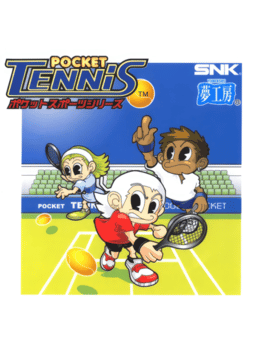
Pocket Tennis a simple tennis game with two play modes: Exhibition and Tournament. Exhibition is a single match against computer or human opponent (requires link cable). There do exist eight player characters with different skills (human player must select one of those eight characters too) and four (five in the color version) different courts. Also amount of sets per game can be selected (1, 3 or 5). Tournament is only against computer. Human player can pick his/her character but not the computer opponent. Also selection of courts and amount of sets is missing. Three games will be played: quarter and semifinals and of course the final.Spawn: The Eternal
1998
Spawn: The Eternal
1998
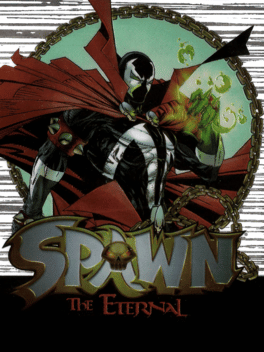
star 3Spawn: The Eternal is based on Todd McFarlane's Spawn comics. The game switches back and forth between two styles of play. There's an exploration mode, which is along the lines of Tomb Raider. Spawn must climb and jump his way through a variety of environmental obstacles while smashing crates and furniture to find power-ups. When you approach an enemy, however, the engine switches into something between a 3D fighting game and an old-fashioned side-scrolling beat-em-up. Spawn must defeat one or more enemies, who may be surrounding him before he can continue.Wrecking Crew '98
1998
Wrecking Crew '98
1998
star 4.9Wrecking Crew '98 is a Japan-only puzzle video game released for the Super Famicom. It is the sequel to the Nintendo Entertainment System game Wrecking Crew. The game takes on a more competitive approach, featuring puzzle-versus elements akin to games like Tetris and Puyo Puyo. Such additions include chain reactions, as well as attacks unleashed into the opponent's play area upon successfully clearing lines.