New Games - Page 12645

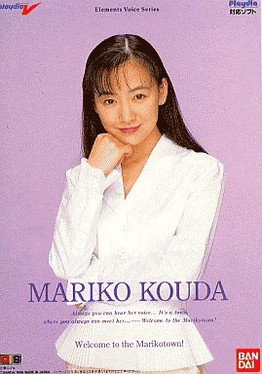
Elements Voice Series Vol.5 Mariko Kouda: Welcome to the Marikotown!
1996
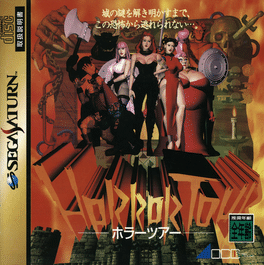
Elements Voice Series vol.5: Mariko Kouda - Welcome to the Marikotown! (エレメントボイスシリーズ(5) 國府田 マリ子 〜Welcome to the Marikotown!〜) is a CD-ROM-based title for the Playdia console, featuring full motion video of Japanese pop idol Mariko Kouda (國府田 マリ子).Horror Tour
1996
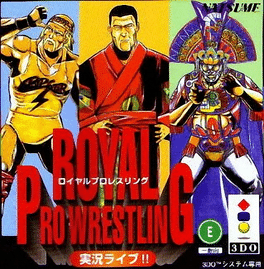
Royal Pro Wrestling: Jikkyou Live!!
1996
With over 30 pro wrestlers available to choose, Natsume brings the most action packed wrestling experience ever to the 3DO with Royal Pro Wrestling!Expert
1996
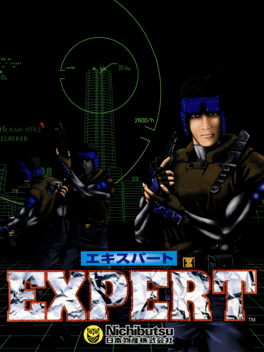
Expert
1996
Uncover the truth of the incident that struck the intelligent building that has been occupied by the terrorists as a member of the "Expert" Special Forces! 3D gun shooting game that captures the action in a first person perspective. Explore the building freely, but be careful and take out the enemy before they take you out!Os Man
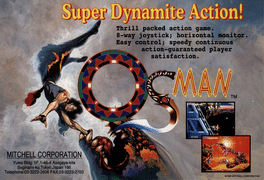
1996
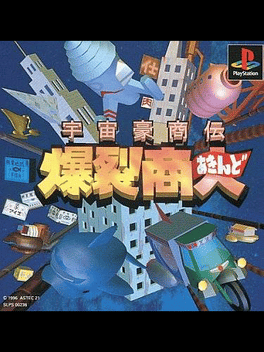
Uchuu Goushouden: Bakuretsu Akindo
1996
Bakuretsu Akindo Uchuu Goushouden is a sugoroku board game (Japanese backgammon) that takes its players to the universe. Gameplay offers a high degree of freedom. Player can choose to make money slowly by taking up ordinary jobs, or take a risk and make a fortune at one stroke.Athena no Kateiban: Family Games
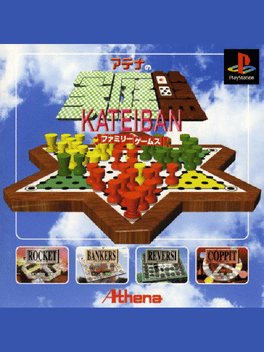
1996
Variety game collection was recorded board game of nostalgia. I record five sugoroku like to play using the board that mimics of Othello-like "Reversi", the luster of diamond "King Diamond", hat up game "Kopit", "rocket", the Game of Life-style of "Bankers". Can be simultaneously play up to four people maximum. Let Moriagaro in the good old game a long time ago!Sotsugyou Ryokou
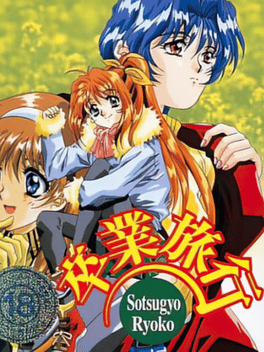
1996
Battle Arena Toshinden
1996
Battle Arena Toshinden was ported to the Game Boy by Takara in 1996, titled Nettou Toshinden in Japan. The game is based mostly on the original PlayStation version, but it includes a slightly altered story mode and an early appearance of the character Uranus and the Battle Arena Toshinden 2 version of Gaia (without his armor).Dezaemon BS-X Version: Sugoi STG!! Jintai
1996
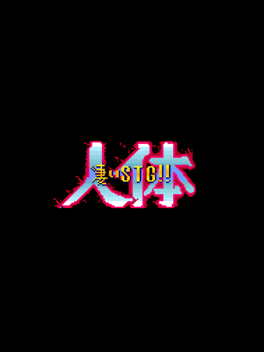
Dezaemon BS-X Version: Sugoi STG is a game made with Dezaemon and released for the Satellaview.Penny Racers
1996
Penny Racers
1996
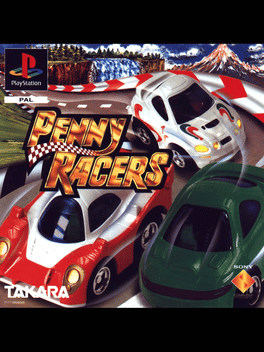
Penny Racers (released as Choro Q in Japan) is a 1996 racing video game developed by Tamsoft and published by Takara for the PlayStation. Sony Computer Entertainment released the game in PAL regions. The game features cars based on Takara's line of miniature Choro Q / Penny Racers toys, and was the first game based on Choro Q released outside Japan since Taito's 1984 title on MSX. Screech along tarmac raceways, slide around icy corners in the winter sections, or skid around dirt tracks in the rally courses. Squished up versions of real-life cars plus a split screen mode for frantic two player road duels.My Best Friends: St. Andrew Jogakuin Hen
1996
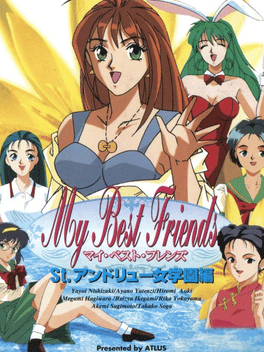
My Best Friends: St. Andrew Jogakuen Hen is a Puzzle game, developed by ISCO and published by Atlus, which was released in Japan in 1996.Shinpi no Sekai El-Hazard
1996
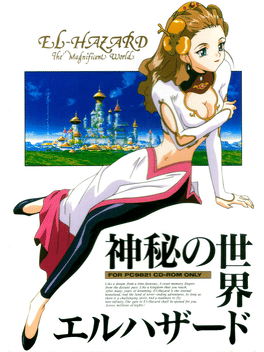
Shinpi no Sekai: El-Hazard is based off of an anime with the same title. The game plays like an enhanced visual novel which is fully voice-acted and displays protagonist and other characters on the screen during dialogues. Event scenes and animations are quite common, and character poses depicting their current disposition is displayed in portrait images which are also animated. Unlike typical visual novels where the player is limited to dialogue and choices, players can explore various locations on the map and try to perform actions outside the dialogue window, such as initiating a talk to other characters, or look around the area or go someplace else.Suiko Enbu Fuunsaiki
1996
Suiko Enbu Fuunsaiki
1996
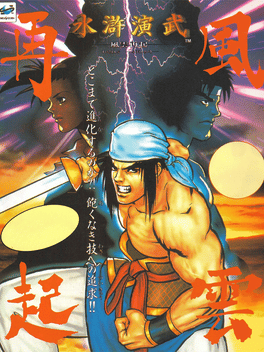
An enhanced port of Suiko Enbu (aka, Dark Legend) exclusively upgraded for the Saturn. The game is a one-on-one 2D fighting set in medieval China and based around the myths of the classic "Shuihuzhuan" Chinese story. As usual for a beat 'em up, gameplay consists of you selecting your champion from a group of 14 fighters and clashing against each other using your specific moves and attacks. Additionally, each character fights with his own unique weapon, but depending on how much you block your weapon can break and you must finish the fight barehanded and using a different moveset and generally faster (but less powerful) attacks. This enhanced port features three additional speed settings and refined balance between each fighter, two all new characters (plus the main boss as a selectable fighter) a brand new intro and new backgrounds. Features single-player or two-player vs gameplay.3-D Tetris
1996
3-D Tetris
1996
3-D Tetris is a video game released for the Virtual Boy in 1996. A Japanese version was planned, to be called Polygo Block, but production of games was ceased due to lack of interest in the Virtual Boy system. This was the last game released on the Virtual Boy. The mesmerizing force of Tetris returns with virtual style! This thrilling animated puzzler takes dexterity and split-second timing to the extreme with dimensional blocks and challenging planes. 3-D Tetris propels players at a demanding pace where quick response and strategy rule. Tetris devotees of all levels will crave this latest sensation of brain-teasing fun!Madou Monogatari I
1996
Madou Monogatari I
1996
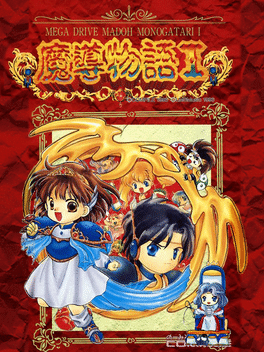
The first game (story-wise) in the Madou Monogatari series, in which 6-year-old Arle Nadja must scale a dangerous tower. The Mega Drive remake was the last official Mega Drive game to be released in Japan.Tanjou: Debut Pure
1996
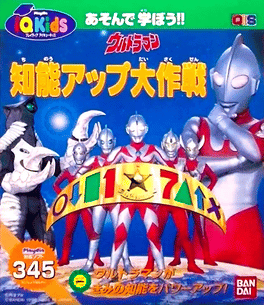
Ultraman: Ultraman Chinou UP Dai Sakusen
1996
Ultraman: Intelligence Upgrade Mission (ウルトラマン ~知能アップ大作戦~) is a CD-ROM-based edutainment title for the Playdia console.Ultraman: Suuji de Asobou Ultra Land
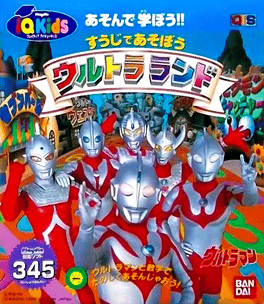
1996
Ultraman: Let's Play with Numbers in Ultraland (ウルトラマン ~すうじであそぼう ウルトラランド~) is a CD-ROM-based edutainment title for the Playdia console.[1]