New Games - Page 12841

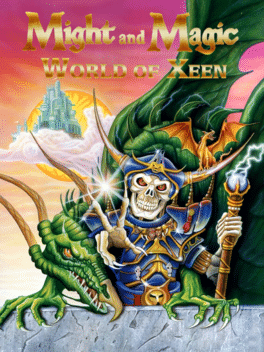
Might and Magic: World of Xeen
1994
Enter the land of Xeen, a mythical place ruled by two villainous overlords. Solve many quests and puzzles as you attempt to unravel the secrets of the World of Xeen. This special version of the game is really two games (Clouds of Xeen and Darkside of Xeen) rolled into one, with two differences: One, your characters are able to travel from one game to the other, doubling the size of the world available for exploration. Two, CD-ROM technology has made possible the use of digitized speech in all places that call for it.Rocko's Modern Life: Spunky's Dangerous Day
1994
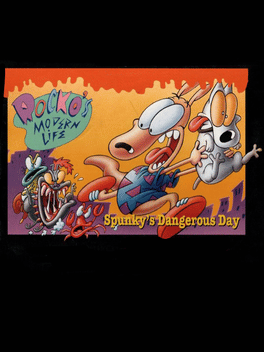
star 5Rocko's Modern Life is a side-scrolling action game where the player takes control of the Nickelodeon character, Rocko, as they travel through three different stages (Rock-O-Whey Beach, Hill-O-Stench garbage dump, and Laundryland) trying to protect his beloved dog Spunky from the various dangers throughout the stages. As Rocko travels through the stage, he has to perform various tasks to keep Spunky out of danger such as tossing him above onto safer platforms, moving objects to break his fall or fight off various enemies that want to harm him.Popful Mail: Magical Fantasy Adventure
1994
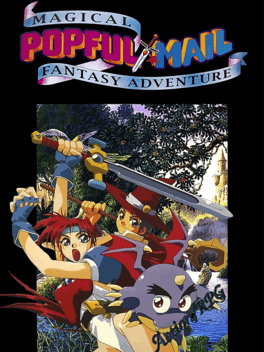
star 7.3Kazyr, Necros, Ulgar. Ghosts from the past that nearly once destroyed Popful Mail's world. Now, the Black Seal is about to be broken so they can return to wreak havoc on the world once again. Three ragtag adventurers become the only hope of stopping the second coming of Evil. Play as Mail, tomboy bounty-hunter wannabe who's handy with a blade, Tatt, the ultra-polite apprentice magician with a deadly staff, or Gaw, a winged blue blob with breath of fire, as you search for the manicial Muttonhead, who holds all the answers. During your quest, change characters at any time! You'll need to, because Nuts Cracker and the minions of Evil will stop at nothing to end your party before it starts! And, thanks to the storage power of CD, Popful Mail comes alive with over 2.5 hours of spoken dialogue and 20 minutes of heart-pounding animation. Face it, your butt's gonna be glued to the couch till the credits roll!Aero the Acro-Bat 2
1994
Aero the Acro-Bat 2
1994
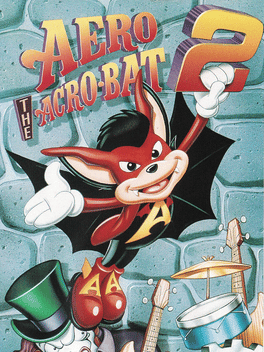
star 8.2In the sequel to Aero the Acro-Bat you have to defeat evil industrialist Edgar Ektor once again. He is back and again with bad ideas, so you - in the role of Aero - have to find and destroy him before he carries out his diabolical "Plan B". Like in the last installment, you have to jump, escape lethal obstacles and progress in time. This game features more moves for Aero, more mechanisms to use and more items to collect.The Horde
1994
The Horde
1994
star 7.9The Horde is a hybrid action-strategy video game that was originally released for 3DO and was ported to the Sega Saturn and DOS. It also featured full-motion video sequences featuring a number of actors including Kirk Cameron as Chauncey and Michael Gregory as Kronus Maelor. Video sequences were reduced to slide shows (with full sound) in some versions. The game was bundled with the RealMagic MPEG playback card as a demonstration of the card's abilities to play back full-motion MPEG video via the card's hardware decoder, at the time software MPEG decoding was not viable due to the lack of processing power in contemporary processors. The music was composed by Burke Trieschmann and won Computer Gaming World's Premiere Award for Best Musical Score in 1994.Dragon Ball Z: Buyuu Retsuden
1994
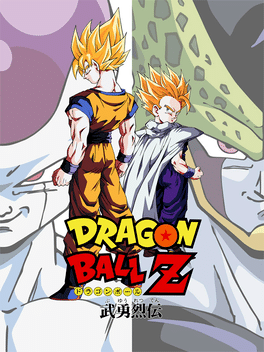
star 6.1Dragon Ball Z: Buyu Retsuden is a fighting video game based upon Akira Toriyama's Dragon Ball franchise. It is the only game in the series released for the Mega Drive, following the Frieza and Cell sagas. Its gameplay has been described as a combination of the original Super Butōden and Super Butōden 2, consisting of one-on-one fights using a three-button configuration, featuring special moves and two playable modes.Welcome to Bodyland
1994
Welcome to Bodyland
1994
A theme park where every ride teaches something new about the human body. Take an adventure through the body! There's never been an amusement park quite like this before. Join Ricki, your tour guide, and her hilarious parrot companion, Hiccup, on an adventure through the Bodyland Theme Park. Fast-paced rides and challenging activities encourage kids to explore the park on their own and learn about the human body at the same time. For children aged 5-11 years.Mad News
1994
Esse mundo é um Colosso
1994
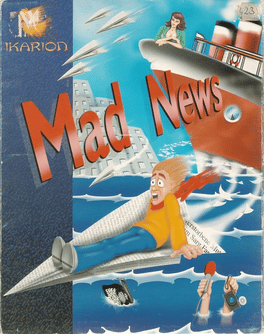
TV Colosso was a brazilian children TV Show from Rede Globo from 1993 to 1997. Editora Abril, in 1994, released a collection of illustrated books with this educative multimedia game as a gift. Travel the world with characters Priscila or Gilmar answering questions about the places you visit. Go for the best score!Family Feud
1994
Family Feud
1994
Family Feud Deluxe Edition for the 3DO system brings you over 4,000 new survey questions taken right from the hit television show. Play alone or with up to nine friends. Full motion video families battle against each other in the fully rendered Family Feud studio. After the host's digitized voice reads the answer, ring in to guess the top survey responses from people across the country.The Lost Vikings
1994
The Lost Vikings
1994
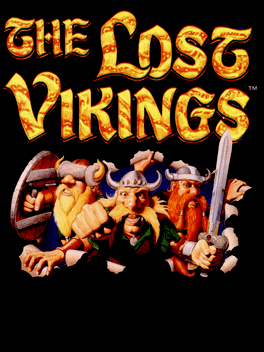
star 6.4The Mega Drive/Genesis version contains five stages not present in any other version of the game.Dharma Dojo
1994
Dharma Dojo
1994
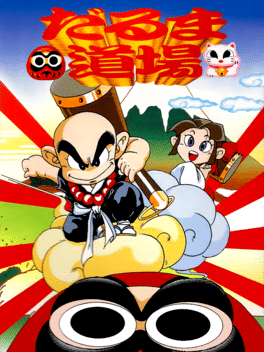
Dharma Dojo, or Daruma Dojo, is a puzzle game with stacks of blocks that the player bashes through to a gutter that collects the blocks at the bottom of the screen. By removing blocks of the same type, the player eliminates them. In the game's story, the daruma/dharma dolls and colored blocks are summoned by oni to terrorize the populace, and it's down to the player character (the player can choose from a male and a female character) to remove them. Dharma Dojo was released to the Arcade in 1994 and ported to the Super Famicom the following year.Pee & Gity
1994
Pee & Gity
1994
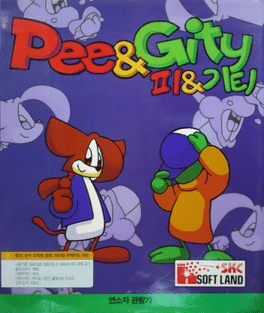
Family Production's most popular title by far - a beat-'em-up with cartoony characters.ESPN Golf: Lower Your Score with Tom Kite - Mental Messages
1994
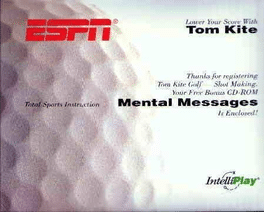
Lower Your Score with Tom Kite - Mental Messages is a Miscellaneous game, developed and published by Intellimedia, which was released in 1994.ESPN Let's Go Skiing
1994
ESPN Let's Go Skiing
1994
ESPN Let's Go Skiing is a Sports game, developed and published by Intelliplay, which was released in 1994.ESPN Step Aerobics
1994
ESPN Step Aerobics
1994
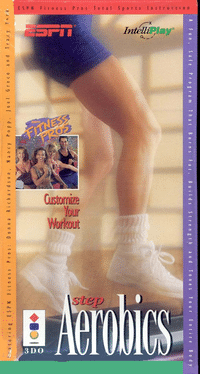
An exercise game for the 3DO. Players use the controllers and dance along with a video.ESPN Let's Play Soccer
1994
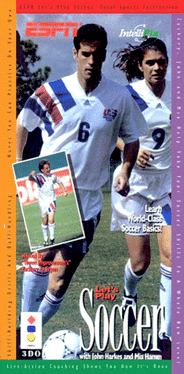
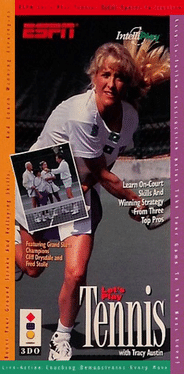
ESPN Let's Play Tennis is a Sports game, developed by Intellimedia and published by Intelliplay, which was released in 1994.ESPN Let's Play Tennis
1994
ESPN Let's Play Tennis is a Sports game, developed by Intellimedia and published by Intelliplay, which was released in 1994.Fray in Magical Adventure CD: Xak Gaiden
1994
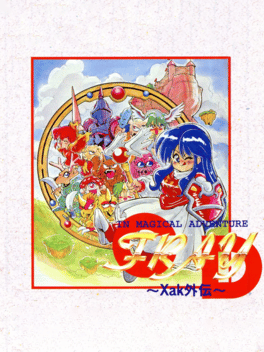
Fray in Magical Adventure CD: Xak Gaiden is an action role-playing game released for the PC Engine CD in 1994. It is a spin-off of the *Xak* series, starring the character Fray in a separate storyline. The game features overhead exploration, real-time combat, and animated cutscenes.Monster Maker: Yami no Ryuukishi
1994
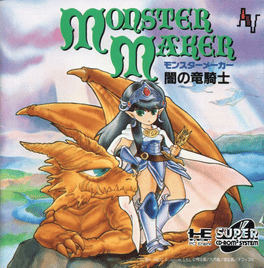
Yami no Ryūkishi is a Japanese-style role-playing game based on the setting and themes of the card game Monster Maker and its subsequent table RPG incarnation. The player takes control of a young girl named Raia, who finds out that she belongs to the race of half-elves. Blamed for attacks on her village, she is expelled from her homeland and sets off on a journey to find out the truth about her origins.