New Games - Page 12274

Mr. Tiny Adventures
1999
Mr. Tiny Adventures
1999
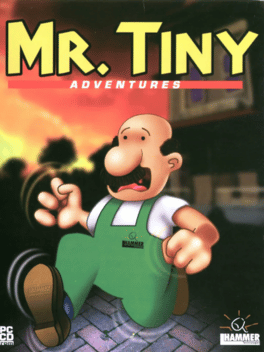
Mr Tiny is a single worker to whom the spell of a witch has caused him to become the size of an insect. Drag your 30 grams of weight through various scenarios, where any single and common object can be a deadly enemy. You need to finish 9 levels of the game to get all the talismans to help you break the spell of the witch and restore your normal size. Mr Tiny, the great lover of beer, is depending on you. Drive through large areas of the kitchen, the pipes, the garden, the street... till the witch house ( your neighbor) Avoid the enemies that come your way, You can kill them as well as jump over them like in other games. Move objects to access to different higher places, which before he had to crouch down to get to. See how you can change the life of a single person in an extreme situation.Kremling Krunch Game
1999
Crazy Counting
1999
Crazy Counting
1999
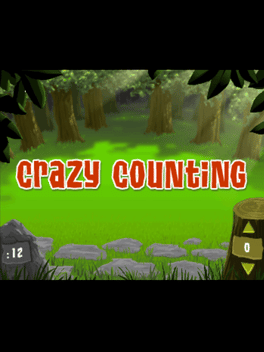
Crazy Counting was an Adobe Shockwave game published by Nintendo to promote the release of Mario Party 2 on the Nintendo 64.Dinky Rinky
1999
Dinky Rinky
1999
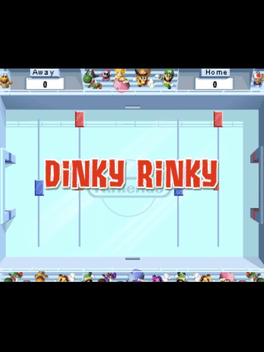
Dinky Rinky was an Adobe Shockwave game published by Nintendo to promote the release of Mario Party 2 on the Nintendo 64.Donkey Kong 64 Lore Quiz
1999
Donkey Kong 64 Lore Quiz was an Adobe Shockwave quiz game developed by Rare and published by Nintendo in order to promote the release of Donkey Kong 64 on the Nintendo 64.Donkey Konk
1999
Donkey Konk
1999
Donkey Konk was an online Donkey Kong 64-themed Shockwave game published for Camp Hyrule, also released on the official Donkey Kong 64 website.Goodness Rakes
1999
Goodness Rakes
1999
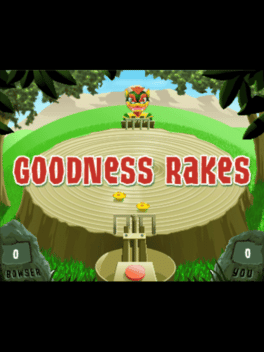
Goodness Rakes was an Adobe Shockwave game published by Nintendo to promote the release of Mario Party 2 on the Nintendo 64. It could be played on the official Mario Party 2 website, along with a selection of other Adobe Shockwave games. Its name is a pun on the phrase "for goodness sakes."Melon Mayhem
1999
Melon Mayhem
1999
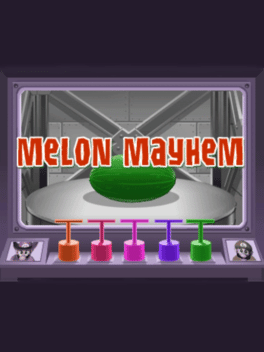
Melon Mayhem was a Nintendo published Adobe Shockwave game made to promote the release of Mario Party 2 on the Nintendo 64. It could be played from the official Mario Party 2 website.Nomiss
1999
Nomiss
1999
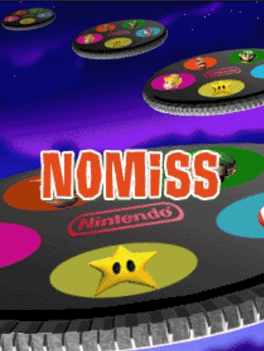
Nomiss was an online Nintendo-published Adobe Shockwave game made to promote the release of Mario Party 2 on the Nintendo 64. It was playable from the official Mario Party 2 website. The game shows what looks to be a flying saucer with 5 circles on top, reminiscent of the style of the Space Land board from Mario Party 2. The circles are colored orange, green, blue, yellow, and pink. These circles also have portraits of Donkey Kong, Luigi, Toad, a Star, and Princess Peach on their respectively-colored circles, and the Nintendo logo in the center.Zook Hero Z
1999
Zook Hero Z
1999
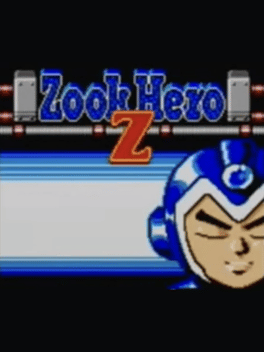
A bootleg game based on the Mega Man World series mixed with some traits from the Mega Man X series, developed for the Game Boy Color. Made by a company called "Vast Fame". The Rockman DX6 and Rockman DX6 title hacks were done by "Li Cheng".Pikari Walk
1999
The Inquisition: Legacy
1999
A free, multiplayer Multi-Used Dungeon (MUD) revolving around medieval religious oppression and the fight against magic in a fantasy world. The Holy Order is the dominant faith of the Kingdom of Lithmore and guides its followers with an iron grip. Experience a vast city filled with secrets. Craft and personalize hundreds of items. Engage in storylines, relationships and conflict with other players and staff-run plots. Cast fantastic spells in five different magical elements, or oppose magic through organised religion. Explore a setting 25 years in the making!Guru-guru Garakutas
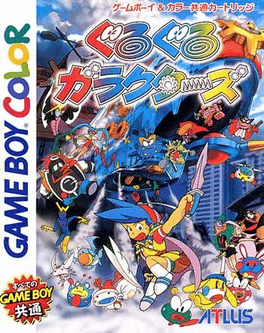
1999
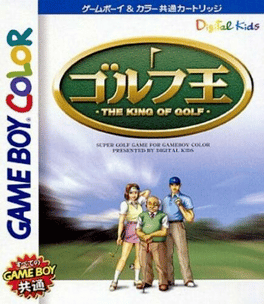
The King of Golf
1999
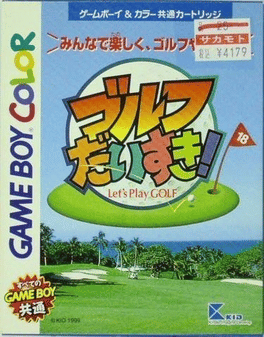
Golf Daisuki!
1999
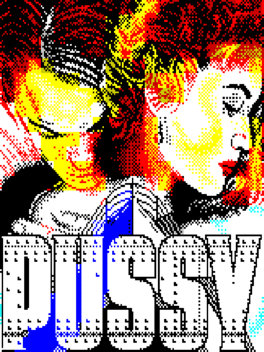
Pussy: Love Story from Titanic
1999
Pussy: Love Story from Titanic is a single player game which contains platform and falling brick puzzle solving elements. Gameplay is similar to the game Popils. The story behind the game is that Leonardo won a ticket to travel on the Titanic's maiden voyage. There he met the girl of his dreams, Kate. However Kate was rich and Leonardo was poor and worse, a thief. Their love was forbidden. The game consists of a series of fifty puzzles in which the objective is to get Kate & Leonardo to meet. Kate is usually on top of a parapet or trapped behind a wall shouting 'Help' and the player must guide Leonardo to her. To solve these puzzles Leonardo can climb ladders and, with his mighty fist, he can smash bricks. Smashed bricks disappear and the bricks above them will fall down to take their place. Some bricks are hollow and cannot be smashed, others will explode. The game also features teleports, which the manual assures were a common feature on the original Titanic, enemies to deal with, and two lengthy platform sequImagynasium
1999
Imagynasium
1999
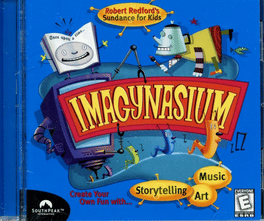
Welcome to Imagynasium - where art, music and storytelling are combined to give your child's brain a workout. Developed in conjunction with Robert Redford's Sundance Institute, Imagynasium lets kids flex their creative muscles. In The Curio Shop, they'll learn the secrets of storytelling. In Downtown, they'll discover the art of collage and create their own artistic designs. In Jingle Jungle, they'll learn to create beautiful music. Zany characters like Monda, Frida and Riff will guide them through the three unique worlds. And of course if your child gets stuck, there's always Spike, the tech guy, ready to lend a hand. Cool tools help kids create projects, store their creative ideas, and keep track of their progress. Plus, each area has a hidden surprise that puts their new skills to the test.