New Games - Page 12308

SNK vs. Capcom Card Fighters' Clash - Capcom Card Fighter's Version
1999
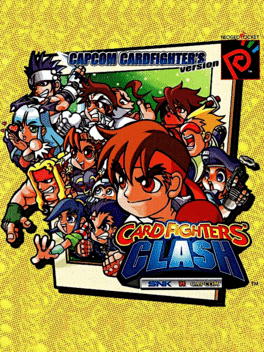
SNK vs. Capcom: Card Fighters' Clash, released in 1999 for the Neo Geo Pocket Color handheld console, was the first crossover between SNK and Capcom. Characters in the game are illustrated in the super deformed (chibi) art style. There are two complementary versions of the game: the SNK version and the Capcom version. Each version of the game has a different starting deck and different exclusive cards that can be obtained, but the gameplay remains the same, with card battles resembling a somewhat simplified version of Magic: The Gathering, in which a maximum of three fighters are allowed in each player's field at any given moment and there is no mana to be spent to place them in the field.Pokémon Gold Version
1999
Pokémon Gold Version
1999
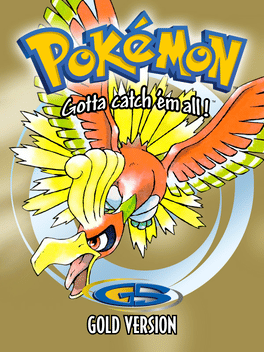
star 8.7Pokémon Gold, along with Pokémon Silver, are the sequels to Pokémon Red and Blue. They offer 100 new Pokémon to capture and train, 8 more Gyms to take on and a new Pokémon League challenge. Featuring an expanded post-game, Pokémon Gold and Silver additionally offer extra content from the previous entries in the series.Pokémon Silver Version
1999
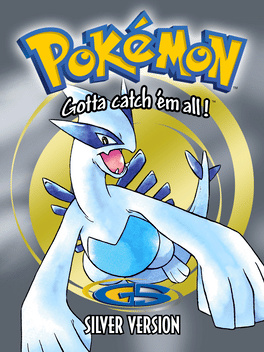
star 8.6Pokémon Silver, along with Pokémon Gold, are the sequels to Pokémon Red and Blue. They offer 100 new Pokémon to capture and train, 8 more Gyms to take on and a new Pokémon League challenge. Featuring an expanded post-game, Pokémon Gold and Silver additionally offer extra content from the previous entries in the series.A Nightmare on Elm Street: Son of a Hundred Maniacs Demake
1999
Play as Freddy and terrorize teenagers in their sleep.WinBack: Covert Operations
1999
star 6.4A terrorist group calling itself the Crying Lions is about to take over the world with its mighty satellite and Jean-Luc Cougar is the only one who can stop it. As Jean-Luc, a covert operative working for the Strategic Covert Actions Team, you are responsible for taking back a Lions-controlled base and regaining power of the satellite. Some of the weapons you'll have to acquire and use to defeat the terrorists are handguns, shotguns, and machine guns, though you'll also need to access such materials as explosives, detectors, flashlights and medical kits in order to succeed. A refreshing take on the traditional action game, WINBACK requires as much stealth and strategy as it does reflexes and use of weaponry. The game features six different multiplayer modes, supporting up to four players: Death Match, Lethal Tag, Quick Draw, Cube Hunt, Team Battle, and Point Match. You select your difficulty level and you can even start off in a Tutorial mode to get the controls down.Hype: The Time Quest
1999
Hype: The Time Quest
1999
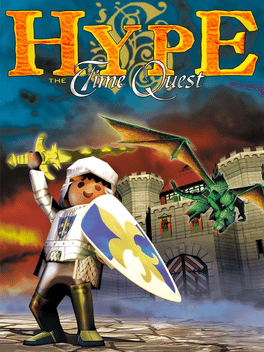
star 7Hype: The Time Quest is an adventure video game developed by Ubi Soft Montreal and published by Ubi Soft Entertainment. The game, released in the year 1999 along with Alex Builds His Farm (1999), is based on the medieval castle toy series from Playmobil. The U.S. version of the Game Boy Color version was supposed to be released in June 2000, but was delayed for over a year for some reason. The game revolves around Hype, a 22-year-old knight in the service of King Taskan IV, following a quest through time to return to his own era in order to save the kingdom from the evil black knight Barnak. The game was directed by Alain Tascan and featured thirty-two different voice actors, as well as original music by Robbi Finkel.Tina wa Seirei Tsukai
1999
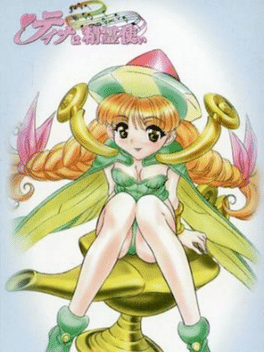
Rahel is a professional swordsman. He takes a job to hunt bandits since it's well paid and takes a female companion with him. He has to cooperate with the female group of bandit hunters "Arabian Knights".Neon Genesis Evangelion: Eva to Yukai na Nakamatachi - Datsui Hokan Keikaku!
1999
Shinseiki Evangelion: Eva to Yukai na Nakamatachi - Datsui Hokan Keikaku! is an Adventure game, developed and published by Gainax, which was released in Japan in 1999.Jeff Wayne's The War of the Worlds
1999
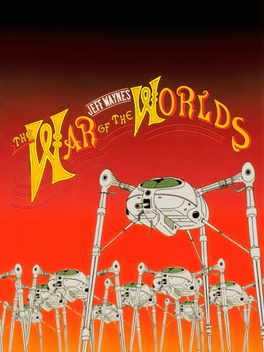
Jeff Wayne's The War of the Worlds is a third-person vehicular shooter for the PlayStation, released alongside the RTS for PC for the 100th anniversary of H.G. Wells' book War of the Worlds and 20th of Jeff Wayne's 1978 musical adaption.The Longest Journey
1999
The Longest Journey
1999
star 8.6The Longest Journey is an amazing graphical adventure, where the player controls the protagonist, April Ryan, on her journey between parallel universes. Embark on an exciting and original journey of discovery, where you will explore, solve puzzles, meet new people, face terrifying monsters, learn, grow, and live the adventure of a lifetime!Mobil 1 Rally Championship
1999
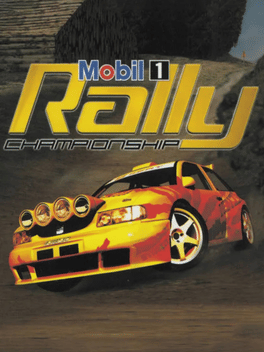
star 8.5Mobil 1 Rally Championship (officially called Mobil 1 British Rally Championship, unofficially nicknamed Rally Championship 2000) is a rally video game which is part of the Rally Championship series. The game was released for Windows and PlayStation on 31 December 1999. It is developed by Magnetic Fields and published by Actualize. The PC version is notable for the stages being based around real-life Ordnance Survey maps. Magnetic Fields exists no more. After the Network-Q RAC Rally Championship (1996), it is a sequel to the International Rally Championship (1997). It features 22 cars and 36 tracks, drivable in two directions: Simulation and Arcade.Click Manga: Ginga Eiyuu Densetsu 2
1999
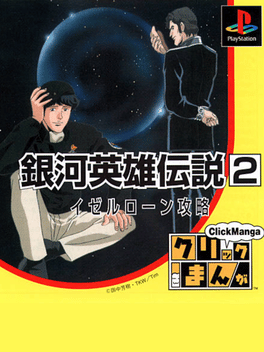
An interactive comic game based on the series in which the player can make advance the comic story clicking in it. The gameplay is that the player has to solve some puzzles or click with the pointer in a comic book scene to advance to the next scene. This game continues the story of the first game in the series.Saikyou Todai Shogi 2
1999
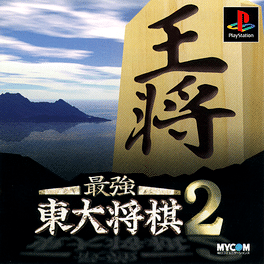
Saikyou Todai Shogi 2 is a shogi game that features different difficulty levels, different game modes (vs, training, tournament, etc.), etc. The game features also an auto mode in which the player can watch and learn how to play watching the different computer movements.Simple 1500 Series Vol. 19: The Sugoroku
1999
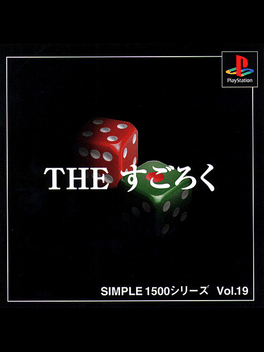
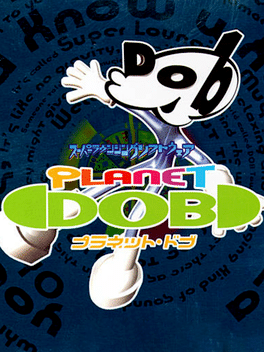
Simple 1500 Series vol.019 The Suguroku is a board game based on the Sugoroku game, the game features different boards and can be played by up to 4 human players at the same time. Sugoroku is a game with which you can step one block by one from start to the end of various stories using a dice.Planet DOB
1999
Dragon Knights Glorious
1999
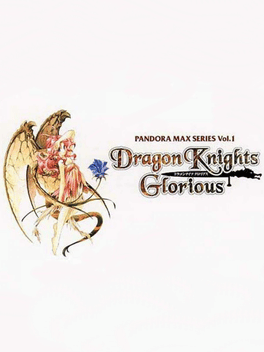
Pandora Max Series Vol. 1: Dragon Knights Glorious is a RPG developed and published by Pandora Box, which was released in Japan in 1999Fun! Fun! Pingu
1999
Fun! Fun! Pingu
1999
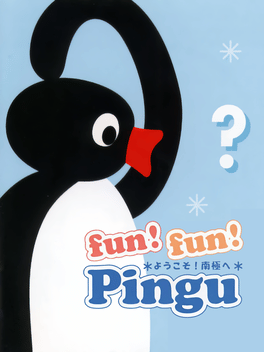
'Fun! Fun! Pingu' is a Japanese PlayStation title based on the children's animation series 'Pingu'. The game follows Pingu in his escapades based on different episodes of the show, as he finds and picks up different items and talks with different citizens of Antartica. Alongside the release, various Pingu-branded PSX merchandise like controllers and memory cards were made.Sanyo Pachinko Paradise 2: Umi Monogatari Special
1999
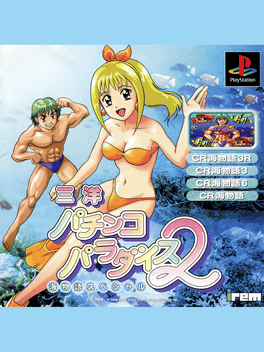
Pachinko Paradise 2 is the second title in Irem's long-running pachinko simulation series. It features reproductions of four pachinko machines made by Sanyo Bussan: CR Umi Monogatari 3R, CR Umi Monogatari 3, CR Umi Monogatari 6, and CR Umi Monogatari. There are two modes available: Tsūjō (Normal) mode allows the player to modify a wide range of settings for each machine, while Jissen (Battle) mode challenges the player to win as many balls as possible on the default settings with a limited starting pool and time limit. There is also a View mode where the various animations that play on the in-game display can be freely viewed. Unlike the previous title, there is no story mode.Surf Riders
1999
Surf Riders
1999
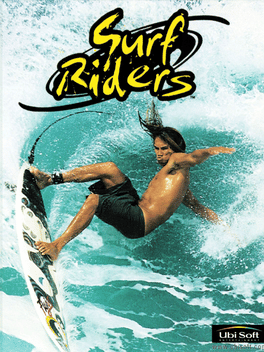
Surf Riders features two modes including the Free Play and World Challenge Cup. In the Free Play mode, you can practice skills without a time limit; this will give novice players ample time to learn control layouts and combinations. The World Challenge Cup mode is for all the marbles -- the championship. A round in this mode consists of three heats: the qualifying, semifinal and final. Each heat has four computer-controlled competitors. You must place either first or second in order to advance to the next heat. In addition to supporting the Dual Shock Analog Controller for analog controls and vibration, Surf Riders uses a memory card to save game progress. Additionally, it features a soundtrack composed of surf-rock bands including Los Straitjackets, The Aquamen and Pollo Del Mar.